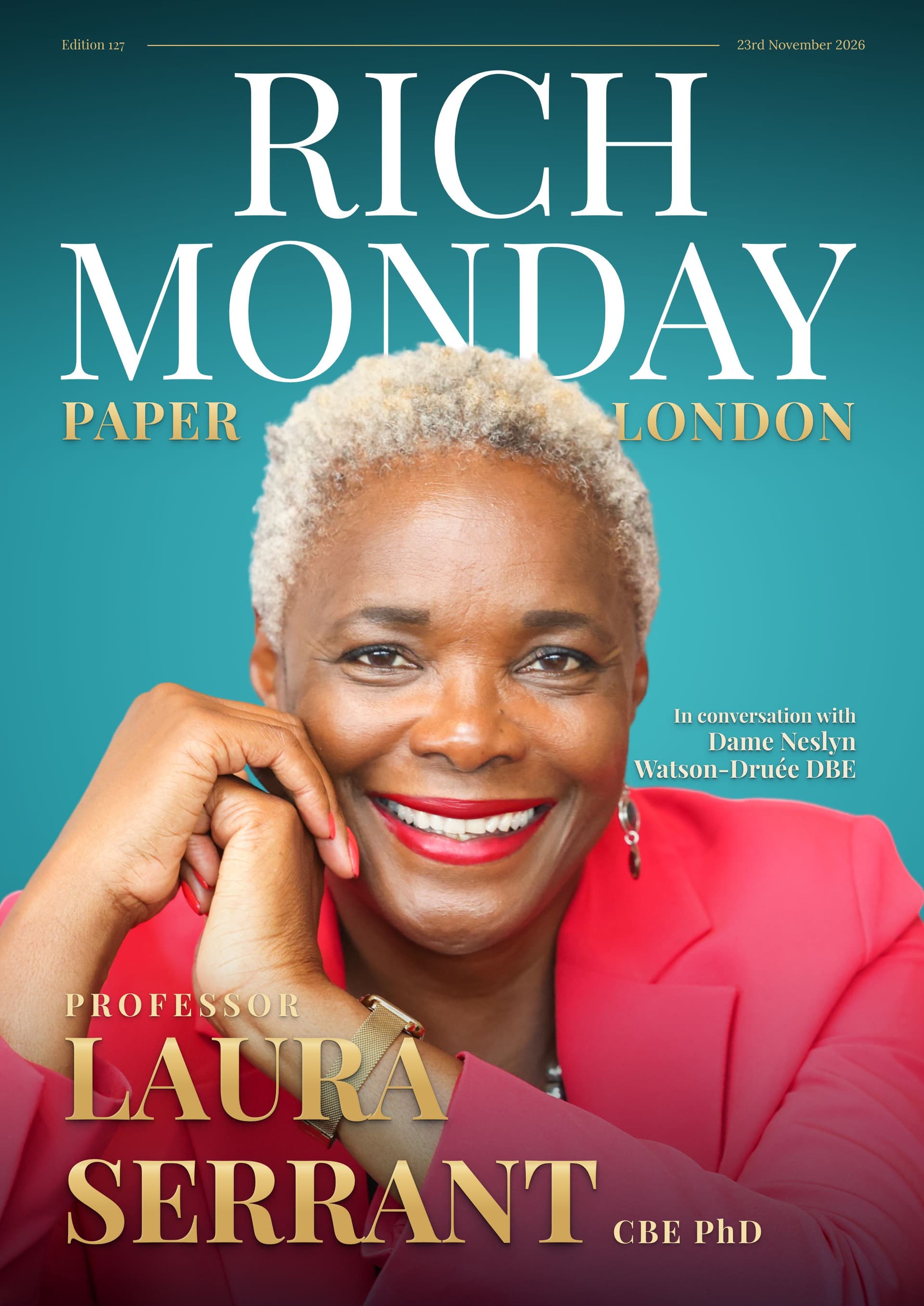
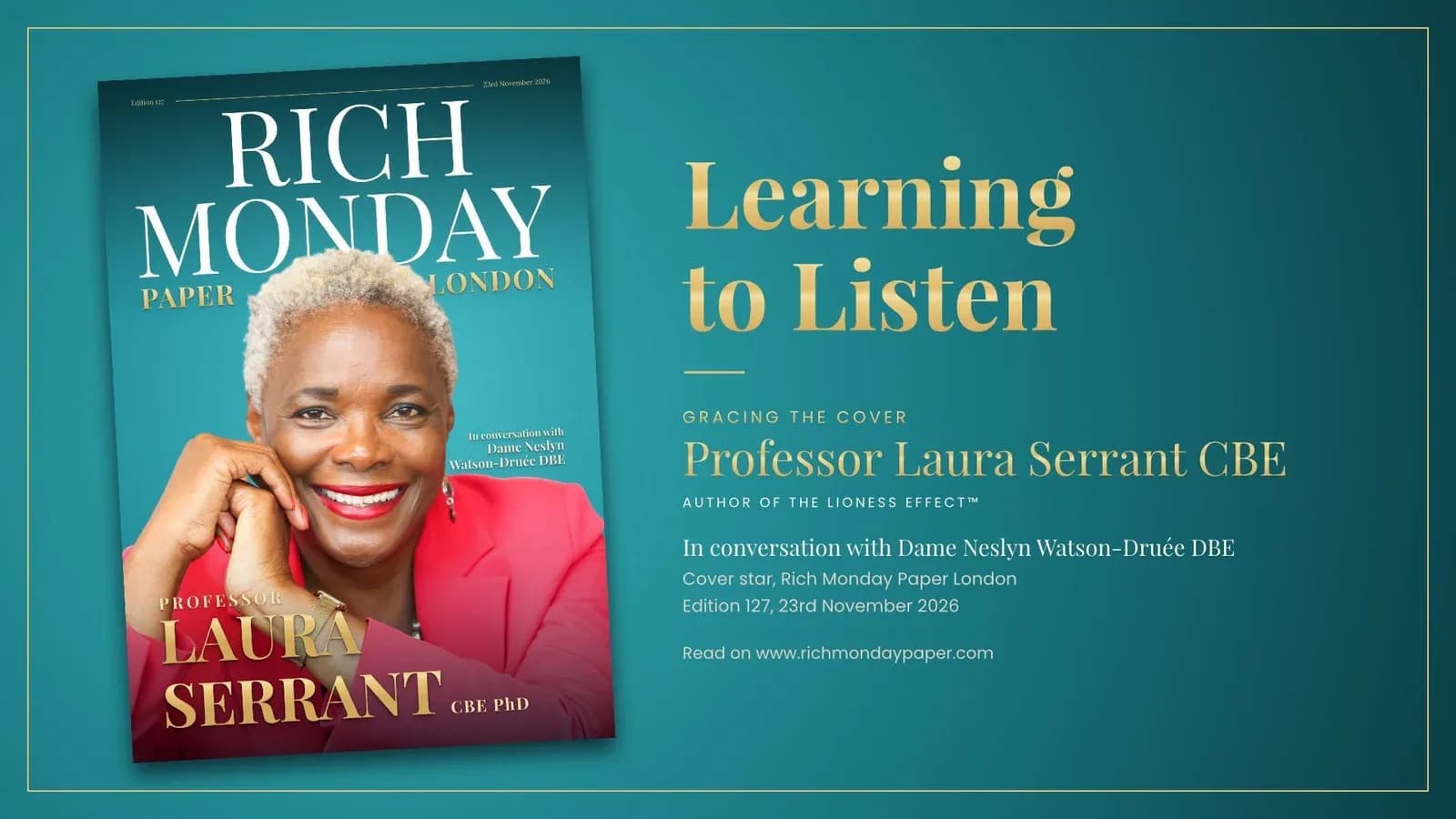
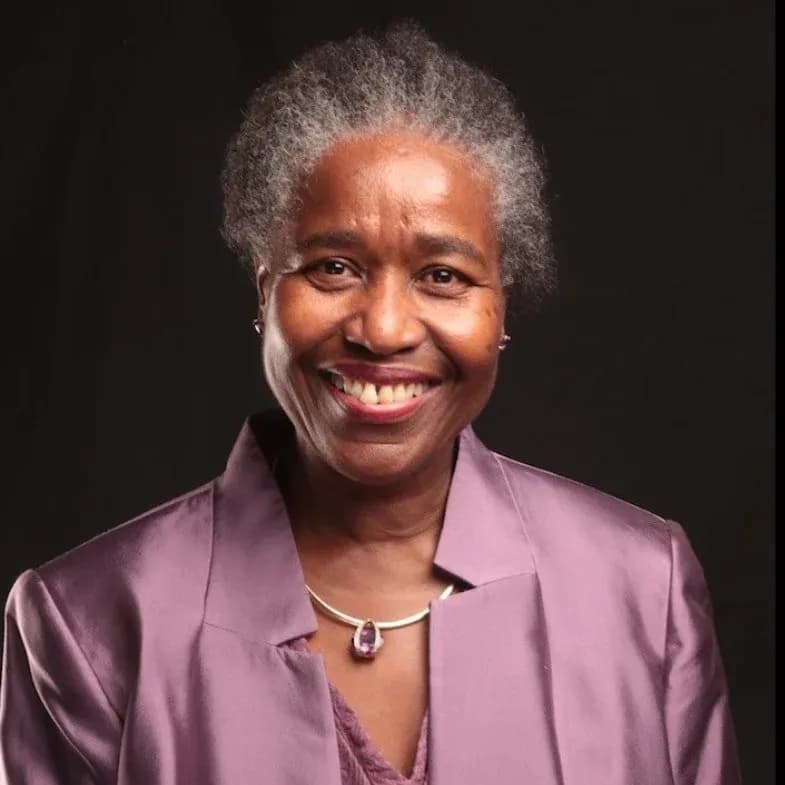
Dame Neslyn Watson-Druée DBE introduces cover star Professor Laura Serrant CBE, the nurse, scholar and poet who taught the world to hear what goes unsaid, and a London week for remembering who built this city.
Dame Neslyn Watson-Druée DBE introduces cover star Professor Laura Serrant CBE, the nurse, scholar and poet who taught the world to hear what goes unsaid, and a London week for remembering who built this city.
Last week we asked you to break the silence. This week I want to ask you for something harder: to listen for it. Every family, every ward and every boardroom carries things that are never said out loud. The worry a patient keeps to herself because nobody who looks like her has ever asked. The question a young nurse swallows because she is the only one of her kind in the room. The story a father never tells because he has decided nobody would understand. Those silences are not empty. They are full of knowledge we have not yet learned to hear.
Professor Laura Serrant and the Power of the Unsaid
Our cover star has spent her whole career teaching us to hear them. Professor Laura Serrant CBE was born in Nottingham in 1963 to parents from Dominica, and she was the first person in her family to go to university. In 1986 she qualified at Sheffield City Polytechnic as one of the first nurses in the country to train through a degree. She has said her Dominican heritage shaped many of the choices she made, and you can feel it in every room she has entered since.
The Lioness Effect™: Professor Laura Serrant CBE on Leadership, Courage and the Voices Institutions Fail to Hear
Professor Laura Serrant CBE went from frontline nursing to national leadership by speaking up when everyone chose to go quiet. The author of The Lioness Effect™ shows you how to lead with courage and make room for others to rise.
A young community nurse goes to work in the early years of the AIDS pandemic. There is no treatment pathway. Fear shapes how the public responds, and how many professionals respond too. Stigma has already left many of her patients isolated, and she can see that silence will leave them more isolated still.
So she speaks. She speaks at family gatherings and among friends. She speaks on local radio, in clinical meetings and at conferences. Her voice shakes, her hands sweat and her heart thumps. Many people do not want to hear what she has to say. She says it anyway.
That nurse was Laura Serrant. Today she is Professor Laura Serrant CBE, honoured with an OBE, a CBE and the Freedom of the City of London. Ask her about those years and she will tell you that bravery never entered her head. She felt responsible, and she felt privileged to stand in a room where change could happen.
You may know what it feels like to be the only one in the room. Laura has lived it for most of her career. She has often been one of very few Black women in the places where decisions are made, and at times the only one. Her peers had learned the unwritten rules of work from family and friends. She learned them in real time, while carrying the weight of everyone who was not there with her.
She never shrank to fit those rooms. She changed them. Her Silences Framework teaches researchers, practitioners and leaders to notice whose voices are missing and how those absences shape every decision. Her book The Lioness Effect™ sets out a philosophy of leadership built on courage, integrity, impact and collective strength. As an international speaker, an executive coach and the CEO of Laura Serrant Limited, she now works with leaders across healthcare, higher education, business and public service to build workplaces where nobody has to hide who they are.
Her strength began at home, with her mother, the women of her family and roots in Dominica, among people who knew how to create possibility and hold on to who they were.
Dame Neslyn Watson-Druée DBE, Editor-in-Chief of Rich Monday Paper+ London Edition, put twelve questions to her about the cost of courage, the loneliness of being the exception and the legacy that must remain when the titles disappear. Laura answered with rare openness. If you have ever been the only one in the room, or doubted whether your voice was worth the risk, you will find yourself in her answers.
Before the professorship, honours, boardrooms and public recognition, who was Laura Serrant, and what experiences in your childhood, family, community and early life most profoundly shaped the woman and leader you have become?
Before the titles, I was Laura: a daughter, a curious observer and a young woman learning from the people around me. My mother and the women in my family helped shape my understanding of strength. They showed me that leadership is not always announced; often it is expressed through responsibility, care, persistence and the way you make room for others.
My family’s roots in Dominica are part of my story. They connect me to a history of people who have had to create possibility, hold on to identity and keep moving forward. That sense of connection and perseverance has stayed with me throughout my life.
I did not begin with a plan to become a professor or a national leader. I began with a belief that people deserve to be seen, heard and given an equal chance to become all they can be. Nursing, and later my work influencing policy, gave that belief a practical expression. Everything that followed has grown from it.
What Adversity Taught Me
A distinguished career can make the journey look inevitable when it rarely is. What have been the hardest obstacles you have had to overcome, personally or professionally, and what did those experiences teach you about yourself?
My career has not been a straight line, and progress has not always meant that the path was open. I have worked in spaces where I was one of very few Black women, and at times the only one. That brings a particular pressure: you are expected to deliver while also being visible as a representative of people who are not in the room.
There was rarely someone who could show me how to be myself in those spaces or how to measure achievement in a way that made sense to me. Many of my peers had learned the unwritten workplace rules through family and friends. I was learning them in real time, while balancing a professional world that could feel very different from my upbringing and home life. I had to work out what counted, which parts of myself I wanted to protect and how to keep going. I learned that resilience is not simply enduring more. It is knowing what matters, asking for support, learning when to pause and continuing with purpose.
The journey taught me that I do not need to become a different person to belong in a room. I can bring my whole experience into it. That is a lesson I now share with leaders: self-knowledge helps you lead with clarity and make better decisions.
Race, Gender and Navigating Power
As a Black woman who has progressed into some of Britain’s most influential academic, healthcare and leadership spaces, how have race, gender and power shaped your journey, both in the barriers you encountered and in the leader you chose to become?
Race, gender and power have shaped the conditions in which I have worked. They influence who is assumed to be an expert, whose contribution is noticed and who is expected to adapt to an institution’s culture. I have experienced the isolation of being the exception, as well as the additional work involved in ensuring that my expertise is understood on its own terms.
Those experiences have shaped the leader I chose to become. Leadership is not only about gaining access to power; it is also about changing how power is used. I ask who has been excluded, whose knowledge is missing and what needs to change so that others can contribute and progress.
I have tried to lead with integrity, courage and curiosity, while staying alert to the experiences of people with less influence. My aim has never been simply to be the first or the only. It has been to help make it more possible for others to enter, contribute and shape the future.
The Courage to Hear What Is Not Being Said
Your work on the Silences Framework challenges us to pay attention not simply to the voices we hear, but to those that institutions, professions and societies fail to hear. Where did this idea come from, and what have your own experiences of silence taught you about leadership and justice?
The Silences Framework grew from my research and my experience in nursing. I became interested in the stories that were present but not being heard, and in how research and institutions can unintentionally reproduce that silence. If we listen only to the most confident or familiar voices, we may mistake a partial account for the whole truth.
My early nursing experience during the AIDS pandemic brought home the consequences of people being overlooked. I saw how stigma and assumptions could affect whether someone’s needs were recognised. That experience strengthened my belief that listening is not passive. It asks us to notice whose account is missing and why.
For leaders, silence can be information. It may signal fear, exclusion or mistrust; it can also point to evidence we have overlooked and to solutions we have not considered. We must create conditions in which people can speak, then be prepared to act on what we hear. Justice and social change begin with attention, but they cannot end there.
What Are You Fighting For?
After more than four decades of leadership and public service, what are you most passionate about changing now, and why does it matter so deeply to you?
After more than four decades in leadership and public service, I am passionate about building cultures in which people can do their best work without having to hide who they are or carry the burden of changing the system alone.
That means helping leaders move beyond statements of intent to consistent action: developing people, addressing inequity, retaining talent and creating workplaces where trust can grow. Everyday leadership behaviour shapes people’s experience. Culture is not abstract; people feel it in the decisions leaders make, the questions they ask and the behaviour they tolerate.
Organisations lose talent and insight when people cannot contribute fully. My work brings together leadership development, inclusive practice and cultural intelligence to help organisations turn their values into everyday experience. Across sectors and countries, leaders face the same practical question: how do we create conditions in which people can contribute, grow and stay? Answering it well improves workplaces and the outcomes they deliver for communities.
From the Bedside to Systems of Power
Your journey has taken you from frontline nursing into academia, research, NHS policy, board leadership and national influence. At what point did you realise that caring for people also meant challenging and changing the systems around them?
Nursing taught me that care is never only about the individual encounter. The conditions around a person (the policies, resources, assumptions and decisions made elsewhere) shape what care is possible and how it is experienced.
That became especially clear in my early work during the AIDS pandemic. When someone’s needs are not recognised in policy, law or planning, it is not enough to ask whether one professional cared. We also have to ask what the system made difficult to see, hear or do. That question took me from the bedside towards research, education, policy and leadership.
I have never seen those worlds as separate. Frontline experience should inform policy, and people who make system decisions should remain connected to the lives those decisions affect. Caring for individuals gave me a reason to challenge systems; working in systems gave me more ways to improve care for individuals.
Integrity When It Costs Something
You speak powerfully about integrity and moral courage in leadership. Tell me about a time when standing by your values carried a real personal or professional cost. What did you do, and what did that experience teach you about courageous leadership?
For me, integrity is tested when it would be easier to keep quiet, smooth over a difficult issue or say what people expect to hear. Throughout my career, I have raised questions about whose voices are being heard and whether our practices match the values we claim to hold. Those conversations can be uncomfortable, especially when they challenge established ways of working.
Working as one of the early community-based nurses during the AIDS pandemic was hard. There was no established treatment pathway, and fear shaped both public and professional responses. I felt that if we did not speak out and challenge the resistance to recognising the needs of people living with HIV and AIDS, people would be left even more isolated. I spoke about what I was seeing at family gatherings and with friends, on local radio, in clinical meetings and at conferences. Many people and organisations did not welcome what I had to say. I said it anyway.
I did not experience that as fearlessness. My voice shook, my hands sweated and my heart thumped. Looking back, others have called it brave. At the time, bravery did not enter my head. I did feel the responsibility, and the privilege, of being in spaces where change could happen.
I tried to speak with evidence, respect and a clear sense of purpose. I learned that courageous leadership is not the absence of fear; it is choosing to use your voice when the issue matters and staying engaged after the difficult conversation.
That experience taught me that integrity is not a single heroic act. It is a pattern of choices: being open to challenge, reflecting on your impact and being willing to change your mind when the evidence asks you to.
From Being the Exception to Changing the System
There is a difference between succeeding within a system and changing the system so that others can succeed. When you look back, where do you believe your leadership has helped create opportunities that did not previously exist for others?
Across research, teaching, advisory roles and policy work, I have contributed to conversations about leadership, equity and professional practice. The Silences Framework gives researchers and practitioners a way to examine whose voices are missing and how those absences shape what we understand and decide.
I have also worked through mentoring, coaching and leadership development, particularly with people who may not see their experience reflected in traditional models of leadership. Supporting individuals matters, and so does changing the conditions that limit their contribution. Organisations need to recognise talent more fairly and make room for different forms of expertise.
I see thought leadership as the work of developing ideas that help people see a familiar challenge differently and act on it. I want my research and frameworks to travel beyond the settings in which they began, to inform leaders across healthcare, higher education, business and public service, in the UK and internationally. The test is whether an idea helps someone ask a better question, change a practice or make room for another person to lead.
You have received significant recognition, including an OBE, and more recently a CBE and the Freedom of the City of London. What does recognition mean to you personally, and how do you stop recognition becoming the destination rather than remaining anchored in purpose?
Recognition is meaningful. I receive my OBE and CBE, and the Freedom of the City of London, with gratitude and with a strong awareness that they reflect work carried out alongside many other people. These honours also create an opportunity to draw attention to the issues and communities that have mattered throughout my career.
I treat recognition as a marker along the way, not the destination. Titles do not tell you whether you are listening well, whether your decisions are fair or whether your work is making a difference. Those questions keep me grounded.
My purpose remains connected to why I entered nursing and healthcare policy: people matter, and their experience should shape the systems around them. When recognition gives me a larger platform, I want to use it responsibly: to share knowledge, open useful conversations and encourage leaders to turn good intentions into action.
The Lioness and the Philosophy of Leadership
The Lioness Effect™ presents leadership as something grounded in courage, integrity, impact and collective strength. Why the lioness, and what has your own life taught you about the difference between acquiring authority and truly becoming a leader?
I chose the lioness because she represents strength in relationship with others. The image is not about dominance or standing alone. It is about awareness, courage, care, connection and knowing when to act. Those qualities have shaped my understanding of leadership and The Lioness Effect™.
The framework invites leaders to Be You, Be Human, Be Intentional and Consistent, and Be Connected. In practice, that means understanding yourself, recognising the humanity of others, acting with clarity and purpose, and building relationships that make collective work possible. These principles speak to leaders across genders, cultures and sectors.
Authority may come with a title, but leadership is something people experience through your behaviour. Do you make people feel seen? Do you take responsibility? Do you help others grow? My life has taught me that leadership is not proved by how much authority you acquire, but by what becomes possible for others because you use it well.
The Person Behind the Public Leader
Leadership narratives often celebrate resilience without acknowledging its cost. What has your journey demanded of you personally, and how have you learned to protect the parts of yourself that exist beyond achievement, responsibility and service to others?
A long career in service asks a great deal of a person. Responsibilities, decisions and expectations can follow you beyond the working day. Resilience has helped me, but resilience does not mean being unaffected or endlessly available.
I am still learning to protect the parts of myself that are not defined by achievement or service. That means making space to reflect, to be with the people who matter to me and to remember that rest helps sustain a life and a purpose. Asking for support is a strength, not a failure of independence.
The person behind the public leader needs care, too. I want to model a leadership that values humanity in others and in ourselves. We cannot ask people to lead well over time if we treat their (or our) energy, relationships and wellbeing as expendable.
Legacy: What Must Remain When the Titles Disappear
When you eventually look back over the whole arc of your life and work, what do you hope will have changed because Laura Serrant was here, and what do you hope those whose lives you have touched will say you stood for? If you could leave the next generation of Black women, nurses, academics and emerging leaders with one truth that it took you a lifetime to learn, what would it be?
I hope that because I was here, more people have been able to speak, contribute and lead without having to diminish who they are. I hope my work has helped leaders listen more carefully, institutions question their assumptions and organisations make better use of the talent already within them.
I would like those I have worked with to say that I stood for integrity, courage and impact, and that I tried to bring humanity into spaces where it could easily be lost. If the Silences Framework or The Lioness Effect™ helps someone make a wiser decision or creates an opening for another person, that is a legacy I value.
The truth I would leave with the next generation, wherever they are, is this: you do not have to wait for permission to recognise your own worth. Know who you are, stay curious, choose your values with care and use your voice in the service of something larger than yourself.
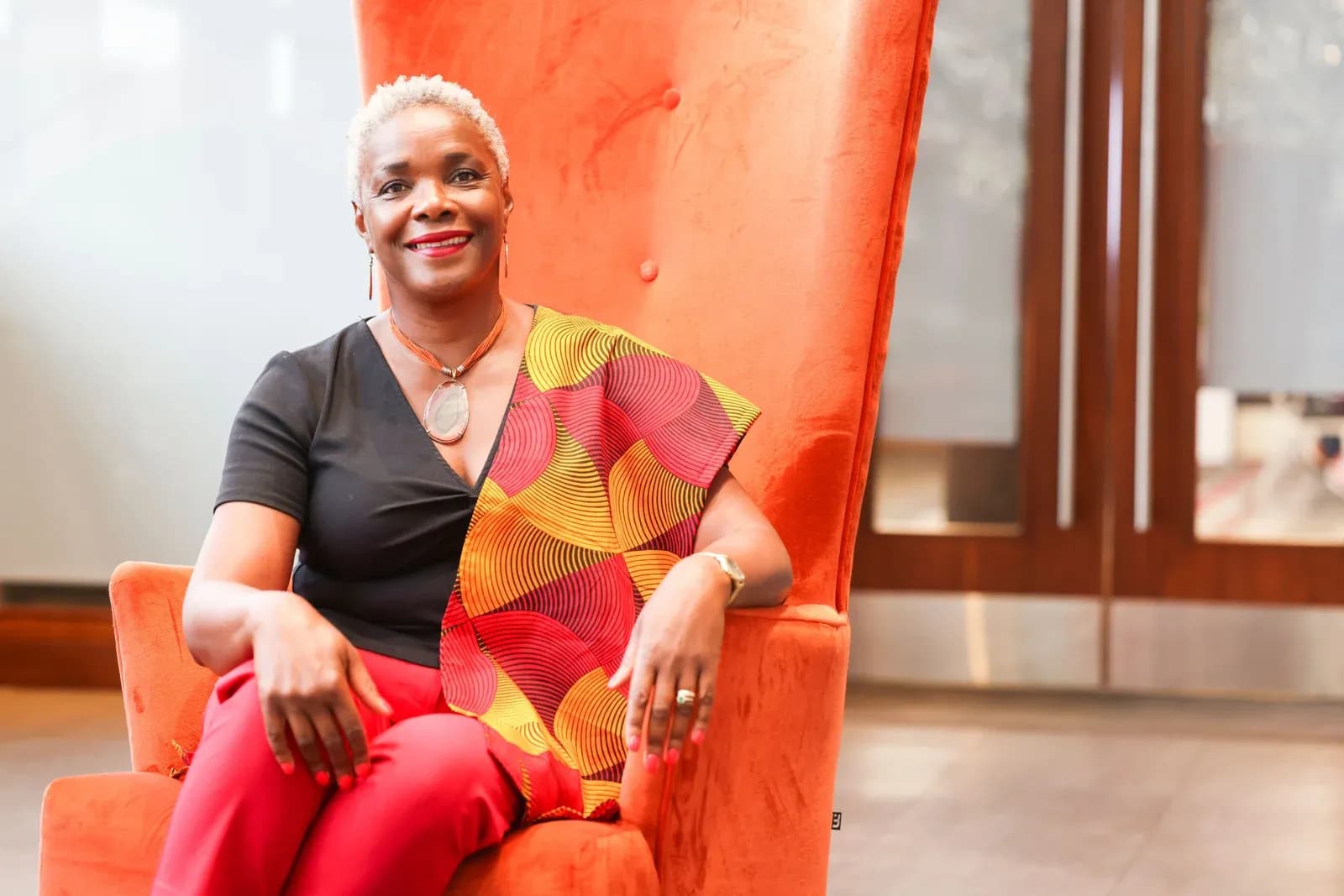
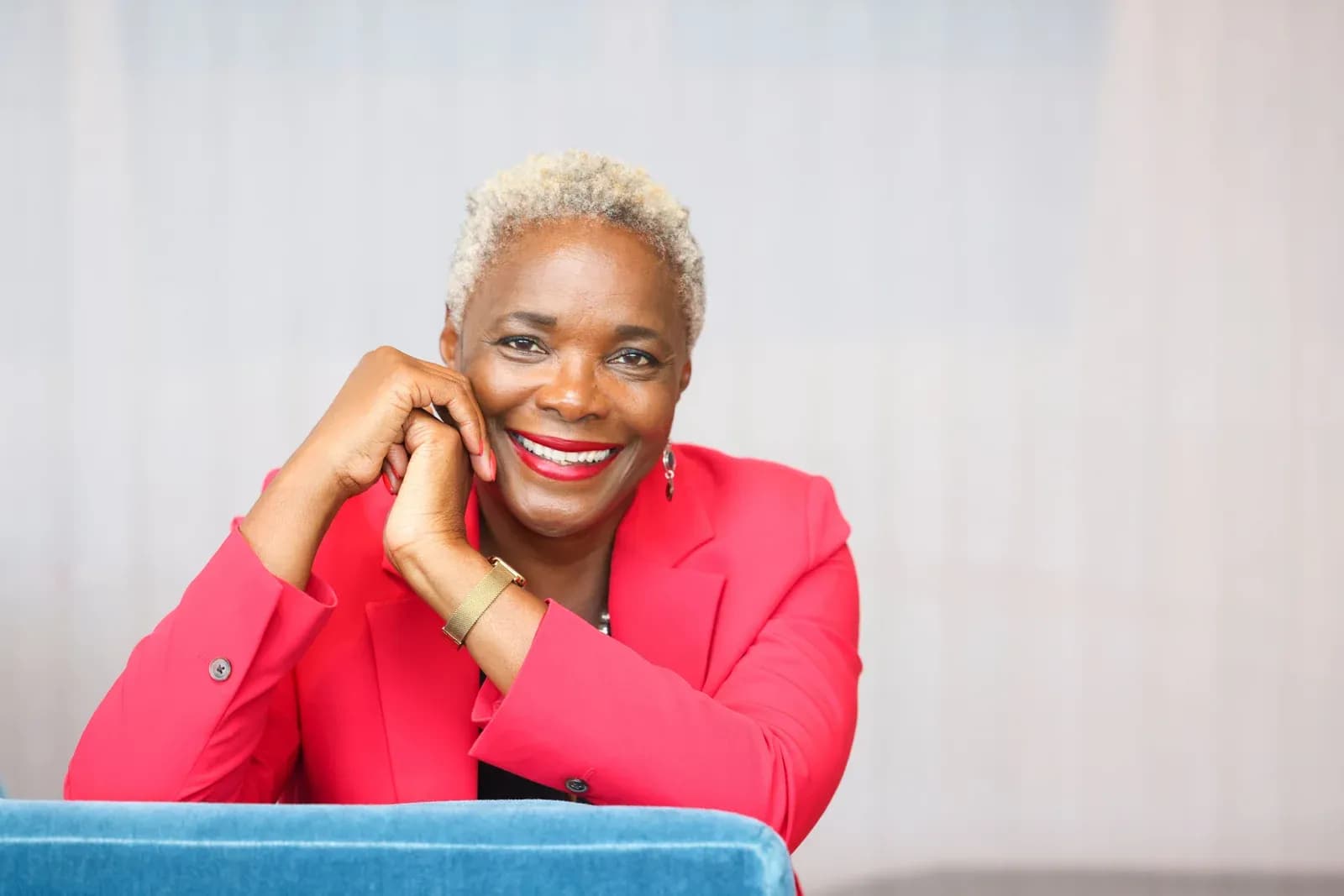
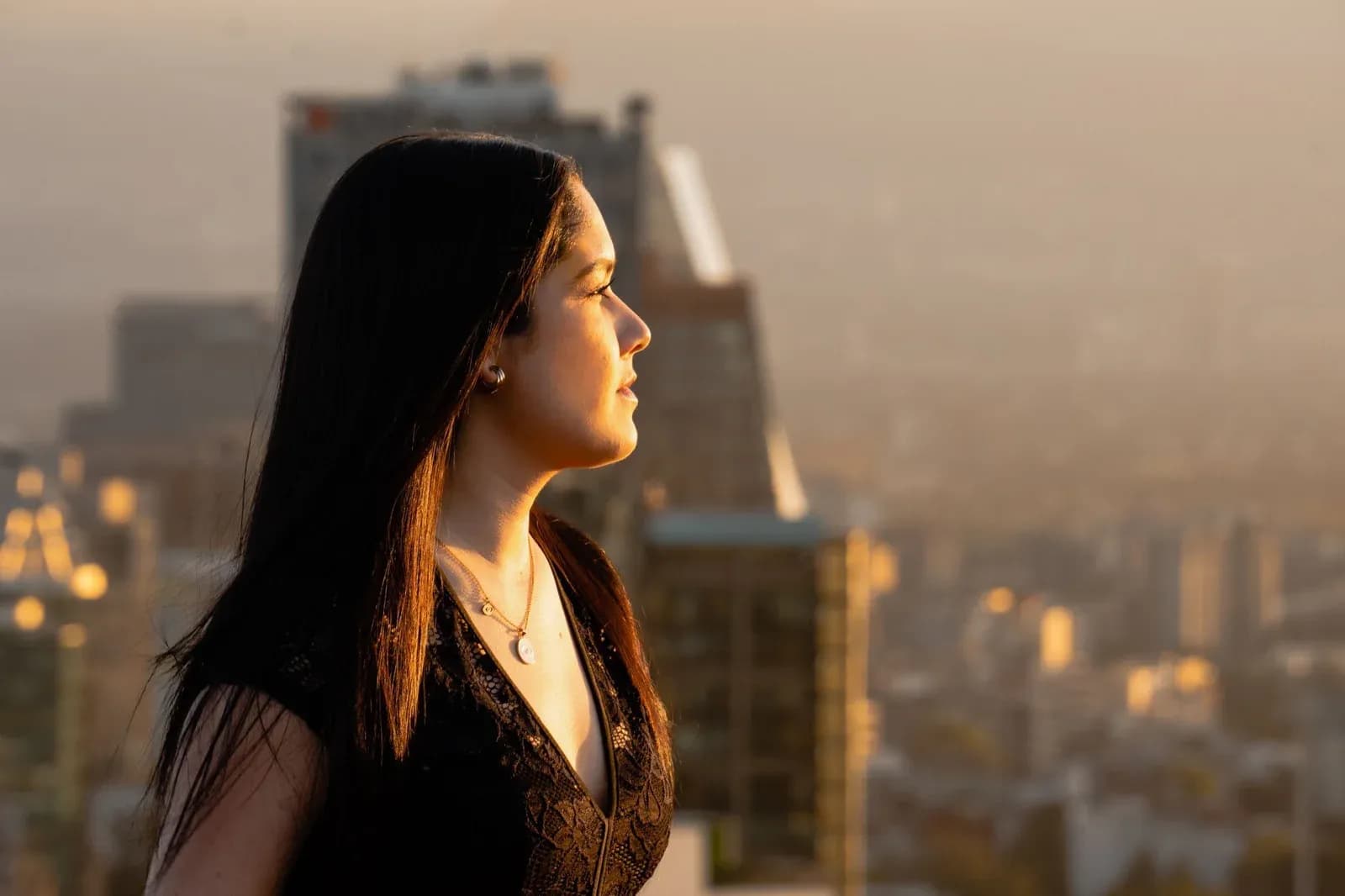
Portraits of Professor Laura Serrant CBE PhD courtesy of Lensi Photography.
In Conversation with Dame Neslyn: How Do You Lead Through a World of Geopolitical Change?
War in the Middle East, rewired trade and an AI investment boom are reshaping the global economy. Dame Neslyn Watson-Druée explains how you can anticipate what lies ahead, build resilience and find where the next growth will come from.
By Dr Marina Nani
Photo: Courtesy of Dame Neslyn Watson-Druée
The world economy will grow by 3.1% this year, according to the International Monetary Fund, and on paper that looks steady. Underneath that number, growth has rarely been so unevenly shared. In April, the IMF counted 54 countries producing 95% of global growth. By October, the same share came from just 32.
The war between the United States, Israel and Iran, which began at the end of February, is now in its ninth month. The Strait of Hormuz carried close to a fifth of the world's crude oil before the fighting started, and attacks on shipping there increased again in recent weeks. At the same time, a boom in artificial intelligence has led the World Trade Organization to more than double its forecast for growth in world goods trade this year.
For you, these forces arrive as energy bills, interest rates, tariff codes and hiring decisions. I sat down with Dame Neslyn Watson-Druée DBE, Editor-in-Chief of Rich Monday Paper+ London Edition, former NHS Chair, business angel and author of From Impossible to Possible, to talk about how you lead a business when the map keeps changing.
Emergency Doctor Raham Alsawadi Is Closing the Transparency Gap in Food Supplements
Dr Raham Alsawadi's consumer guide and his Journal of Nutrition paper show you why one familiar word on a supplement label can say very little about what the capsule holds.
You turn a bottle of supplements over and find 'turmeric' among the active ingredients. The word is familiar, it sounds natural and it suggests you are getting what turmeric is known for. Dr Raham Alsawadi, a UK emergency medicine physician, has written a book that teaches you to look past that first impression and check what the label can actually support.
Dr Raham Alsawadi, author of Decoding the Label Photo: Courtesy of Kanthos Limited
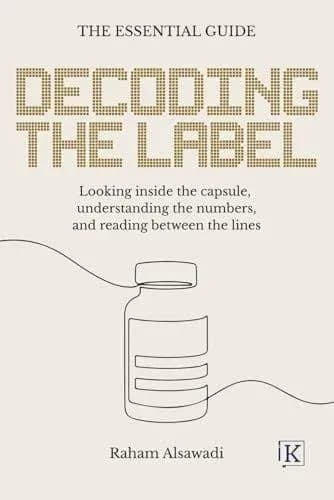
His book, *Decoding the Label: Looking inside the capsule, understanding the numbers, and reading between the lines* (Kanthos House, 2026), is a consumer guide to reading supplement labels from front to back. It covers how a label is laid out, the difference between the weight of a compound and the amount of active nutrient inside it, excipients, colourants and coatings, extracts versus raw powders, proprietary blends and the claims a brand is permitted to make. Among those subjects, the book introduces a term for one recognisable pattern: the 'perception filler'.
Featured Book
Decoding the Label
Looking inside the capsule, understanding the numbers, and reading between the lines
by Raham Alsawadi
Written by UK emergency medicine physician Dr Raham Alsawadi, Decoding the Label is a consumer guide to reading supplement labels from front to back. It covers how a label is laid out, the difference between the weight of a compound and the amount of active nutrient inside it, excipients, colourants and coatings, extracts versus raw powders, proprietary blends and the claims a brand is permitted to make. The book introduces the term 'perception filler' for an ingredient whose presence on a label adds more to the impression of a complete product than to what you can measure from the form and quantity declared, and it brings its chapters together in the 30-Second Framework: eight questions to put to every named active ingredient.
We may earn a commission from purchases made through this link.
That term has now reached the research community in its own right. In November 2026, The Journal of Nutrition published his peer-reviewed paper, The Perception Filler: A Proposed Conceptual Framework for Ingredient-Interpretation Gaps in Food Supplements. The paper proposes the perception filler as a conceptual framework: an ingredient whose presence in a formulation may add more to how complete or substantial a product appears than to any nutritional or botanical contribution you can interpret in the form and quantity used.
What Are Fillers in Supplements
Most guides to supplement fillers send you to the 'other ingredients' line, where bulking agents, binders and coatings sit. Dr Alsawadi takes a calmer view of that list. Most of those excipients are permitted, and many serve a genuine purpose. 'The issue is not usually harm,' he says. 'It is that capsule and tablet space is finite, and every milligram used for bulk is space not used for actives.'
The more useful habit is to look again at the active ingredients, where a perception filler sits. In the active ingredients list, check four things. The form comes first: words such as 'root', 'leaf', 'herb' or 'powder' usually point to raw plant material rather than a concentrated extract. Standardisation comes next, a stated percentage of the key compound such as '95% curcuminoids', without which the active content cannot be estimated from the label. Then check the amount, as raw powders often need gram-level quantities to deliver meaningful levels of their active compounds. Finally, weigh breadth against depth: a long list of ingredients at small amounts can look comprehensive without any of them being present in a meaningful quantity. After that, turn to the full ingredients list and check the order, since a bulking agent listed above an active means there is at least as much bulk as active by weight.
'The aim isn't suspicion,' he says. 'It's to check whether each ingredient's presence on the label matches what it actually contributes.'
Turmeric Powder vs Curcumin Extract
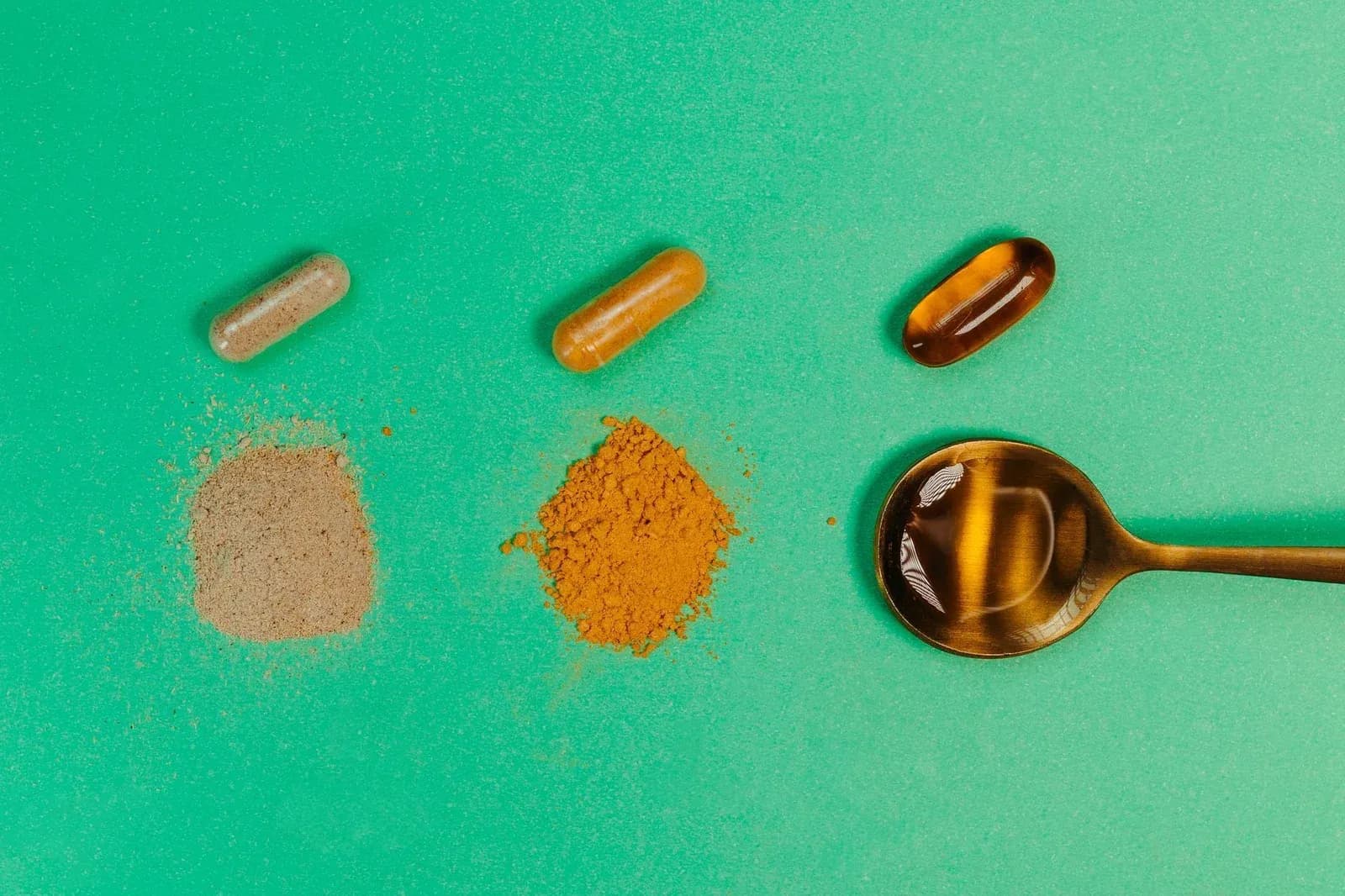
Turmeric is his clearest example, and it appears in multi-ingredient formulas of every kind as well as on its own in standalone capsules. The pattern is the same wherever it appears: turmeric listed as raw root powder rather than a standardised extract, at an amount too small to provide a meaningful quantity of curcuminoids, its recognised active compounds.
Raw turmeric root typically contains around 2 to 5% curcuminoids. One label he examines in the book lists 50 mg of raw turmeric powder per daily serving, which works out to roughly 1 to 2.5 mg of curcuminoids. About 84 mg of a 95% standardised extract would provide 80 mg. The same label listed a bulking agent above the turmeric in the ingredients list, indicating at least as much bulk as turmeric by weight.
A capsule sold simply as 'turmeric' follows the same logic. If it is unstandardised raw powder, the curcuminoid content is a small fraction of what the name implies. In a multi-ingredient formula, a perception filler adds to the impression of breadth; in a standalone product, the name alone carries the impression.
None of this means a product breaks the rules. 'What the reader can conclude is not that the product is unlawful,' he says. 'These labels are usually compliant. The conclusion is that the ingredient's presence on the label exceeds its quantitative contribution.'
The Perception Filler in The Journal of Nutrition
The paper is careful about where the term stops. It separates a perception filler from related categories, among them excipients, proprietary blends, extract-equivalence labelling and botanical adulteration, so that the term is not applied to everything. It also does not depend on an agreed dose threshold. The framework tests whether an ingredient's declared form, quantity and compositional information give you enough to judge its substantive contribution, or whether its presence mainly serves the story the formulation tells.
'The question isn't simply whether an ingredient reaches a particular dose,' says Dr Alsawadi. 'It is whether the way it is declared gives the reader enough information to judge what that declaration actually represents.'
The paper offers a proposed definition, working criteria for identifying the pattern and a call for clearer disclosure of botanical ingredient form and, where it applies, standardisation. It is written for researchers, regulators and consumers, and it makes no judgement about the efficacy of any ingredient, product, brand or formulator. Clearer disclosure, the paper proposes, could make labels easier to interpret without regulators first having to set universal efficacy thresholds.
Neither the paper nor the book is a systematic survey of labels, so Dr Alsawadi does not put a figure on how common the pattern is. 'Measuring how common this is across the market would be a worthwhile next study,' he says.
How to Read Supplement Labels in 30 Seconds
Decoding the Label brings its chapters together in what he calls the 30-Second Framework: eight questions to put to each named active, in this order.
Serving size. Check whether the amounts are per capsule or per daily serving. Comparisons only work on the same basis.
Form. A single word such as 'magnesium' usually refers to the nutrient itself. A descriptor such as 'citrate' or 'bitartrate' signals a compound, where part of the weight is carrier. For botanicals, 'root', 'leaf' or 'powder' points to raw material, while 'extract' with a ratio such as 10:1 indicates concentration.
Literal or reconstructed. Words such as 'equivalent to', 'from' or 'Eq.' usually mean the large number describes the raw plant used in manufacture, not what is in the capsule.
Active yield. Look for a 'providing X mg' line or a standardisation percentage. Extract weight multiplied by the percentage gives the active amount. A ratio alone shows concentration, not active content.
Anything hidden. Proprietary blends declare a total but not the individual amounts.
Physical plausibility. Add up the milligrams, divide by the number of capsules or tablets and check that the total fits.
Ingredient order. In the full ingredients list, check whether bulking agents appear above the actives.
Front versus panel. Check whether the numbers on the panel support words such as 'high strength' or 'advanced' on the front.
His own test rests on the second and fourth questions, form and active yield. 'If I can't answer steps 2 and 4 for an ingredient, it isn't declared clearly enough to judge,' he says. 'That doesn't make the product bad. It means the label hasn't given me what I need to know.'
The next time you see 'turmeric' on the back of a bottle, put his three questions to it. Is it raw powder or a standardised extract? How much is present? And what does that amount actually provide? If the label answers all three, you can judge what you are paying for. If it cannot, the word is doing more work than the capsule, and you will have spotted it in less time than it takes to reach the till.
About Dr Raham Alsawadi
Dr Raham Alsawadi is an independent emergency medicine physician and the founder of Kanthos Limited, the UK company behind the Olivantine supplement brand and the Kanthos House publishing imprint. His work focuses on transparency in food supplement labelling.
Frequently Asked Questions
How do you read a supplement label?
Start with the serving size, so you know whether the amounts are per capsule or per daily serving. For each active ingredient, check its form, then look for a standardisation percentage or a 'providing X mg' line. Check whether any proprietary blend hides individual amounts, and whether the total milligrams fit the number of capsules. Finally, check ingredient order in the full ingredients list, and compare claims on the front with the numbers on the panel.
What does standardised extract mean on a supplement label?
A standardised extract states the percentage of a key compound it contains, such as '95% curcuminoids'. Multiply the extract weight by that percentage and you get the active amount. A ratio such as 10:1 shows concentration only. Without a stated percentage, active content cannot be estimated from the label.
What is the difference between turmeric powder and curcumin extract?
Raw turmeric root powder typically contains around 2 to 5% curcuminoids, so 50 mg provides roughly 1 to 2.5 mg. A 95% standardised extract is far more concentrated: about 84 mg provides 80 mg of curcuminoids. A label that lists only 'turmeric' or 'turmeric root powder' gives you no stated active content.
UK Phone System Olatti Brings Client Calls into Claude, Where Much of a Firm's Work Now Happens
Olatti's connector gives Claude the summary and transcript of every call, so what a client says on the phone can be used in the proposals, emails and plans the assistant is already working on.
By Darie Nani
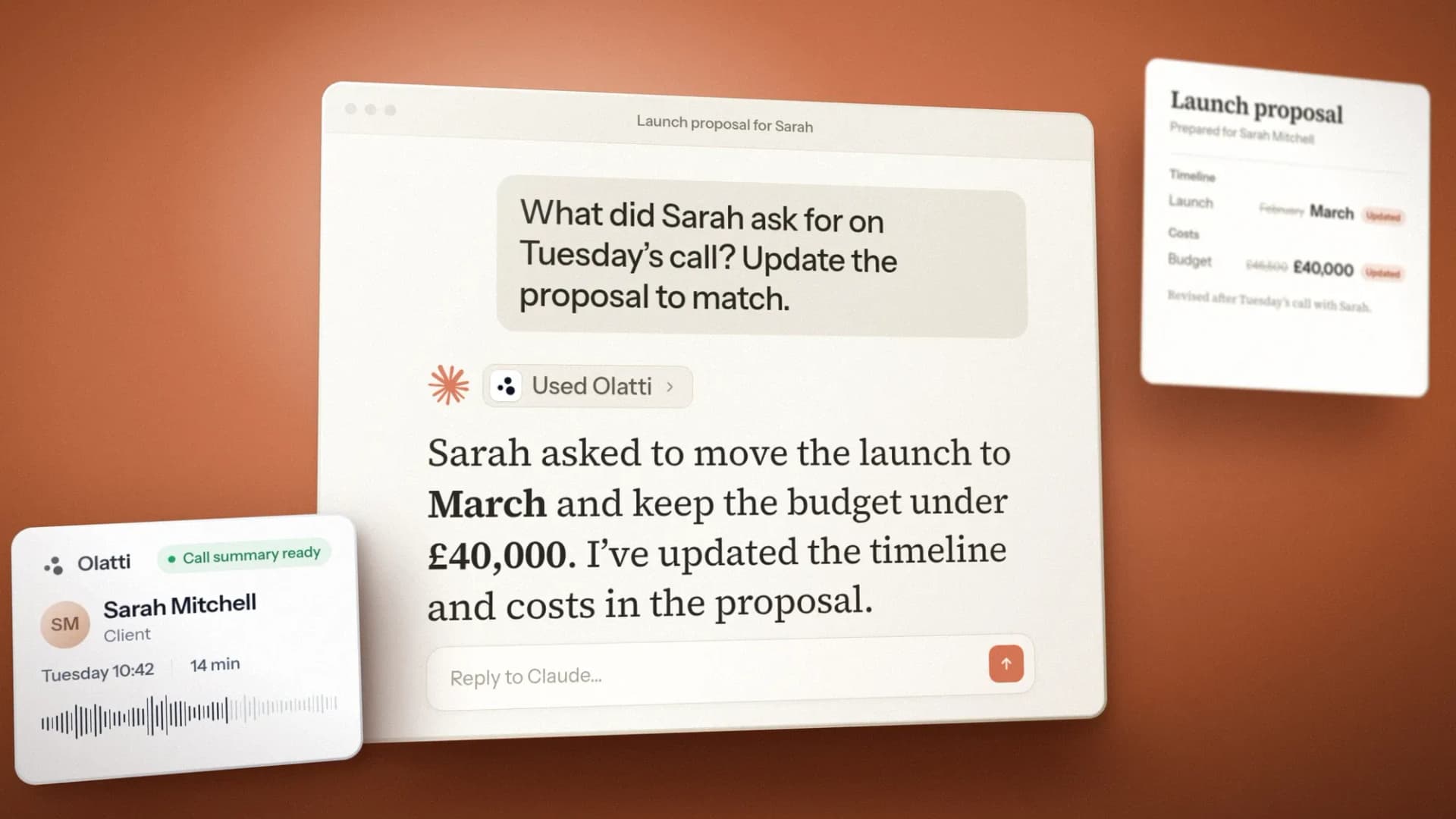
Claude using an Olatti call summary to update a client proposal. Photo: Illustration: Sovereign Magazine
Olatti's connector, listed in Claude's Connectors Directory, gives the assistant the summary and transcript of each of a user's calls, which it can use alongside the emails, files and client records it already reads.
Phone Calls Left Outside the AI Assistant
As more firms do their work directly in Claude, owners and their teams spend much of the day in the assistant, drafting proposals and reports, replying to clients, planning projects and keeping records up to date, with the assistant working from whatever it can read. Without the phone connected, when a client rings to change the scope, rule out an idea or raise a concern, the only record is what the person on the call remembers or writes down.
The team's attention is on the assistant's draft, which looks complete because it has used the brief and every email it can read. The change the client asked for on Tuesday's call is missing unless someone remembers it and adds it, and if nobody does, the client spots it and the draft goes back for another round. The more of a firm's work is done in the assistant, the more often that happens.
Connecting a Business Phone System to Claude
“I think small businesses are going to run more and more of their day through an AI assistant, and I wanted Olatti to be there from the start.”
— Axel Molist
With Olatti connected, Claude can find any of a user's calls and read its summary or full transcript, along with who rang, who was missed and how long each call lasted.
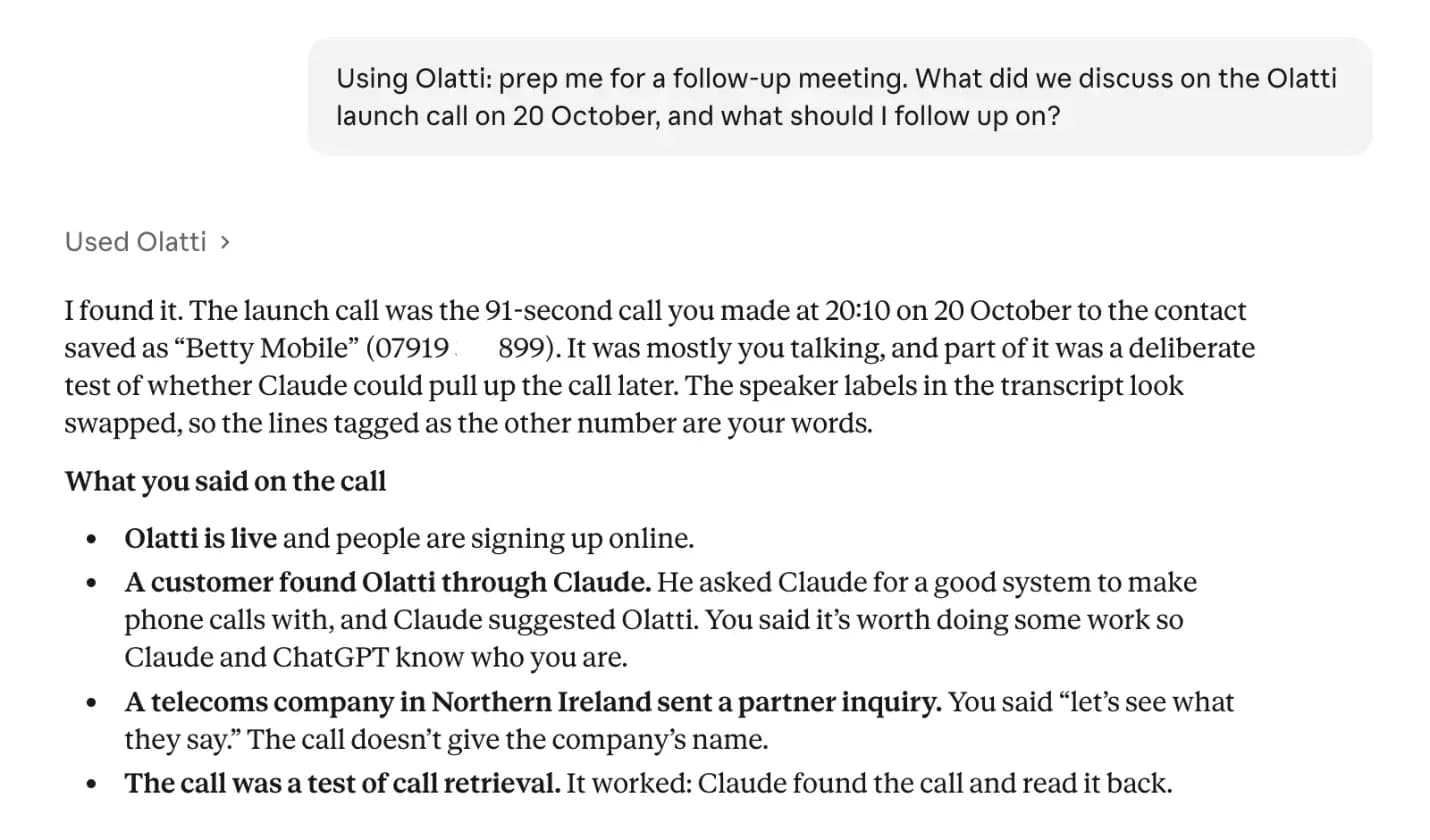
Claude preparing Axel for a follow-up meeting from an Olatti call summary. Photo: Olatti
Claude can have many connectors switched on in the same conversation, and its directory lists more than 1,000 for the software businesses use. With Olatti connected alongside the firm's other software, Claude can take what a client said on Monday's call and use it in the proposal it is drafting, the reply to the client's email, their record in the CRM and the plan for the next stage of the project, all in one conversation.
"Phone systems typically have a dashboard, and that dashboard is fixed. With Olatti connected to Claude or ChatGPT, you just ask the question, in a single sentence," said Axel Molist, Olatti's founder and chief executive. He and his team use Claude and ChatGPT every day, and he says an answer takes about three seconds once the connection is set up.
Client Calls in the Work Claude Does
For the service firms Olatti is aimed at, such as agencies, accountants, recruiters and design studios, much of a client's direction is given on the phone. A design studio revising a proposal can ask Claude to work from everything the client has said about the project on calls, including the changes they asked for and the ideas they rejected, and to point out where the current draft departs from it. If the client rings again and changes their mind, Claude can use that call in the next draft.
An accountant can have Claude read what a client said about their plans on recent calls before it drafts the advice letter, and check the letter against the client's file and correspondence in the same conversation. A recruitment consultant can have it draw up a shortlist from what the hiring manager said about the role on the phone, set against the candidates in the firm's own records.
Olatti call history with an AI call summary and transcript. Photo: Olatti
A Recruiter Who Found Olatti Through Claude
Scott Lechley has run Lechley Recruitment, an executive search firm in construction, on his own for 25 years. Before Olatti he used two internet phone services, where calls sometimes sounded as if he were on the Tube or underwater, and he could record a call only on speakerphone, so nothing he said from the car was kept.
After four or five years of looking, he asked Claude for a phone system that could record and transcribe his calls and work with his CRM, and Claude found Olatti. He now has Olatti on an eSIM in his phone's normal phone app and on his desktop, and every call is recorded and transcribed. Claude is connected too, and a routine runs at the end of each day that puts his calls into his CRM.
"I couldn't find anybody that has an eSIM you can record and integrate with a CRM, and I've been trying for about four or five years. It was Claude who found it," Scott said.
Passing Client Requests to Colleagues
Since 26 October, Claude can also pass what a client asked for to a colleague on the same project, in a direct message or an existing chat in Olatti. It shows the user the exact wording and sends the message under their name only once they approve it. Axel says that step has been there since the first version, much as an email does not go until someone presses send, and that no message has ever gone out wrongly. "I don't think confirmation steps are a big deal. They're a cautious default. Trust grows over time, and people should decide for themselves how much they hand over," he said. For an owner who is unsure, his advice is to start by asking the assistant questions about their own calls.
Olatti's Own Platform and What the Assistant Sees
“We could only do it because Olatti is our own platform. We still resell somebody else's system at circle.cloud, and as a reseller you can't build something like this. You sell what you're given.”
— Axel Molist
Axel Molist, founder and chief executive of Olatti. Photo: Olatti
Olatti transcribes and summarises calls on that platform, in its UK data centres, without a third-party AI provider. Each member of a team decides whether to connect an assistant, and the assistant sees only that person's own calls, chats and devices and the company's contacts, not a colleague's calls or messages. Olatti plans to add an option for admins to see their team's calls.
Once a call summary is fetched into a chat, Anthropic or OpenAI handle that chat under their own terms. "It's like copying a call summary into an email. Once you send it, your email provider has that copy. Connecting an assistant doesn't change where Olatti does its own processing. And if you never connect one, it never sees your calls," Axel said.
Olatti is sold direct and through circle.cloud, and is available only in the UK for now, with the US and other markets planned. The summaries and transcripts that tell the assistant what was said come with its Plus and Unlimited plans, which cost £20 and £25 a month for each user, or £17 and £21 on annual billing, excluding VAT. On the Metered plan, at £6 per user per month or £5 billed annually, the assistant can see that a call took place but not what was said.
Olatti's founding club, open to the first 100 UK teams, takes 30% off the subscription for as long as a team stays, and new teams can start with a seven-day free trial that needs no card.
FAQ
Can ChatGPT read my business call transcripts?
It can if the phone system connects to ChatGPT and the plan includes transcripts. With Olatti connected, a user on the Plus or Unlimited plan can ask ChatGPT to find a call and read its summary or full transcript. ChatGPT sees only that user's own calls, not a colleague's.
How do you connect Claude to business apps with MCP?
Apps that offer an MCP server can be added to Claude as connectors, from Claude's Connectors Directory or as a custom connector, and several can be switched on in the same conversation. With Olatti connected alongside the other apps a firm works in, Claude can use what a client said on a call in the documents and messages it drafts.
How do you use AI to summarise business phone calls?
Some phone systems record, transcribe and summarise calls themselves. Olatti does this on its Plus and Unlimited plans, in its UK data centres. With Claude or ChatGPT connected, a user can ask the assistant what was said on a particular call, and it answers from that call's summary or transcript.
London Calling: The Week Starting 23rd November 2026
The London Museum opens its new Smithfield home, Nan Goldin returns to the Hayward, Stoppard's Jumpers comes back to Hampstead and Advent begins under the dome of St Paul's. Eight things to do in London this week.
This is the week London opens its family album. On Saturday 28th November, the London Museum opens the doors of its new home in Smithfield, almost exactly 50 years after the original Museum of London first welcomed visitors. Around it, the city fills up: Nan Goldin's first major UK show in more than two decades, Tom Stoppard's Jumpers back on a London stage, Thanksgiving on the South Bank, the first family shows of the festive season and the start of Advent. Here are eight ways to spend it.
The London Museum Opens in Smithfield
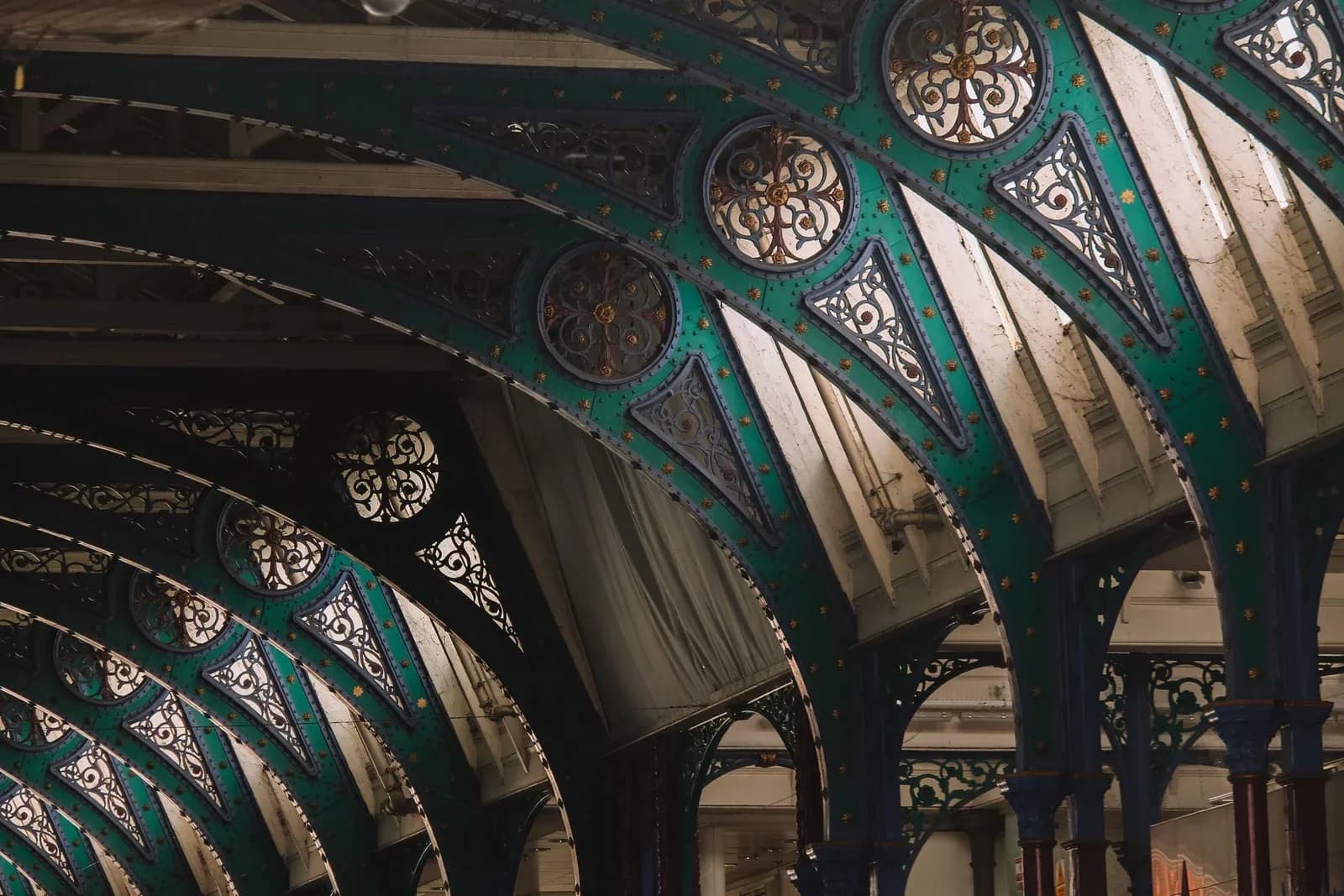
After more than ten years of work, the London Museum, formerly the Museum of London, opens in the restored Victorian General Market at West Smithfield on Saturday 28th November. The £437 million project gives the world's largest city museum a permanent home in a building designed by Sir Horace Jones, which first opened as a market in 1883. The opening marks the museum's 50th anniversary, and the galleries are free.
Brexit Food Checks Stay Until 2028 Under the UK-EU Reset Deal Agreed in Brussels
Andy Burnham and Ursula von der Leyen concluded three agreements on Friday, but the EU aims to start them on 1 March 2028 and says all three wait on a deal over university fees for its students.
British food exporters will keep filling in export health certificates for shipments to the European Union until at least March 2028, even though Prime Minister Andy Burnham and the EU's leaders concluded the deal to remove them in Brussels on Friday.
"The deal is done. Negotiations have concluded. Now both sides will work towards implementation," a UK government spokesperson told Al Jazeera after Burnham met Ursula von der Leyen, President of the European Commission, and António Costa, President of the European Council. The two sides concluded three agreements: a common area for food, plant and animal rules, known as the SPS agreement; a link between their carbon markets; and a youth experience scheme. Downing Street says both sides agreed timelines for each, to be published in a joint statement.
Those timelines are long. The EU says it aims to begin implementing all three agreements on 1 March 2028. British steel and aluminium exporters are expected to wait until 2028 to be spared the EU's carbon border tax. And the EU has indicated that all three deals are on hold until the UK agrees to cut university fees for European students, a dispute both sides have given themselves six months to settle. Until then, food checks at the border stay as they are.
Food and Farm Checks Are Due to End on 1 March 2028
The SPS agreement is the part of the package with the clearest value for business. The government values it at up to £5.1 billion a year for the UK, mainly from scrapping export health certificates, which cost up to £200 each, along with plant certificates, inspection fees and most "Not for EU" labels. Our readers saw the draft text when it was circulated to EU governments earlier this month.
None of that applies until the agreement is in force, and the EU's target for that is 1 March 2028. The date appeared in square brackets in earlier drafts. A Commons committee had pencilled in mid-2027 for both the food deal and the carbon link.
Customs declarations are not part of the deal and stay in place after 2028. Single-serve sachets and small containers are also left out, according to the government's own factsheet.
From March 2028 the UK will follow EU rules on food and farming as they change. It gets a right to be consulted on new EU rules but no vote on them. France softened its position on the deal in the final hours, the Financial Times reported, citing EU diplomats.
Burnham says the package as a whole could add 0.5% to the economy. "There's the possibility of lower food prices, I can't turn my back on that," he said on Thursday.
Steel Exporters Pay the EU Carbon Levy Until the Markets Are Linked
The EU's carbon border tax, known as CBAM, charges importers for the carbon emitted in making steel, aluminium and other heavy goods. Linking the UK and EU carbon markets would exempt British exporters from it. The government puts the value of the link at up to £3.8 billion a year and says it protects about £6.5 billion of steel and aluminium exports.
The exemption is not immediate. British businesses are expected to wait until 2028. Frank Aaskov, director of climate change policy at UK Steel, said the industry would be disappointed that negotiators had not persuaded Brussels to grant an exemption on the strength of a political commitment to link the two carbon markets. Adam Berman, director of policy at Energy UK, said delays to an exemption would mean higher taxes on exports to Britain's largest market and higher electricity costs.
Electricity is not in the package at all. Talks on bringing the UK back into the EU's internal electricity market, which Burnham has said could cut wholesale costs in Northern Ireland by up to 20%, will continue.
Professional services got nothing. UK efforts to make short work trips easier for British lawyers and accountants were rebuffed by the EU, according to the Financial Times.
EU States Want a Tuition Fees Deal Within Six Months
The youth experience scheme will let young people from each side live and work in the other for up to three years. EU diplomats say the UK has agreed to 100,000 places, up from the 50,000 it first proposed. The age limit and whether the cap is annual have not been confirmed.
When it starts depends on a dispute that is still open. EU member states want their students in the UK to pay the same fees as British undergraduates, which would cut their fees from up to £38,000 a year to £9,970. The UK has resisted because of the cost to universities. Irish students already pay home fees under the Common Travel Area and are not affected.
The two sides have agreed to try to settle the question within six months, which means by about 20 May 2027. The EU has indicated that the food, carbon market and youth deals will be on hold until a deal on fees is done. The UK says the dates for when the agreements come into force are not conditional on fees. Those two positions cannot both hold, and the joint statement is the first place to look for which one does.
Erasmus+ is the one change already on a fixed footing. The UK rejoins the EU's student exchange programme in 2027, under terms agreed in December 2025 and covered in our preview of the summit.
“The test for this Summit is simple: does it make life better for people in Britain?”
— Andy Burnham, Prime Minister
Parliament and the European Parliament Still Have to Vote
An agreement concluded by negotiators is not yet law. "As with all international agreements, there is a legal process in each respective country which will now take place," the UK government spokesperson said. On the UK side, the deals need the new legislation announced in the King's Speech in May, and the treaties have to be laid before Parliament before they can be ratified. On the EU side, the Council has to approve signature and the European Parliament has to give its consent.
What changes, and when, as it stands on Friday:
Food, plant and animal checks: concluded; the EU aims to start on 1 March 2028; on hold over fees, according to the EU.
Carbon market link and carbon border tax exemption: concluded; exemption expected in 2028; on hold over fees, according to the EU.
Youth experience scheme: concluded; tied to the same March 2028 aim; on hold over fees, according to the EU.
Tuition fees for EU students: open; both sides aim to settle it by about May 2027.
Erasmus+: agreed in 2025; the UK rejoins in 2027.
Electricity market: not agreed; talks continue.
Customs declarations: not covered; no change.
The London Summit Set No Dates
The first UK-EU summit, held in London on 19 May 2025 under Keir Starmer, agreed to work towards the food deal, the carbon market link and a youth scheme. Its common understanding said: "We will proceed swiftly on the undertakings set out in this document." It set no date for any of them. In February 2026 both sides said they aimed to conclude the negotiations by this summit, and they have done that.
The food deal is now due to take effect almost three years after the London summit, and almost 12 years after the referendum. A business shipping cheese, meat or seed potatoes to the EU today faces the same paperwork it faced on the day of the 2025 summit, and will face it for at least another 15 months.
Before the summit, Burnham set his own test for it: "The test for this Summit is simple: does it make life better for people in Britain?" In Brussels he told the EU's leaders: "This is a good day for Britain. This is a good day for Europe." Von der Leyen told him "we are at a turning point".
Farage Calls Burnham Naive, a Decade After Leave's £350 Million Promise
Nigel Farage, leader of Reform UK, called Burnham "naive" and said the EU had used the moment to "strong-arm the British prime minister". "It's the same old game, and he's fallen for it out of sheer inexperience," Farage wrote on social media. Victoria Atkins, the Conservative shadow environment secretary, said: "They are forcing farmers to follow rules over which we have no say, no vote, and no veto."
Farage was the best-known face of the 2016 Leave campaign. On the morning after the result, he told ITV's Good Morning Britain that he could not guarantee the £350 million a week for the NHS that the Leave side had promised, and called the claim a mistake. Presenter Susanna Reid reminded him it had been one of Leave's adverts. In July 2017, Liam Fox, then trade secretary, said a trade deal with the EU should be "one of the easiest in human history".
The agreements Farage attacked exist to remove border checks and costs that leaving the EU created. The Office for Budget Responsibility estimates that the UK's trade agreement with the EU leaves long-run productivity 4% lower than if the country had stayed in. Earlier this month we set out who has paid for that, and who has not been held to account.
Burnham wants a national conversation on where the relationship goes after this package, with all options considered, including rejoining. He has said any bigger change would need a mandate at the next general election, due by 2029. If the fees dispute is settled on time, the food and carbon deals are due to take effect before that election.
FAQ
What is the UK-EU SPS Agreement?
It is the agreement concluded in Brussels on 20 November 2026 to create a common area for food, plant and animal health rules between the UK and the EU. The UK will follow EU rules in these areas, and in return most export health certificates, routine border checks and related fees on food and farm goods will end. The EU aims to start applying it on 1 March 2028, and the government puts its value to the UK at up to £5.1 billion a year.
What is the new agreement between the UK and the EU?
The package concluded at the 20 November summit has three parts: the SPS agreement on food and farm goods, a link between the UK and EU carbon markets that would spare British steel and aluminium exporters the EU's carbon border tax, and a youth experience scheme letting young people live and work on the other side for up to three years. The EU aims to start all three on 1 March 2028, but says they are on hold until the UK agrees to cut university fees for EU students, which both sides aim to settle within six months.
Is the UK going to join the EU again?
Not under this deal. The package keeps the UK outside the EU, the single market and the customs union, and customs declarations stay in place. Burnham has said all options for the long-term relationship should be considered, including rejoining, but that any bigger change would need a mandate at the next general election, due by 2029.
Nearly Half of Britain's Neets Are Disabled as Milburn Report Targets Their Benefits
Alan Milburn's youth jobs report lands today with a plan to take Pip and the Universal Credit health element away from most under-25s, the very group now at the heart of Britain's youth jobs crisis.
Almost one in two young people in Britain who are out of work and out of education is disabled. Twelve years ago the figure was one in five. That shift sits at the centre of the report Alan Milburn publishes today, Tuesday 17th November, after a year spent looking at why roughly a million 16 to 24-year-olds have fallen out of work, study and training.
The full report is due at 11.30am. Ahead of publication, the BBC reported that Milburn will recommend that under-25s should no longer be able to claim the health element of Universal Credit or the Personal Independence Payment (Pip), the main disability benefit in England and Wales. Young people would instead receive an allowance at the standard Universal Credit rate and move to a more restricted version of the main disability benefit, with protection for those with the most severe needs. Alongside that comes a legal guarantee of a job, training or employment support. Those who refuse the help could lose their benefits.
To see why the proposal is so contested, you need to look at who the young people out of work actually are.
The Disability Employment Gap Starts Young
In the year to March 2026, 45.3% of young people not in education, employment or training (Neets) were classed as disabled, according to the Department for Work and Pensions. In the 12 months to March 2014 the share was 21.1%. A disabled young person is now more than three times as likely to be Neet as a non-disabled one, at 30.2% against 8.6%. The most common conditions reported are depression, bad nerves or anxiety, at 23.8%, and autism, at 22.7%.
Once a disabled young person falls out, the way back narrows sharply. Over the past decade, about four in five disabled Neets were still Neet a year later, compared with two in five of their non-disabled peers.
The pattern follows them into adult life. DWP figures published on 4th November put the disability employment gap at 29.4 percentage points: 53% of disabled people of working age are in work, against 82.4% of non-disabled people. The gap has shown no statistically significant improvement since 2019. The unemployment rate for disabled people, at 8.7%, is more than double the 4.1% rate for everyone else.
Youth Unemployment in the UK Today
Official figures published this morning show UK unemployment falling to 4.6% and the rate for 16 to 24-year-olds easing to about 15%, still roughly three times the national rate. At the end of 2025 youth unemployment reached 16.1%, its highest level in a decade and higher than in the euro zone.
The Neet count passed a million in the first three months of 2026, at 1,012,000, the highest since 2013, before falling to 981,000 between April and June, according to the Office for National Statistics. Only Romania records a higher youth Neet rate in Europe.
Milburn's interim report in May took apart the idea of a generation that will not work. Of the Neets surveyed for his review, 84% said they wanted a job, education or training. Six in ten have never had a paid job, up from four in ten in 2005. The cost to the country, counting lost tax, lower earnings and higher health and welfare spending, comes to around £125 billion a year.
The doors into work have narrowed at the same time. Starter jobs advertised on online job boards have fallen by 49% over the past decade. Retail and hospitality provide 37% of jobs for 16 to 24-year-olds, and both sectors have absorbed higher employer National Insurance and successive minimum wage rises. Collette Osborne, who owns three hair salons in Nottingham, told the BBC she used to take on eight apprentices a year and can now afford none, even though young people flood her with applications.
How UK Work Culture Differs From Europe
Britain's youth jobless rate is not far out of line with its neighbours. Across the euro area, unemployment among under-25s stood at about 15% in August, close to the UK figure. Where Britain stands apart is in how many young people drop out of the system altogether, and much of that comes down to how a first job is found here.
In the Netherlands, a strong part-time work culture lets young people build experience a few hours at a time, without the all-or-nothing stakes of British entry-level hiring. In Britain you tend to land a full entry-level role or nothing at all. The Saturday jobs that once filled that gap for British teenagers have been in freefall for years.
Vocational training carries a different weight too. In Germany and Austria, employers value vocational routes and they carry no social stigma. About a third of German 15 to 18-year-olds are in apprenticeships, against 6% of 16 to 18-year-olds in England, and 98% of small and medium-sized German firms take part in the system, compared with 41% in England. Apprenticeship starts for under-19s in England fell from 130,000 in 2014/15 to 75,000 in 2024/25. Only 22% of young British people are in vocational education, against 35% in Germany, the Netherlands and Denmark, while one in ten young people out of work in Britain already hold a degree.
Pay rules differ as well. The Netherlands pays 18-year-olds half the hourly rate of 21-year-olds, and France keeps a single minimum wage with lower rates only in some training roles. Britain has raised its rate for 18 to 20-year-olds by 46% in three years, and job postings close to the minimum wage have fallen faster in Britain than in Germany or France.
The last difference is staying power. Denmark and Sweden have run permanent youth guarantees for decades, while the UK has launched emergency schemes and scrapped them again. For every £1 Britain spends on employment support for young people, it spends £25 on their welfare payments.
For a young person with anxiety or autism, there is a strong case that these differences matter most of all. A few hours of paid work a week, a training place with a firm that plans to keep you on, or a guarantee that survives a change of government offers a far gentler way in than a full-time interview with nothing on your CV.
What the Milburn Review Proposes
Beyond the benefit changes, Milburn is expected to recommend a gradual cut in employer National Insurance for workers aged 21 to 24, phased in over five years and starting in retail and hospitality. The threshold for that age group would double from £5,000 to £10,000 once the public finances allow it. He is also expected to say that skills training is pointless if there are no jobs at the end of it. The government currently spends £22 billion a year supporting economically inactive young people.
Ministers have already moved on one front. From April 2027 the Jobs Guarantee extends to young disabled people and those on health benefits. The state will pay 100% of wages for up to 25 hours a week for six months, offers will come from week 13 after a Work Capability Assessment, and taking part is voluntary. Work and Pensions Secretary Pat McFadden has said the wider scheme will help more than 90,000 young people into work by March 2029.
The hardest part of Milburn's plan is the order in which things happen. Pip exists to help with the extra costs of living with a disability or long-term condition, whether or not the claimant works, and those costs stay the same when a placement ends or a young person turns one down. Pat McFadden has told the BBC that people with extra costs would still get an extra costs benefit, but also that some people in future will not get what they get today. In August more than 40 charities, among them Scope, Mind and Sense, wrote to the government and to Milburn urging ministers to reject benefit cuts and harsher conditions for disabled young people. When the Jobs Guarantee was extended in September, Sense said: 'Too many who want to work are still locked out by barriers.'
There is a strong case on the other side. A young person whose only guaranteed route at 18 is a benefit claim has been offered very little, and a system that pays for someone to stay out of work for decades serves no one well. Milburn's wager is that a legal right to an opportunity, backed by money, changes what a young disabled person can expect from the start.
What Employers Can Do Now
If you employ people, the numbers above are also a recruitment opportunity. More than eight in ten young people out of work and study say they want a job or training, and from April 2027 the state will cover the full wage of a young disabled recruit for the first six months. The government also pays £3,000 to businesses that hire a young person who has been out of work for six months.
The barrier is often the job itself. Only 44% of employers design roles with workers' health needs in mind. You can change that before any law does: offer flexible hours, allow a phased start, make the interview a conversation rather than an ordeal, and ask every new starter what would help them do their best work.
Four in five disabled young people who fall out of work and study are still out a year later. Whatever Parliament makes of Milburn's benefit proposals, that figure will only move when employers open the door. A guarantee written into law still needs someone on the other side of it offering the first job, and that someone could be you.
FAQ
How many young people are NEET in the UK?
The Office for National Statistics estimated that 981,000 people aged 16 to 24 were not in education, employment or training between April and June 2026, which is 13.0% of the age group. The figure peaked at 1,012,000 between January and March 2026, the highest level since 2013. The next official update is due on 26th November 2026.
Why are so many young people NEET?
Several causes overlap. More young people are reporting long-term health conditions, especially anxiety, depression and autism, and almost six in ten Neets are economically inactive rather than looking for work. Entry-level jobs have also become scarcer, with starter roles on online job boards down by around half over the past decade, while retail and hospitality, the biggest employers of young people, have cut back on hiring.
What is the disability employment gap?
The disability employment gap is the difference between the employment rate of disabled people and that of non-disabled people. In the UK it stood at 29.4 percentage points in 2026, with 53% of disabled people of working age in employment compared with 82.4% of non-disabled people. The gap has stayed close to 30 points for more than a decade.
What support is there for NEET young people?
In Great Britain, young people aged 18 to 24 who have claimed Universal Credit for a long spell can be offered a six-month paid job through the government's Jobs Guarantee, and from April 2027 the scheme extends to young disabled people and those on health benefits, with wages covered in full for up to 25 hours a week. Jobcentres also offer youth employment support, and apprenticeships and further education colleges provide routes back into training. Local councils and youth charities run additional programmes in many areas.
National Wealth Fund Puts £113 Million Into Drone Maker UFORCE, Its Largest Defence Investment
Valor Equity Partners co-led the $700 million round at a $6 billion valuation, and the US-Ukraine Reconstruction Investment Fund also took a stake in the Ukrainian-founded maker of MAGURA sea drones.
By Darie Nani
Photo: UFORCE
Britain's National Wealth Fund is putting £113 million ($150 million) of equity into UFORCE, the Ukrainian-founded, London-headquartered maker of MAGURA sea drones, in what the fund says is its largest defence investment to date. At the most recent Autumn Budget, the Chancellor directed the state-owned fund to sharpen its focus on strengthening Britain's security, resilience and industrial growth. Government money is going into drone makers in the US too: the Pentagon's Office of Strategic Capital committed earlier this month to lend up to $450 million to US drone maker Neros.
The stake is part of a $700 million Series A that UFORCE announced on 12 November at a $6 billion valuation. Valor Equity Partners co-led the round with the National Wealth Fund. A second government-backed investor, the US-Ukraine Reconstruction Investment Fund (URIF), also took part. Conor Coleman, who spoke for URIF as head of investments at the US International Development Finance Corporation, said the deal is "URIF's largest investment in the emerging technology sector to date."
UFORCE was valued at just over $1 billion in March, when it raised $50 million in a round led by Shield Capital and Lakestar. Sifted reported in August that the company was seeking a valuation upwards of $4 billion, and Bloomberg reported in September that it was in talks to raise about $500 million at around $5 billion, with Valor leading. The announced round is $200 million larger than those reported talks and values the company $1 billion higher. At $6 billion, UFORCE is priced below Helsing, which raised $1.8 billion at $18 billion in July, and Quantum Systems, which raised $1.2 billion at $8 billion the same month, and above Berlin's Stark Defence, which raised $500 million at $3.5 billion in June, TNW reported.
More Than 70% of Each UK-Built MAGURA Boat Will Come From British Suppliers
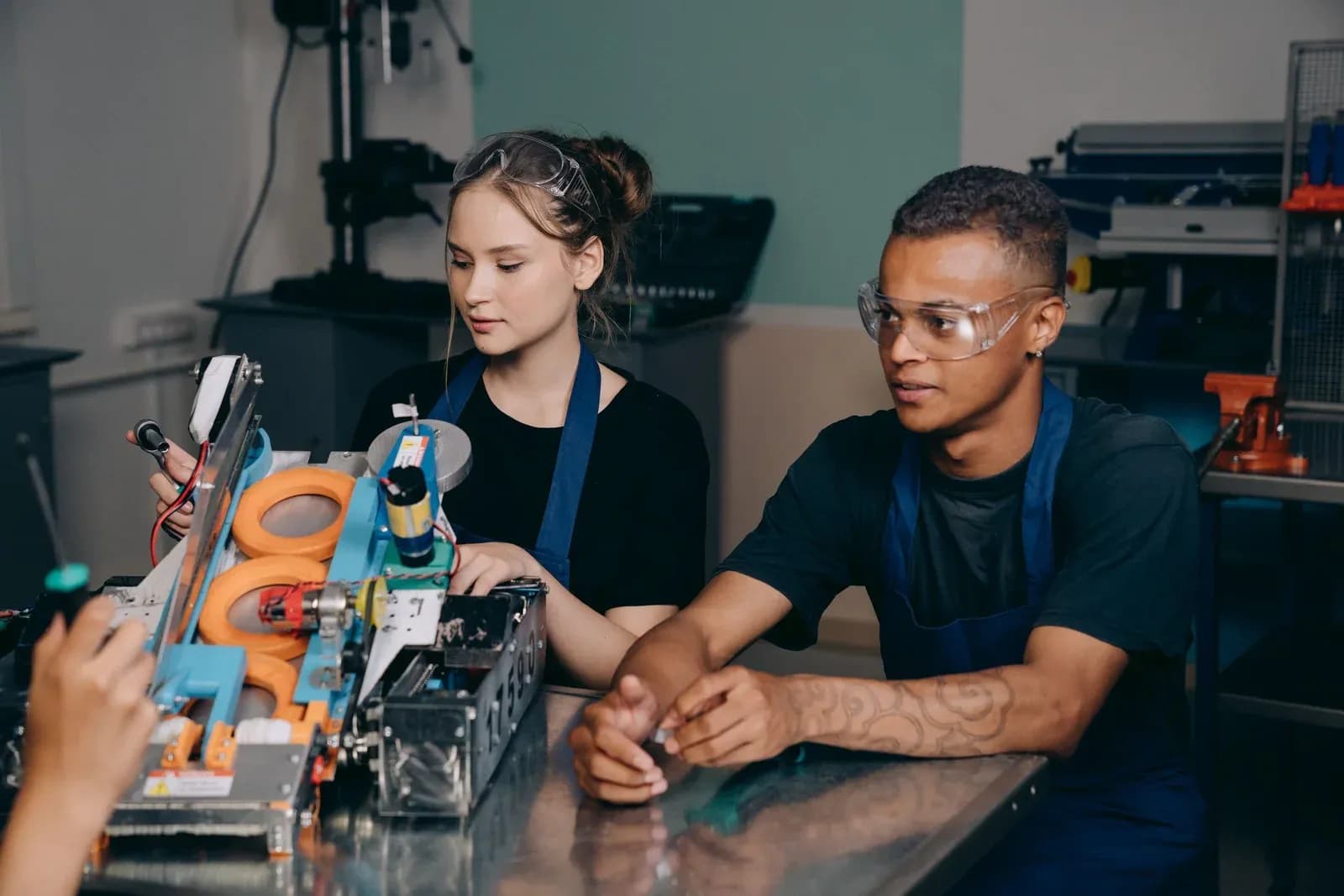
The National Wealth Fund says its money will scale British production, engineering and delivery of UFORCE's MAGURA MV7 and MV11 boats and its NEMESIS strike drones, for the UK, Ukraine and allied countries. More than 70% of the content of each UK-built boat will come from British suppliers, with hulls, engines, electronics and fit-out sourced in the UK. UFORCE will expand its UK footprint, creating what the fund says will be hundreds of high-skilled jobs in engineering, software, artificial intelligence and advanced manufacturing, and will sponsor apprenticeships with British universities and colleges.
The fund is based in Leeds and has £43.2 billion of finance to deploy. It is wholly owned by HM Treasury but operates independently of government, and its investments are meant to earn a return for the taxpayer and draw in private capital. The fund calls the UFORCE investment a concrete outcome of the 100-year partnership between the UK and Ukraine.
Defence Secretary Wes Streeting Steered a MAGURA Boat From More Than 1,500 Miles Away
On 12 November, Streeting piloted a MAGURA MV7 uncrewed surface vessel from the aircraft carrier HMS Prince of Wales in Norway, steering a boat more than 1,500 miles away in the Atlantic near Portugal. National Wealth Fund chief executive Oliver Holbourn and UFORCE chief executive Oleg Rogynskyy were with him.
"This is exactly what the National Wealth Fund was set up to do," Chancellor of the Exchequer John Healey said. Defence Secretary Wes Streeting said: "Bringing battle-tested expertise to the UK will create high-skilled jobs, spur innovation and strengthen our warfighting readiness, enhancing our ability to deter our adversaries."
"The UK was an early supporter of Ukraine's defence technology ecosystem, listening to our challenges and helping us tackle them," Rogynskyy said. "We're pleased that UFORCE can now play a role in helping the UK develop its ecosystem in return."
URIF's Money Will Pay for UFORCE's Staff and Research in Ukraine
URIF's investment will support UFORCE's operations in Ukraine, including staffing, research and development and new products, the company says. The fund was set up under the agreement US Treasury Secretary Scott Bessent signed with Ukraine in April 2025, which Bessent says gives America "a direct stake in Ukraine's long-term peace and prosperity." Its first investment, in March, went to the emerging-technology company Sine Engineering, and its board has since approved deals in critical minerals and energy.
"UFORCE reflects the kind of bold, innovative Ukrainian company URIF is built to support," Coleman said.
UFORCE Brings Together Nine Ukrainian Defence Manufacturers
UFORCE was formed from nine Ukrainian defence manufacturers that had worked together since Russia's full-scale invasion, and moved its headquarters to London partly to protect itself from sabotage, TNW reported in September. Its chairman and co-founder, Oleksiy Honcharuk, was Ukraine's prime minister from 2019 to 2020, and Ben Wallace, the former UK defence secretary, sits on its board. Rogynskyy previously built the sales software company People.ai.
Former NATO Commander Christopher Cavoli Joins the UFORCE Board
Christopher Cavoli, the retired general who was NATO's Supreme Allied Commander Europe and is now a partner at Valor, joins the board with this round. Valor is run by SpaceX board member Antonio Gracias and has also invested in Anduril, Hadrian and Chaos Industries. Menlo Ventures, Xantium and Hiro Capital are new investors in UFORCE, and existing backers Shield Capital, Ballistic Ventures, Lakestar and Squadra increased their stakes.
UFORCE makes MAGURA uncrewed surface vessels, NEMESIS strike drones, LIUT ground robots and PREDATOR counter-drone turrets, along with the command-and-control software that operates them. The company says MAGURA boats have contributed to the destruction of more than a dozen Russian warships in the Black Sea, and that NEMESIS drones have logged more than 300,000 combat flights across more than 100 units.
UFORCE says it will use the new money to spread production across the US, Europe, Asia-Pacific and the Middle East, making its systems close to where they are used. It has a partnership with ReconCraft to make MAGURA boats in the US and is a founding member of the EU-Ukraine Drone Alliance.
It is a UK public finance institution that invests to support the government's growth and clean energy ambitions as well as security and resilience. It can lend, take equity stakes or provide guarantees, and it also lends to local authorities across the UK.
What else has the US-Ukraine Reconstruction Investment Fund invested in?
On 2 October its board approved a critical-minerals platform with Ukraine's BGV Group focused on rare earths, beryllium and zirconium, an equity investment in a combined heat and power platform to restore war-damaged supplies, and debt financing for DTEK's 200 MW battery storage system across six sites in Ukraine.
Every crisis has a before. In the weeks or months ahead of the moment everything breaks, there are almost always signals: a number that keeps moving the wrong way, a customer who goes silent, a colleague who raises the same concern for the third time. Looking back, they seem obvious. At the time, they are buried in the noise of an ordinary working week.
That is why spotting a crisis early is one of the most valuable and least taught skills in leadership, and the need for it is growing. In a global survey of some 2,000 organisations in 42 countries, 96% had faced disruption in the previous two years. The leaders who cope best are rarely those with the most information. They are the ones who see what the data is telling them while there is still time to act.
The collapse of one American bank shows how short that time can be. Silicon Valley Bank took less than 48 hours to die. On 8th March 2023, it announced that it had sold a large portfolio of bonds at a loss of $1.8 billion and needed to raise $2.25 billion in fresh capital. The next day, its customers withdrew $42 billion, nearly a quarter of all its deposits. On 10th March, regulators closed it. Thousands of start-up founders woke to the fear that the money for that month's salaries had vanished overnight.
From the outside it looked sudden. It was not. The bank had invested heavily in long-dated bonds that lost value as interest rates rose through 2022. Its depositors were a small, tightly connected world of venture capital firms and technology start-ups, and many held balances far above the insured limit. Each of those facts was visible for months. What was missing was a leader who read them together and asked what would happen if they all moved at once.
That is the uncomfortable truth about most crises. The warning signs are rarely hidden. They are seen, discussed and explained away.
The Signal Was There All Along
On 29th October 2024, Spain's national weather agency issued its highest warning for the Valencia region early in the day. The regional government's emergency alert reached people's phones at 8.11pm, after floodwater was already pouring through towns south of the city. More than 220 people died. The forecast had done its job. The organisation that had to act on it had not.
Look closely at failures like these and a pattern appears. The information existed, often in more than one place. It reached someone with the power to act. And it sat in a queue behind more familiar business, until the moment for action had passed. Crises seldom begin with a lack of data. They begin with a gap between knowing and doing.
Why Near Misses Feel Like Success
The hardest warnings to hear are the ones that end well. Researchers who studied decision-making at NASA (the National Aeronautics and Space Administration) after the loss of the space shuttle Columbia in 2003 found that people judge a near miss almost exactly as they judge a success. In their experiments, project managers whose risky decisions narrowly avoided disaster were rated about as highly as managers whose missions went perfectly, and far better than those whose identical decisions ended in failure.
Worse, a near miss makes people more comfortable with risk. When luck saves a project, people tend to credit their own skill, so the next decision becomes a little bolder. The danger does not shrink. The sense of danger does.
Columbia itself fits the pattern. Pieces of foam had struck the shuttle on earlier flights without bringing it down, and each safe return made the next strike look less alarming. Every near miss was filed away as proof that the system worked.
The same research offers a way out. In an analysis of two decades of NASA's unmanned missions, near misses were reported far more often when leaders emphasised safety over other goals and stressed how much a project mattered. People notice what their leaders tell them to notice.
The Warnings That Come From Below
The people closest to the work usually see trouble first. In the Post Office Horizon scandal, postmasters reported for years that the computer system was showing shortfalls they could not explain. The public inquiry concluded that senior figures knew the system had faults, yet the organisation went on insisting it was accurate. Hundreds of postmasters were wrongly accused of theft and fraud, and the people raising the alarm were treated as the problem.
Early warnings from the front line rarely arrive as a formal report. They sound like a complaint, a request for help or a colleague who seems difficult. A customer service team notices more angry calls. A finance officer feels uneasy about a supplier who pays later each month. A junior engineer keeps mentioning the same fault. Each one is easy to dismiss on its own. Together, they are often the first chapter of the crisis.
Build an Early Warning Habit
Spotting trouble in time is less a gift than a habit, and it can be built in a few practical ways.
Ask what nearly went wrong. Once a month, ask your team for the moments when luck saved you: the order that almost shipped late, the payment that almost bounced, the mistake caught at the last minute. Treat each one as a free rehearsal for a real failure.
Look for signals that move together. A single warning is noise. Two or three pointing the same way, such as rising costs, a key person looking tired and a large customer going silent, deserve a conversation that week.
Reward the messenger. If people are thanked for bad news, more of it reaches you in time. If they are questioned about their motives, it stops arriving.
Name your own Silicon Valley Bank. Ask which two or three of your weaknesses would hurt most if they struck together, and what you would see first if they began to move.
Think back to the founders checking their accounts in March 2023, wondering whether they could pay their teams. The bank's leaders were not short of information. They were short of the habit of asking what the information meant. That practice costs nothing until the day it saves everything. Before the month is out, ask your team one question: what nearly went wrong this year, and what saved us? The answer is your earliest warning, and it is already in the room.
Crises take away the time to think. What the Hudson River landing and fire commanders teach leaders about deciding fast, and a method for the next hard call.
Most leadership advice assumes there is time to think: to gather the facts, consult the team and weigh the options. Crises take that time away. A supplier collapses, a system fails or a story breaks, and a decision that would normally take weeks has to be made in hours or minutes, with half the information missing and everyone looking at you.
That pressure is where many capable leaders stumble. Some freeze, waiting for a certainty that never arrives. Others grab the first familiar answer without checking whether it fits. Both reactions are human, and both can be overcome with practice. The clearest lessons come from people whose jobs force them to decide in seconds, such as pilots and fire commanders, and from one flight in particular.
About 100 seconds after take-off from LaGuardia Airport on 15th January 2009, US Airways Flight 1549 flew into a flock of Canada geese. Both engines lost almost all their thrust. Captain Chesley Sullenberger had roughly 208 seconds to choose between three options: turn back to LaGuardia, try for Teterboro Airport in New Jersey or put the aircraft down on the Hudson River. He judged that neither airport was within reach. The plane touched the water with its wings level, and all 155 people on board were rescued by boats.
It is one of the best-known decisions in aviation. What happened next is less well known, and it holds the more useful lesson for anyone who leads under pressure.
The Answer That Only Exists in Hindsight
When investigators ran the flight again in simulators, some pilots managed to glide back to LaGuardia. On paper, it seemed, the river had not been the only option. But those simulator pilots turned towards the airport immediately after the bird strike, knowing exactly what had happened and what to do. The investigators concluded that the scenario did not account for real-world considerations, such as the seconds any crew needs to understand that both engines have failed. Allow for that, and the river was the right call.
Every leader falls into the same trap after a crisis. Once the outcome is known, the right decision looks obvious, and the person who made the call is judged against information they never had. The fair test, for yourself and for others, is narrower: was this a sound decision given what could be known in the time available? Leaders who learn to judge decisions that way make faster ones, as they stop waiting for a certainty that will only arrive afterwards.
What Experience Really Does
There is a second lesson inside the cockpit. Sullenberger was not working through a list of options with scores attached. He recognised a situation, tested one course of action in his mind and moved on when it failed.
That is how experienced decision-makers work under pressure. When researchers interviewed fire commanders with an average of 23 years' experience, they expected to find them comparing options before acting. Instead, in more than 80% of decisions, the commanders recognised the situation as a familiar type and acted on the first workable plan, picturing how it would play out and adjusting if it would not work. They did not consider more than one option at a time.
The speed did not come from courage or brilliance in the moment. It came from a store of patterns built over years. That changes how a leader should prepare. The decisions that look instinctive in a crisis are the product of practice, review and honest reflection, done long before the pressure arrives.
Why Pressure Pulls You Backwards
A ticking clock also changes how the brain works. Laboratory studies show that stress shifts thinking away from careful, goal-directed reasoning and towards habit. Under strain, people repeat what has worked before, even when the situation in front of them is new. Habit can save you when the situation really is familiar. It can sink you when it only looks familiar.
Procedures carry the same risk. The investigation into Flight 1549 found that the crew's checklist for losing both engines had been written with a high-altitude emergency in mind, where pilots have far longer to work through it. At low altitude, there was simply not enough time to finish it. Among its recommendations, the investigation called for checklists designed for dual-engine failures at low altitude. Good procedures are invaluable until the situation outruns the assumptions they were built on.
A Method for the Next Hard Call
When time is short, these four steps keep a leader moving without freezing.
Name what is happening. Say it out loud, in one sentence, to yourself and your team. Naming the situation shifts you from shock into thought.
Ask three questions. What do I know for certain? What matters most to protect in the next few hours? What is the smallest action that protects it and keeps my options open?
Choose, then set a check. Make the decision and tell people when you will review it, whether that is in an hour or a day. A planned review lets you act before you are sure without pretending to be sure.
Say why. Explain the intention behind the decision as well as the decision itself. If people know what you are trying to protect, they can adapt sensibly when the situation shifts and you are not in the room.
Then build the store of patterns that made Sullenberger fast. After any difficult week, spend fifteen minutes with your team on three questions: what happened, what did we decide and what would we do differently? Over a year, those conversations become the experience you draw on when the next decision cannot wait.
Think back to that cockpit over New York and the 208 seconds between the geese and the river. The fear of choosing wrongly is real, and it is often what slows leaders down. Yet the greater risk is waiting for an answer that will only become clear afterwards. Choose one decision you are putting off now, ask the three questions and make the call with a date to review it. Certainty rarely arrives in time, so the best leaders learn to act well without it.
It is Wednesday evening, and a friend has just asked about your idea again. You have carried it for two years. You know the name, the customers and roughly what you would charge. You have even bought the web address. But when she asks 'So when are you starting?', you laugh, change the subject and say maybe next year.
On the walk home, you replay the moment. You blamed the timing, the money and the crowded market, and none of it was true. The real reason sits in your stomach as a tight knot and fits into four words: what if it fails?
You are far from alone. In the UK, 63% of women who could see a good business opportunity said fear of failure would stop them pursuing it, against 44% of men. That fear is not a flaw in your character. It is the human mind doing what it evolved to do. Once you understand the science behind it, you can stop obeying it and start working with it.
Why Failure Feels So Dangerous
The mind keeps two sets of books, and they are not balanced. In experiment after experiment, people weigh a possible loss roughly twice as heavily as an equal gain. The sting of losing £1,000 is far sharper than the pleasure of gaining the same amount. When you picture your business, the savings you might lose look enormous, while the income you might gain looks faint and distant.
Failure in public adds a second layer. Brain imaging studies have found that being rejected or excluded activates some of the same regions that register the distress of physical pain. For our ancestors, losing the good opinion of the group could mean losing protection and food, so the alarm was useful. Today it fires when you picture a former colleague hearing that your venture closed, even though nobody's survival depends on it.
Then there is the audience you imagine. In a classic study at an American university, students were asked to walk into a room wearing an embarrassing T-shirt. Afterwards they guessed that about half the people present had noticed it. In fact, roughly a quarter had. We consistently overestimate how closely others watch us, and the people you picture judging your failure are mostly thinking about their own lives.
The Pain You Predict Is Not the Pain You Feel
The second mistake the mind makes is in forecasting. People are poor judges of how bad they will feel after a setback, and how long it will last. In research with junior academics in the United States, those waiting to hear whether they would be given a permanent post predicted that a rejection would leave them unhappy for years. When the decisions came through, those who were turned down were about as happy as those who succeeded.
Psychologists call this the impact bias. We forget that the mind has its own repair system. After a disappointment, we explain it, learn from it, find what it made possible and move on, often faster than we ever expected. The future failure you dread is being judged by a version of you who has not yet had the chance to recover.
This matters for every decision about your idea. If you overestimate the pain of failing, you will always choose the safe option, even when it costs you more.
The Regret Nobody Warns You About
There is a cost on the other side of the scale, and the mind rarely counts it. Research on regret has found a striking pattern over time. In the short term, people tend to regret things they did that went wrong. Over a lifetime, the regrets that linger are more often about things they never tried. Asked to name the biggest regret of their lives, 84% of adults in one small study chose something they had not done.
Later research found the pattern less clear-cut in larger groups, but the opportunity left alone, the course never taken and the business never started still appear again and again among people's deepest regrets. A failure has an ending: you close it, take the lesson and tell the story. An idea you never tested stays open, and you keep wondering.
So when you ask 'What if it fails?', ask the second question too: what if I never find out?
Make the Fear Work for You
You cannot argue fear away, but you can give it less to work with. Start by making it specific. Write down exactly what failure would look like: how much money, how many months, which conversations. Next to each item, write how likely it is and what you would do the day after. Writers in ancient Rome recommended rehearsing the worst outcome in detail for this reason. Once the disaster has edges, it shrinks to its real size, and most of what you dreaded turns out to be survivable.
Then change the name you give the feeling. Most people try to calm down before a stressful moment. In a series of experiments, people who said 'I am excited' before giving a speech or solving difficult problems performed better than those who tried to stay calm. A racing heart is identical whether you call it dread or anticipation, and the name you choose points your attention towards the threat or the opportunity.
Finally, face the fear in small doses. Anxiety eases with repeated, manageable exposure, which is the principle behind the most effective treatments for phobias. Describe your idea to a friend. Ask a stranger who has the problem how she solves it now. Put a simple offer online and see who replies. Each step that ends without disaster teaches your nervous system that the danger was smaller than it felt.
It is natural to feel afraid, and wanting this badly enough to fear losing it is a sign that it matters to you. Many women grew up being praised for getting things right, not for trying something new, and that early lesson can make any failure feel like a verdict on who you are. It is not. A failed attempt is information about an idea, not a measure of your worth.
Tonight, take a sheet of paper and finish one sentence: 'If my idea fails, the worst that happens is…'. Then write what you would do next.
Think back to your friend's question and the laugh you used to dodge it. The knot in your stomach may never fully disappear, and it does not need to. Courage was never the absence of fear. It is acting while you are still afraid, and you can start before the week is out.
AI can draft the perfect reply. It can't tell you the client needs a phone call. The most important leadership decision right now isn't which tools to adopt. It's which judgments to protect.
By Denita Austin
Denita Austin (second from left) on the "Automation vs. Talent" panel at NEXT Conclave 2026 in Dubai Photo: NEXT Conclave 2026, Dubai. Supplied by Denita Austin
I see some version of this moment all the time. A founder is reviewing a reply to one of her longest-standing clients, drafted in seconds by an AI assistant. It's good. It's courteous and accurate, it answers every question, and it proposes a clear next step. She's about to send it.
Then she pauses. Over the past few months, this client's messages have grown shorter. Two meetings have been rescheduled. Nothing has been said outright, but she can feel confidence slipping. The email is correct. It is also the wrong move. What the relationship needs is her voice on a phone call that afternoon.
The software couldn't have known that. Nothing in the thread said it. And that small decision captures the question I hear most from founders right now, in boardrooms, at conferences and over dinner after the panels end: how much of my business can I hand over, and where do I still need to be?
Speed is not the real question
Most conversations about AI in business start with capability: what it can write, summarize, predict and generate. That's understandable. The capabilities are remarkable, and they change month to month. But I've come to believe capability is the wrong place to start. Almost everything can be accelerated now. The more useful question is where speed actually serves you, and where it quietly costs you.
I spoke on this recently in Dubai, in a room full of leaders working through the same tension. What struck me was how little of that conversation was about technology. It was about trust, responsibility and attention. Who decides. Who is accountable. What a business loses when no one is paying close attention anymore.
Where the tools earn their place
Let me be clear: I'm not cautious about AI. I use it, and I encourage the founders I work with to use it well.
Consider a team that spends every Monday morning pulling updates from inboxes, meeting notes and project trackers so they can walk into a planning meeting informed. That's hours of skilled people doing assembly work. A well-configured tool can have that brief ready before anyone sits down.
But notice what the brief doesn't do. It doesn't decide which delay deserves attention. It doesn't know which teammate has the standing to resolve it, or which promise to a client now needs to be renegotiated. Those decisions are the meeting. The value of automation isn't the brief. It's the hour the team gets back to make better decisions with it.
That's the pattern I see again and again. The best uses of AI clear the ground for human judgment. The worst uses quietly replace it, and nobody notices until a client leaves or a team stops raising problems.
Feel is a form of expertise
I also work in creative spaces, where this distinction is sharper still. A tool can generate a hundred visual possibilities for a scene in an afternoon, and that is genuinely useful. But someone still has to decide how the moment should feel, which detail makes it believable, and when to leave something alone. Restraint is a creative decision, and it's not one software makes on your behalf.
The same is true when you bring people together. I've hosted intimate gatherings where the most important design choices were the ones no one noticed: how many chairs are in the room, when the music softens, how long a silence is allowed to sit before someone speaks. Those choices decide whether people feel safe enough to say something true. No template captures that. It comes from experience and from paying close attention to people.
Founders sometimes treat this kind of judgment as the soft part of the business, the instinct rather than the strategy. I'd argue the opposite. When everyone has access to the same tools, discernment becomes the differentiator. It is the one part of your business a competitor can't acquire by subscribing to the same software.
A simple test for the next task on your desk
So where do you begin? Not with a strategy document. Begin with the next task that keeps landing back on your desk, and ask two questions.
First: which part of this is repetitive enough that a system could handle it reliably?
Second: which part keeps returning to me because someone on my team doesn't feel authorized to decide?
The answers point to very different investments. The first may call for automation. The second almost never does. It calls for clarity, trust and the willingness to give someone real responsibility, and then let them use it. Many founders reach for a new tool when what their business actually needs is a delegation conversation they've been putting off.
For anything client-facing, I'd add a third question: if this goes slightly wrong, what does it cost the relationship? Where the answer is "very little," let the tools move fast. Where the answer is "trust," slow down and keep a person in the loop. Often, that person should be you.
What we choose to protect
There's a version of the AI conversation that is entirely about efficiency: fewer hours, lower costs, more output. Those gains are real, and I don't dismiss them. But the leaders I admire most are asking a second question alongside it. Not only what can we hand off, but what are we willing to protect?
For the founder with the polished email, the answer is a twenty-minute phone call. The draft would have been fine. Fine isn't what the moment requires.
That is the work I believe founders should keep human: the judgment calls, the moments of trust, the decisions that need someone willing to stand behind them. Let the tools carry everything else. Your attention is the most valuable resource your business has. Spend it where it matters.
The Father's Birthday Behind International Men's Day
International Men's Day falls on 19th November for two reasons: a Trinidadian lecturer's father was born on that date, and on that date in 1989 a lost football match united his country.
Think of your father's birthday. Perhaps you ring him that morning, as you do every year, and the two of you talk about the weather and the football and say very little of what you mean. Perhaps there is no longer a number to ring, and the date passes with a small ache that nobody else in the room can see. Either way, you carry that date with you, and you always will.
A history lecturer in Trinidad and Tobago carried his father's birthday in the same way, and in 1999 he did something remarkable with it. He gave it to the world. Every 19th November, in more than 80 countries, people now mark International Men's Day, and the date comes from a son's affection for his father and from a football match his country lost 37 years ago.
Why International Men's Day Is on 19th November
In 1999, Dr Jerome Teelucksingh, a lecturer in the Department of History at the University of the West Indies in St Augustine, organised the first modern International Men's Day. He had noticed something missing from the calendar. Fathers had a day, but he asked, 'what about young boys, teenagers and men who are not fathers?'
He chose 19th November for two reasons. The first was personal. It was the birthday of his father, a man he admired for his kindness and resilience. The second belonged to the whole country.
The Night Trinidad Turned Red
On 19th November 1989, Trinidad and Tobago played the United States in Port of Spain in the final round of qualifying for the 1990 World Cup. The home team, known as the Strike Squad, needed only a draw to reach its first World Cup. The government had already declared the following day a national holiday, and the city was dressed in red: shops, cars, houses and a crowd of 35,000 packed into the National Stadium.
In the 30th minute, the American Paul Caligiuri struck a looping shot from distance that beat the goalkeeper, Michael Maurice. The United States won 1-0 and went to Italy. Trinidad and Tobago stayed at home.
What happened next is the part Teelucksingh remembered. The crowd did not riot. The supporters in the stadium were so gracious in defeat that FIFA (Fédération Internationale de Football Association) gave them its Fair Play award for 1989. A country of just over a million people had come together behind its team, and it stayed together after the final whistle. Teelucksingh has said that the match united the people of Trinidad and Tobago more than any other occasion, and ten years later he gave its date to men and boys everywhere.
From Kansas to Port of Spain
Teelucksingh was not the first person to try. An earlier International Men's Day was held on 7th February 1992 in Kansas City, organised by Professor Thomas Oaster of the University of Missouri, Kansas City, but the event faded after 1995. Calls for a day for men go back further still, to the 1960s.
The Trinidad version lasted where the others did not, and Teelucksingh set out from the start to make it a day of cooperation rather than competition. He has called it part of a global love revolution. Malta, which had held its own men's day in February, moved to 19th November in 2009, and the observance now reaches every continent. This year was its 28th.
The Six Pillars of International Men's Day
The day rests on six aims, which organisers call the Six Pillars. The first is to promote positive male role models, and the organisers mean ordinary men leading decent, honest lives, not only film stars and sportsmen. The second is to celebrate the contribution men make to society, family, caregiving and the environment.
The third pillar is men's health and wellbeing, in every sense: social, emotional, physical and spiritual. The fourth is to highlight discrimination against males, whether in social services, public attitudes, expectations or the law. The fifth is to improve relations between men and women and to promote equality between them. The sixth is to create a safer, better world, where everyone can feel safe and reach their full potential.
Taken together, the pillars explain why the day can feel unfamiliar. It is a celebration and a warning in the same breath. You are asked to honour the men who hold families and communities together, and also to look hard at the suicide figures, the life expectancy gap and the boys who are falling behind at school.
How to Mark International Men's Day
Marking the day takes very little, and you do not have to wait for the date to come round again. Thank a man who shaped you, out loud, this week. Call a friend you have not heard from in a while and ask him how he is, then wait for the real answer. If you lead a team, ask the men in it whether they have the support they need at work and at home. If you are a father, tell your son what you admire about him, and be specific.
Teelucksingh built a global observance from two things he loved: his father and his country. Neither one needed a trophy to earn his loyalty. Somewhere in your life there is a man who earned yours, and a date you carry for him. Do not leave it to the calendar. Find him, and tell him while you still can.
FAQ
Why is International Men's Day on 19th November?
International Men's Day is on 19th November since its founder, Dr Jerome Teelucksingh of Trinidad and Tobago, chose his father's birthday as the date. The date also marks 19th November 1989, when Trinidad and Tobago's football team brought the country together in its bid to qualify for the 1990 World Cup.
Who started International Men's Day?
Dr Jerome Teelucksingh, a history lecturer at the University of the West Indies in Trinidad and Tobago, started the modern International Men's Day in 1999. An earlier version was held in Kansas City in 1992 by Professor Thomas Oaster, but it did not continue after 1995.
What are the Six Pillars of International Men's Day?
The Six Pillars are to promote positive male role models, to celebrate men's positive contributions, to focus on men's health and wellbeing, to highlight discrimination against males, to improve gender relations and promote gender equality, and to create a safer, better world.
What is the difference between International Men's Day and Father's Day?
Father's Day celebrates fathers and father figures. International Men's Day covers all men and boys, including those who are not fathers, and focuses on health, wellbeing, positive role models, discrimination against males and relations between men and women.
The United Nations marks days for women, girls, football and asteroids, but none for men or boys. The reasons International Men's Day deserves its place run from the hospital ward to the classroom.
On 19th November, the United Nations marks World Toilet Day. On the same date, in more than 80 countries, families, schools, employers and charities mark International Men's Day, and the UN does not mark it at all. The organisation observes no day for men or boys. Campaigners count 13 for women and girls, from International Women's Day in March to the International Day of the Girl Child in October.
Every one of those days for women exists for a good reason. Each rests on the same principle: people who face particular harm deserve the world's attention. That principle does not stop at half of humanity. This year, the organisers of International Men's Day are asking the UN to recognise it for the first time, and the reasons they are right reach into every part of a man's life, from the delivery room to the hospital ward, from the classroom to the doorway where he may one day sleep.
A Day That Takes Nothing From Anyone
Recognition is not a contest. A day for men takes nothing from a single day for women, any more than a day for fathers diminishes a day for mothers. The UN finds room on its calendar for asteroids, for football and for toilets. Half of the human race is not too much to ask.
International Men's Day is not a new idea in search of a sponsor. It began in 1999 in Trinidad and Tobago, when a history lecturer, Dr Jerome Teelucksingh, chose the birthday of his father as its date. It came from a small Caribbean nation, not a powerful capital, and it has since spread to every continent. This Thursday will be its 28th year.
Its founder built it on cooperation rather than grievance. 'When we help men... women benefit,' he has said, and the day's own aims prove the point. One of its six pillars is to improve relations between men and women and to promote equality between them, which is precisely the UN's own goal. This year's theme, 'The Future Is Everyone', leaves nobody out. The UN already invites men to act for equality through UN Women's HeForShe movement. It is time it stood up for men as well.
The Years Men Lose
Start with the most basic measure of all: how long you live. Worldwide, men live about five years less than women, 71 years against 76 in 2023, and that gap has barely moved since 1950. The World Health Organization reports that 33 of the 40 leading causes of death take more years of life from men than from women. Where men and women face the same disease, men are less likely to seek care. In England, the government's own strategy admits that men's healthy life expectancy has fallen by a year and a half in a decade.
Some of the harm is specific to men. One man in eight in the UK will be diagnosed with prostate cancer, and one Black man in four. It is now the most commonly diagnosed cancer in the UK, and it kills more than 12,000 men a year, yet there is still no national screening programme to catch it early.
A date on the calendar changes behaviour. England published its first Men's Health Strategy on International Men's Day 2025, proof that the day already moves governments. Australia, Brazil, Ireland, Malaysia, Mongolia, South Africa and Iran have all developed national men's health policies, and a UN day would encourage others to follow. Health ministries plan around the calendar, and a recognised date would give every one of them a fixed moment each year for checks and campaigns. For one man, it might simply be the nudge that gets him to book the appointment he has put off for years.
The Silence Men Carry
Worldwide, men die by suicide at more than twice the rate of women: 12.3 deaths per 100,000 men in 2021, against 5.6 for women. In England and Wales, the gap is wider still, at 17.5 per 100,000 men against 5.5 per 100,000 women, and men have accounted for around three in every four suicides since the mid-1990s.
Behind those figures sits a habit of silence that starts early. Boys and girls cry about as often as each other until the age of eleven or twelve. By adulthood, six in ten British men say they tend to keep their feelings to themselves, and a YouGov poll this year found that only 30 per cent of British men had cried in the previous month, while nearly one in five had cried just once in a decade. The silence is learned, and what is learned can be unlearned.
Grief shows the cost most clearly. In a survey by the charity Sue Ryder, more than half of bereaved men said they had bottled up their feelings from the people closest to them, and 41 per cent said they could not have got through without alcohol or drugs. In the year after losing a spouse, men have been found to be 70 per cent more likely to die than men of the same age who were not widowed. For women, the figure was 27 per cent. We know that asking a man directly whether he is thinking about suicide does not put the idea in his head and can protect him. A global day could teach that simple lesson to millions.
The Dangers Men Face
Violence falls hardest on men. In England and Wales, seven in ten homicide victims are male, 366 of 522 in the year to March 2025, and the homicide rate for men is 12.3 per million against 5.0 for women. Among adult male victims, one in five was killed by a friend or acquaintance and nearly one in five by a stranger. Violence between men is a public problem, and it deserves public attention.
There is hope in the same figures. Teenage homicides fell from 66 to 34 in a single year, the lowest since 2013, and knife homicides fell by 21 per cent, almost entirely among men. Prevention works. Youth workers placed in hospital emergency departments, cognitive behavioural therapy and focused deterrence all show strong results, and structured mentoring reduces youth violence by about a fifth. Boot camps and scare programmes, by contrast, increase offending. Boys need relationships, not humiliation. A UN day would carry what works across borders.
Some dangers stay hidden. About 1.5 million men in England and Wales experienced domestic abuse in the year to March 2025, nearly two in every five victims. One in five male victims of partner abuse told nobody at all, and many do not recognise coercive control or financial abuse as abuse in the first place. In September 2025, the whole of the UK had 429 refuge or safe accommodation spaces for men, and only 130 of them were for men alone. In the year to March 2025, 36 men and 75 women died in domestic homicides in England and Wales. Every one of those deaths deserves to be counted and prevented, and a global day can give the hidden part its name.
At the margins, the picture is starker still. A record 4,793 people slept rough in England on a single night in autumn 2025, and 3,938 of them, 82 per cent, were men. Most were over 26 and nearly two in three were British: men who not long ago had ordinary lives. In research by the charity Crisis, about half of people sleeping rough had been through a family breakdown before they reached the street, and about nine in ten had suffered violence, abuse or theft once they were there. A single man leaving the family home is rarely treated as a priority for housing, and men leaving prison or the armed forces too often walk out with nowhere to go. About 96 per cent of prisoners in England and Wales are men. Keeping boys out of prison and bringing men home from the street makes everyone safer.
The Boys Falling Behind
The UN rightly tracks girls' education across the world, where too many girls are still kept out of classrooms. In much of the developed world, the gap now runs the other way, and boys deserve the same lens.
In England, about six in ten boys reach a good level of development by the end of their first school year, against about three in four girls. Among children on free school meals, only 43.5 per cent of boys reach it. In this summer's GCSEs, 73.7 per cent of girls' entries achieved a grade 4 or above, against 67.8 per cent of boys'. On A-level results day, 251,580 women had secured a university place through UCAS, against 188,660 men. Boys are more than twice as likely as girls to be permanently excluded from school, and only about a quarter of boys aged 8 to 18 say they enjoy reading. By 14 to 16, fewer than one in five does.
The encouraging part is that attention works. The GCSE gap has narrowed every year since 2019. Few primary school teachers are men, and a day that celebrates male role models could draw more of them into the classroom, where boys can see that learning is something men do.
The Care Men Give
International Men's Day was never only about problems. Its second pillar celebrates men's contribution to society, family, caregiving and the environment, and that contribution is larger than most people imagine.
About two million men in England and Wales care for someone without pay, and around a million of them do it while holding down a job. Working fathers in the UK spent 39 minutes on childcare for every hour working mothers spent in 2022, up from 32 minutes in 2014 and 2015. Men and women in England take part in formal volunteering at the same rate. A boy who watches his father cook, comfort and clear up learns that care is part of strength, and a man who sees that his care is valued has every reason to give more of it. Many men show love through what they do, the fence they mend, the eulogy they write, the car they restore, and those ways of caring deserve recognition too.
The day was created, in its founder's words, for boys, teenagers and men who are not fathers as well as for those who are. Its first pillar honours ordinary men living decent, honest lives, the role models every country already has.
The Work Men Do
Some contributions come at a heavy price. In Great Britain, 118 of the 124 workers killed at work in 2024 to 2025 were men, 95 per cent, and construction, agriculture, forestry and fishing accounted for nearly half of those deaths. Men keep the lights on, the roads open and the food arriving, and their work is rarely thanked.
Men also hold each other up when they are given the space. Men's Sheds, community workshops where men work side by side, have spread from Australia to Ireland and the UK. Mentoring helps the mentor as much as the younger man: in one five-year workplace study, mentors were promoted six times more often than colleagues who did not mentor. Every man has learned something the hard way that a younger man needs to hear, and a global day gives him a reason to say it.
Even the date carries that spirit. On 19th November 1989, Trinidad and Tobago lost the match that would have taken it to its first World Cup, and its supporters were so gracious in defeat that FIFA gave them its Fair Play award. A nation of men and women stood together in loss as well as hope. That is the day the UN has yet to recognise.
What a UN Day Would Change
The cost of recognition is a page of text. A General Assembly resolution and one government willing to propose it would be enough. Campaigners are also asking the UN to report outcomes for males and females separately across its programmes and the Sustainable Development Goals, which already track health and education. Splitting the results by sex costs little and reveals a great deal, and what is measured gets funded, while what is never measured stays invisible.
A UN date would give every ministry, school and employer a fixed moment each year to act. It would help countries without a men's health policy to start one, and it would strengthen the hand of every charity working with men when it seeks support. International Women's Day began as a grassroots movement before the UN began marking it in 1975, and International Men's Day deserves the same path. Official recognition would also answer the eye-roll that still greets the day in some quarters. It would show men that their problems are real, and it would show boys that the world has noticed them.
Why It Matters to Every One of Us
The future is not better for women if their sons, brothers, partners and fathers die young. When men are healthy, families are stronger and children do better, which is why the day's founder has always seen it as a gift to women as well as men. A day marked by men and women together would model the very cooperation the UN was created to build.
The UN's founding charter speaks of the equal rights of men and women. For 81 years, the organisation has worked to make the second half of that phrase real, and that work is far from finished. The first half deserves a day too. Men belong on the UN calendar for the simplest reason of all: they belong to the human family the UN exists to serve. Until the General Assembly finds them a place, 19th November belongs to every man and boy who has ever needed to be seen. Mark it anyway.
FAQ
Is International Men's Day recognised by the United Nations?
International Men's Day is not recognised by the United Nations. It is observed every year on 19th November in more than 80 countries by governments, schools, employers and charities, but it does not appear on the UN's official list of international days. The UN marks World Toilet Day on the same date.
How many UN days are there for women?
Campaigners for International Men's Day count 13 days on the UN calendar dedicated to women and girls, including International Women's Day on 8th March, the International Day of the Girl Child on 11th October and the International Day for the Elimination of Violence against Women on 25th November. The UN observes no day dedicated to men or boys.
Why is International Men's Day important?
International Men's Day draws attention to issues that affect men and boys, including shorter life expectancy, higher suicide rates, violence, homelessness and falling behind at school. It also celebrates men's positive contributions to family, community and society, and promotes positive male role models and better relations between men and women.
How does the UN create an international day?
The UN General Assembly creates an international day by adopting a resolution. A member state usually drafts the resolution, other countries co-sponsor it and the Assembly approves it, often by consensus. Campaigns by charities and individuals can build support, but a government has to propose the day formally.
Strength used to mean never showing doubt. The men people follow today admit their mistakes, stay steady under pressure and ask for help early, and their teams and families do better for it.
Think of the man who taught you what strength was. Perhaps it was your father, standing at the kitchen sink on the night he lost his job and saying that everything was fine. Perhaps it was a grandfather who never once admitted he was afraid, or a coach who told you that boys do not cry. You watched him carry everything alone, and you learned that this was what a man did.
Now think of the moment you remember him best. It is rarely the moment he was hardest. It is the afternoon he sat on the edge of your bed and said he was sorry. It is the one time his voice broke at a funeral, or the day he asked you for help with something he could not manage alone. That was the moment you felt closest to him, and it was the moment you trusted him most.
You have carried both lessons ever since. One says that a strong man shows nothing. The other, the one you felt in your chest, says that the strongest thing he ever did was let you in. The first lesson costs men their health, their friendships and the trust of the people they lead. The men who are strong in the way that counts live by the second, and you can learn everything they do.
Admitting Mistakes at Work
Picture a Monday morning after a project has failed. Six people sit around the table, and each of them is working out how much of the blame will land on their desk. The man at the head of the table closes his laptop and speaks first. 'That was my call,' he says. 'I pushed us to launch early and I was wrong. Let us work out what we learned.' Shoulders drop. A colleague who has said nothing for a month offers the detail that explains what went wrong. Nobody leaves that meeting thinking less of him.
Say 'I was wrong' early and in plain words, as he did. Do not wrap it in an excuse, and do not wait until somebody else finds the error.
It feels like a risk, and the evidence points the other way. When Google studied around 180 of its own teams to find out why some outperformed others, the strongest predictor of success was not talent, seniority or experience. It was whether people felt safe to speak up, ask questions and admit mistakes without being humiliated. That feeling starts with the person in charge. Once you have said 'I got that wrong' in front of your team, everyone else has permission to bring you the truth while there is still time to act on it.
There is also a gap you may not see from where you sit. In a PwC survey of American businesses, 86 per cent of executives said their employees trusted the company highly. Only 67 per cent of employees said the same. A leader who is never wrong in public is usually the last to find out what his people think.
Staying Calm Under Pressure
Strength under pressure is often confused with showing nothing. The two are different, and they affect your body in different ways.
When you swallow what you feel in a tense conversation and hold your face still, your blood pressure climbs. Laboratory studies have found that the blood pressure of the person opposite you climbs as well. People can sense that something is being held back, even when they cannot name it, and they trust you less for it.
You can do something harder than hiding. Name what is happening and stay steady while you do it. 'I am angry about this, and I do not want to decide anything while I am angry. Give me until tomorrow morning.' That sentence does not make you look weak. It shows everyone in the room that the pressure has not taken the wheel from you.
Slow your breathing before you answer. Lower your voice when others raise theirs. Ask one more question before you give your view. Calm of this kind spreads through a room as fast as panic does, and the people around you will take their lead from you.
Asking for Help Early
Many men treat asking for help as the last resort. Research for the health watchdog Healthwatch England, published in November 2025, found that only about half of men would see a doctor about their mental health. Men were also less likely than women to turn to friends and family for support, at 38 per cent against 45 per cent.
Waiting does not make a problem smaller. It makes it more expensive, whether the problem is a pain in your chest, a debt, a marriage under strain or a business decision beyond your experience. Ask while the problem is still small. Treat advice the way a good captain treats a weather report, as information you would be foolish to sail without.
Asking also does something for the person you ask. You are showing another man that you trust his judgement, and you are making it easier for him to come to you when his own turn arrives.
Keeping Promises and Sharing Credit
Grand gestures are rare, and they are not what people remember about you. They remember whether you called when you said you would, whether you arrived at the school play and whether the thing you promised on Tuesday was done by Friday.
Trust is built from kept promises that are almost too small to notice. Each one shows the people who depend on you that your word and your actions match. Promise less than you could and deliver all of it. When you cannot keep your word, say so before the deadline and not after it.
The same generosity applies to credit. The weakest man in any room is usually the one who needs everyone to see how strong he is. He interrupts, takes the credit and keeps score. You have nothing to prove, so you can afford to give the credit away and name the junior colleague whose idea it was. Listen until the other person has finished. Make time for a younger man who stands where you once stood, and give him a true account of what lies ahead.
The longest study of men's lives ever carried out has followed the same group of Americans since 1938. Money, fame and professional success did not predict which of them would be healthy and content at 80. The warmth of their relationships did. The men with the closest relationships at 50 were the healthiest three decades later.
Think again of the man who taught you what strength was, and of the moment you remember him best. He was not weaker in that moment. He was telling you the truth, and you loved him for it.
Somebody is watching you now the way you once watched him. It may be a son or a daughter, a younger colleague or a friend who believes you have everything in hand. They are learning what a strong man does from what you do this week. Tell the truth when it costs you. Stay calm when it counts. Be generous when nobody is keeping score. Then, at the next chance you get, say the sentence he found so hard to say: 'I was wrong, and I am sorry.' It will be the moment they remember you by.
Two million men in England and Wales look after someone without pay, and working fathers now do far more childcare than a decade ago. It is time somebody noticed.
Think of the man who looked after someone you love. Perhaps it was your father, learning at 70 to wash your mother's hair when her hands could no longer manage it. Perhaps it was your brother, walking the landing at three in the morning with a feverish baby on his shoulder so that his wife could sleep. Perhaps it was you. He did not call it caring. He did not call it anything, and it is likely that nobody ever thanked him for it.
There are millions of men like him. This morning, a man in his sixties helped his wife out of bed, sorted her tablets into the right compartments and made her breakfast before driving to work. Somewhere else, a father finished a night feed, changed a nappy and joined a video call at nine. Neither of them will appear in a news bulletin. Both of them are the reason International Men's Day exists.
Two Million Men Who Care Without Pay
The 2021 Census found about two million male unpaid carers in England and Wales: men looking after a partner, a parent, a child with a disability or a friend who could not manage alone. Around one million of them were holding down a job at the same time. Among men in England, those aged 60 to 64 were the most likely to be caring, at 13 per cent.
Women still provide more unpaid care, and nobody disputes that. The men who do it, however, are often invisible, even to themselves. Many do not call themselves carers at all. They describe what they do as being a husband, a son or a decent neighbour, and so they rarely ask for the support, the breaks or the carer's assessment they are entitled to. If that sounds like you, the word carer applies to you, and so does the help that comes with it.
Fathers Doing More of the Childcare
The second change has happened inside the family home. Official time-use figures show that in 2014 and 2015, working fathers in the United Kingdom spent 32 minutes on childcare for every hour working mothers spent. By 2022, the figure had risen to 39 minutes. The gap has not closed, but it is closing, and the direction is clear.
Behind that number are school runs, bath times, homework at the kitchen table and parents' evenings that fathers once left to someone else. The men doing it are reshaping what a boy grows up believing a man does. A son who watches his father cook, comfort and clear up learns that care is part of strength rather than a departure from it.
Men Who Hold Communities Together
Look beyond the home and the picture widens. In England, men and women take part in formal volunteering at the same rate: coaching the under-elevens on a Sunday morning, running the scout troop, driving neighbours to hospital appointments, sitting as school governors and staffing the lifeboat station. The second pillar of International Men's Day exists to celebrate exactly this: the contribution men make to society, family, caregiving and the environment.
Most of these men will never be called role models, and that is the point the first pillar makes. Positive male role models are not only footballers and film stars. They are the grandfather who taught you to tie a tie, the manager who backed you when you made a mistake and the friend who turned up with a van on moving day.
Why Recognition Matters
Celebrating men's care is not a contest with women's care. The case for it is practical. A man who sees that caring is valued has every reason to take it on, to ask for help when it becomes too much and to raise sons who do the same. A man who believes that nothing he does at home or in the community counts is left to measure himself by his pay packet alone, and that measure fails him the moment the job is threatened.
Every man you know is carrying something you do not see: a parent who no longer recognises him, a child who needs him at three in the morning, a team that would fall apart without him. Go back to the man you thought of at the start. If he is still here, ring him this week and tell him that you saw what he did. It may be the first time anyone has.
FAQ
How many men are unpaid carers in the UK?
The 2021 Census found approximately two million male unpaid carers in England and Wales, compared with about three million female unpaid carers. Around one million male carers were also in paid employment. Men aged 60 to 64 were the age group of men most likely to provide unpaid care.
Do fathers do more childcare than they used to?
Fathers in the United Kingdom do more childcare than they did a decade ago. Official time-use figures show that working fathers spent 32 minutes on childcare for every 60 minutes spent by working mothers in 2014 to 2015, rising to 39 minutes in 2022. Mothers still do more childcare on average.
What are positive male role models?
Positive male role models are men whose everyday conduct shows boys and young men a healthy way to live, such as fathers, grandfathers, teachers, coaches, managers and friends. International Men's Day encourages people to recognise ordinary men leading decent, honest lives, not only celebrities and sports stars.
What does International Men's Day celebrate?
International Men's Day, on 19th November, celebrates the positive contribution men and boys make to society, family, caregiving and the environment. It also draws attention to men's health and wellbeing, discrimination against males and relations between men and women.
Many men meet loss by fixing, building and working rather than crying. That way of grieving can heal you or hide you, and the difference lies in what the work is for.
Some men cry at the funeral. Many more spend the following week rebuilding the garden fence, sorting the probate papers and answering every email before anyone else in the house is awake. To the people around them, it can look as if nothing has happened. To the man holding the drill, the work is the only way he has found to carry what has happened.
If that man is you, you have probably been told, kindly or otherwise, that you need to open up. You may have started to wonder whether something is wrong with you. Nothing is. You are grieving in a recognised way, and once you understand how it works, you can make it work for you rather than against you.
What Instrumental Grieving Looks Like
Bereavement counsellors describe two broad styles of grief. Intuitive grievers feel loss in waves of emotion and ease it by crying and talking. Instrumental grievers process loss through thought and physical action. They gather information, make decisions, take on tasks and channel what they feel into something they can do with their hands or their minds.
Most people sit somewhere between the two, and personality shapes the style as much as gender does. Men, however, lean towards the instrumental end far more often. The man who organises the funeral down to the order of the hymns, who restores the car his brother loved, who plants a tree where his mother used to sit, or who runs further every morning in the months after a death is not avoiding his grief. He is doing it.
Writing a eulogy for your father is one of the clearest examples. You gather the stories, you test them on your sister, you choose the joke he told at every Christmas and you cut the parts he would have hated. Hours of that work are hours spent in his company. Many men find that the eulogy says more than they could ever have managed across a kitchen table.
How Social Conditioning Shapes Men's Grief
Babies and young children cry with no real difference between boys and girls. The gap opens at around the age of eleven or twelve, and it opens through boys crying less rather than girls crying more. By then, many boys have heard some version of the same instructions: big boys do not cry, toughen up, be brave for your mum. Some hear it from a coach at the side of a pitch, some from older boys at school and some from a father who heard it from his own.
The lessons last into adulthood. A YouGov poll published in February found that only 30 per cent of British men had cried in the month before the survey, against half of all Britons, and nearly one in five men said they had cried just once in the last decade. Separate YouGov research for International Men's Day found that 60 per cent of British men tend to keep their feelings to themselves.
Grief exposes this conditioning more than any other experience. When a father dies, his son is often told that he is now the man of the family, and he spends the funeral looking after everyone else. Many men learn to hold their grief in until the guests have gone, and then find that the moment when it feels safe to let it out never arrives. Work becomes the acceptable place to put it, and so does the toolbox.
None of this means instrumental grieving is a disguise. Many men are drawn to action by temperament as well as training, and the style would exist even in a world that had never heard the words 'man up'. Conditioning does something narrower and more damaging: it removes the other options. A man who can fix the fence and also cry in front of his brother has a full set of tools. A man who learned at twelve that tears are shameful has only one, and he will use it on everything.
Why Action Helps You Carry Loss
A death takes control away from you in an instant. A task gives a measure of it back. A fence has a beginning, a middle and an end, and grief has none of those, so finishing something real gives your mind a shape to hold on to when everything else feels formless.
Physical effort also helps the body. Loss floods you with stress hormones, which is why bereaved people so often feel exhausted and wired at once. Walking, running, digging and lifting burn off some of that charge and make sleep easier to reach. If you have wondered whether exercise can help with grief, the answer is yes, provided it sits alongside your grief rather than replacing it.
Action also opens a door to conversation that a direct question often closes. Many men talk most freely side by side rather than face to face: in the car, at the workbench, on a long walk. Your oldest friend may never ask you how you are feeling, but if he spends a Saturday helping you clear your father's garage, the stories will come out between the boxes.
When Keeping Busy Turns Into Avoidance
The same instinct that helps you can also hide you. The difference lies in purpose. A task connected to the person you lost keeps you in contact with the loss, even when you never say a word about it. Activity designed to stop you feeling anything at all does the opposite.
The warning signs are familiar to anyone who has watched a friend go under. You work late every night, months after the funeral, and dread the weekend. You drink more than you did. You take risks on the road or with money that you would once have called foolish. You find yourself angry at small things, and you cannot say the person's name without changing the subject.
Men are particularly exposed here. A survey of bereaved men by the UK charity Sue Ryder found that 52 per cent had bottled up their feelings from the people closest to them, and 41 per cent said they could not have got through their bereavement without alcohol or drugs. Men are also far less likely than women to use counselling or bereavement groups, and many arrive only when a partner or a doctor insists.
Grief is physical as well as emotional, and the stakes are higher than most men assume. A large study following bereaved people in Denmark, the UK and Singapore found that, in the year after losing a spouse, men were 70 per cent more likely to die than men of the same age who had not been widowed. For women, the figure was 27 per cent.
How to Grieve Well as a Man
Healthy grieving moves back and forth between two kinds of time. In one, you face the loss directly. In the other, you rebuild your life around it. Instrumental grievers tend to be strong at rebuilding and weak at facing, so the most useful thing you can do is make deliberate room for the second kind of time without forcing yourself into a style that does not fit you.
Choose tasks that have a finish line and a link to the person. Commission a memorial bench in the park where she walked the dog. Restore his watch. Write down the stories your children are too young to remember, so they have them when they are older. Each of these gives you a reason to think about the person you lost, on your own terms, for a fixed stretch of time.
Invite someone in. Ask your brother to help with the car, or ask a friend to walk the route your father loved. You do not need to plan a conversation. The shared work will usually bring one.
Tell the people around you what you are doing. A single sentence such as 'Building this is how I am dealing with it' can stop a partner from reading your calm as coldness and save you from a great deal of pressure to grieve in a way that is not yours.
Look for support that suits your style. Cruse Bereavement Support offers free help to anyone who is grieving across the UK, and men's walking groups, Men's Sheds and activity-based peer groups give you company without asking you to sit in a circle and share. If you notice the warning signs above in yourself, speak to your GP. Asking for help at that point is one more practical decision, and you are good at those.
On International Men's Day this Thursday, you will hear a great deal about men needing to talk more. Talking matters. So does the fence, the eulogy and the car in the garage that runs again for the first time in years. Build what you need to build. Just make sure that, somewhere along the way, you also tell someone why you are building it.
FAQ
What is instrumental grieving?
Instrumental grieving is a way of processing loss through thought and physical activity rather than through open displays of emotion. Instrumental grievers tend to gather information, make practical decisions and take on meaningful tasks, such as organising a funeral, writing a eulogy or completing a project the person started. It is a recognised and healthy style of grief, although people who grieve this way are sometimes wrongly seen as cold or in denial.
How do men grieve differently from women?
Men and women feel loss with the same depth, but they often express it differently. Men lean more often towards action, problem-solving and private reflection, while women more often lean towards talking and sharing emotion. These are tendencies rather than rules, and many men and women grieve in a mix of both styles. Men are also less likely to use formal bereavement support, such as counselling or support groups.
Can exercise help with grief?
Exercise can help with grief. Physical activity reduces the stress hormones that loss releases, improves sleep and gives structure to days that can feel shapeless after a death. Walking, running, swimming or working outdoors can also create space to think about the person who died. Exercise works best alongside other support, such as time with friends or bereavement counselling, rather than as a way to avoid feeling the loss.
How long does grief last?
Grief has no fixed timetable. The most intense feelings often ease over the first months or years, but many people find that grief changes shape rather than ending, and anniversaries or reminders can bring it back strongly. If grief stops you working, sleeping or looking after yourself many months after a death, or if you are relying on alcohol or drugs to cope, it is worth speaking to your GP or a bereavement service such as Cruse Bereavement Support.
Why Men Abused at Home Stay Silent, and How You Can Help One Speak
About 1.5 million men in England and Wales experienced domestic abuse in a single year, and one in five of those abused by a partner told nobody. Here is how to recognise it, where a man can turn and what to say to a friend.
He has a story ready for every mark. The scratch on his neck came from the cat. The bruise came from a cupboard door. He can no longer come to five-a-side on Thursdays, he says, as work has been busy. You have known him for 20 years, and you have noticed that he reads his phone with something close to dread, that he never seems to carry his own bank card and that he laughs a little too quickly when anyone asks how things are at home.
You have a feeling you cannot name. He has a secret he is certain nobody would believe. Perhaps you are the friend in this story, or perhaps you are the man with the stories. Either way, this piece was written for you, and the first thing it has to say is that he is not alone and neither are you.
The Men Behind the Figures
In the year to March 2025, the Office for National Statistics estimated that 1.5 million men and 2.2 million women aged 16 and over experienced domestic abuse in England and Wales. Nearly two in every five victims were men. Charities that work with male victims say that about one man in five will be abused by a partner or a family member at some point in his life.
None of this takes anything from women, who are abused in greater numbers and are killed more often. In that same year, 75 women and 36 men died in domestic homicides. Two truths can stand side by side. Women need every refuge bed and every helpline they have, and a man who is being hurt at home needs to be believed as well.
The abuser may be a wife, a girlfriend, a husband, a boyfriend or a relative. What the men have in common is the shape of what is done to them, and very often it leaves no bruise at all.
Why He Says Nothing
Fewer than one in five victims of partner abuse, men and women together, report it to the police. Among men abused by a partner, one in five tells nobody whatsoever: not a brother, not a friend, not a doctor.
The reasons are easy to understand once you put yourself in his place. He was raised to believe that a man protects his family and can look after himself, and he is ashamed that he cannot make it stop. He is afraid that people will laugh. He is afraid that the police will take him for the aggressor. Above all, if he is a father, he is afraid of losing his children, and he has often been told that he will.
Many men also do not recognise what is happening as abuse. They picture domestic abuse as a black eye, and they do not see it in a partner who controls every pound they earn, reads every message, decides which friends they may see, mocks them in front of the children or threatens to ruin them if they leave. That pattern has a name, coercive control, and it has been a crime in England and Wales since 2015. A man does not have to be hit to be a victim, and he does not have to wait until he is hit to ask for help.
Where a Man Can Turn
Two national helplines exist for exactly this call. The ManKind Initiative runs a confidential helpline for men anywhere in the United Kingdom on 0808 800 1170, open on weekdays from 10.00 AM to 4.00 PM. The call is free and does not appear on a phone bill. The Men's Advice Line, run by the charity Respect, is on 0808 8010327 from Monday to Friday, 10.00 AM to 5.00 PM. In the year to March 2025 it was contacted 43,548 times, by phone, email and webchat, which was 6 per cent more than the year before. Both lines also welcome calls from worried friends, relatives and colleagues.
If you are in danger now, call 999. Outside helpline hours, your doctor can record injuries and refer you for support, and telling your doctor creates a record that may matter later.
It helps to call early and not at the moment of crisis. In September 2025, the United Kingdom had 429 places in refuges and safe accommodation that would take men, and only 130 of them were kept for men alone. The people who answer the helplines know what exists near you, and they can talk you through a plan long before you need a bed. In the meantime, keep a record of dates, photographs and messages somewhere your partner cannot reach, such as an email account opened on a computer at work or a notebook left with someone you trust.
What to Say to a Friend
If you are the friend, you do not need to be an expert. You need a private moment and one honest sentence. Choose a place where he cannot be overheard, away from his home and his phone, and say what you have seen: 'You have not seemed yourself for a while, and I am worried about you. Is everything all right at home?'
Then let him answer in his own time. He may deny it, change the subject or make a joke of it, and that is not failure. You have shown him a door, and he will remember where it is. If he does talk, believe him. Do not laugh, do not ask why he does not simply leave and do not confront his partner, which can make his life harder once the front door has closed. Say that it is not his fault. Give him the helpline number on a scrap of paper or offer to sit beside him while he rings. Then keep inviting him to five-a-side, even when he keeps saying no.
Go back to the man with a story for every mark. He has rehearsed those stories for years, and he has never once had to rehearse what he would say if somebody believed him. The next time he reaches for the cupboard door or the cat, look at him and say: 'I am not going anywhere. Tell me what is really happening.' You may be the first person who has ever given him the chance.
If you need help
In an emergency, call 999. ManKind Initiative helpline: 0808 800 1170, weekdays, 10.00 AM to 4.00 PM. Men's Advice Line: 0808 8010327, Monday to Friday, 10.00 AM to 5.00 PM.
Trust in a relationship grows in three stages, from knowing what she will do to believing in a future together. Here is how each stage forms, and how you build it with her.
It is a Sunday morning in March, and you are standing at the key cutter's counter while the machine grinds out a copy of your front door key. You pay, put it in a small envelope and hand it to her over coffee, without a speech. She turns it over in her fingers and smiles.
On the walk home you realise that six months ago you would never have done it. You liked her then, you found her beautiful and you could not wait to see her on Fridays. You would still have kept your key to yourself. Something changed between the autumn and the spring, and you cannot point to the day it happened.
Most men know that feeling. You did not decide to trust her. At some point you noticed that you already did.
How Trust Grows in a Relationship
Trust between partners grows in stages, and each stage builds on the one before. The first is predictability. It rests on what you have seen of how consistently she behaves, and it grows as you learn that you can rely on her to act in certain ways. She replies when she says she will reply. She is the same woman at your friend's birthday as she was over dinner for two. You stop wondering which version of her will turn up.
The third stage is faith. This is the confidence that, however the future turns out, she will be ready to give you strength and support. Faith is the one part of trust that goes beyond the evidence, and it lets you set aside doubts about a future nobody can see. You cannot prove that she will stand by you through an illness you have not had or a loss you have not suffered, and still you are sure of it.
The key on the Sunday morning belonged to the second stage. The ring you buy one day belongs to the third.
Why Trust Takes Time
Trust cannot be rushed, as each stage needs its own kind of evidence. Predictability needs months of ordinary days. Dependability needs at least one moment when something was at risk. Faith needs both, and it grows slowly out of the record that the first two leave behind.
The waiting pays off. Couples with high trust see their partner's mistakes differently. In one study, partners in high-trust relationships were asked to recall a time their partner had disappointed them, and their emotional reactions were the most positive of any group, even while describing the disappointment. Trust lets you file a bad evening as a bad evening and not as a verdict on the whole relationship.
Trust does not mean pretending her mistakes never happened. It lets you weigh each one against a long record of good days, and that is what allows two people to stay together through the hundreds of small failures that every long relationship contains.
The same stages tell you something when you are dating. A woman who rushes you to faith in the second month is asking you to skip the evidence. A woman who lets trust build, who keeps her small promises and shows her character when it counts, is giving you the record you need. Our guide to what men look for first in a partner explains why that record matters more than looks.
How to Build Trust With Her
You build trust the same way she does, one stage at a time, and the work starts with the smallest things.
For predictability, be the same man every day. Ring when you said you would. Arrive when you said you would. Let your mood stay steady enough that she never has to check which version of you walked through the door. Small promises kept are the raw material of the first stage, and our guide to keeping your word shows why they count for more than any grand gesture.
For dependability, take the moments that cost you something. When her mother is taken into hospital on the day of your big presentation, you are the one who drives her there. When she makes a mistake that affects you both, you stand next to her and not across from her. These moments are rare, and each one does more than months of good behaviour.
For faith, turn towards her in the small moments. Trust is built in tiny choices, such as noticing that she looks sad while brushing her hair and asking what is wrong instead of walking past. One missed moment does little harm, but when turning away becomes the habit, the relationship suffers. Put your phone down when she starts to tell you about her day. Ask the second question. Remember on Thursday what she told you on Monday.
Then give it time. You cannot announce faith into being, and neither can she. You can only keep laying down the evidence until one day both of you notice it is there.
Ten years after that Sunday morning, you are clearing out a kitchen drawer and find the small envelope from the key cutter, folded and kept. Her key is on her ring by the front door, next to the car key and the key to your children's school locker. She has used it thousands of times. On most of those days, neither of you thought about it once.
That is what trust looks like when it has grown all the way through. It stops being something you notice and becomes the ground you both stand on.
You cannot cut a copy of it in five minutes at a counter. You can start building it tonight, with one small promise kept and one moment when you turn towards her instead of away.
For a few days each month the scales creep up, your jeans feel tight around the middle, your rings stick and your breasts feel heavy and sore when you turn over in bed. Then your period starts and, within a day or two, it all eases. This monthly cycle of fluid retention is one of the most common patterns there is, and it responds well to a few targeted changes.
Here is what your hormones are doing and how to ease the swelling and tenderness they bring.
How Much Weight You Gain Before Your Period
Many women see the scales rise by somewhere between half a kilo and two kilos in the days before a period. That is water, not fat, and it usually disappears within the first few days of bleeding. If you weigh yourself to track your health, compare the same day of your cycle each month rather than week to week.
What Your Hormones Are Doing
Your menstrual cycle has two halves. In the first half, oestrogen rises and your ovaries prepare to release an egg. In the second half, after ovulation, progesterone rises alongside oestrogen. Then, if you are not pregnant, both hormones fall sharply and your period begins.
Does progesterone cause water retention? On its own, progesterone tends to help your kidneys release salt. The second half of your cycle, though, also switches on aldosterone, the hormone that tells your kidneys to keep salt and water, and oestrogen adds to that effect. For many women the result is fluid that builds through the second half of the cycle and peaks in the two or three days before bleeding starts. Once both hormones fall, your kidneys release the extra water and you pass more urine for a day or two.
Why Your Breasts Swell and Feel Tender
The same hormones make the milk ducts and glands in your breasts grow slightly and hold more fluid in the second half of your cycle. Your breasts can feel full, heavy, lumpy and sore, often in both breasts and sometimes spreading into your armpits. Doctors call this cyclical breast pain. It is common, it is not a sign of cancer, and it usually eases once your period starts.
Movement That Eases Monthly Swelling
Keep Moving Through the Second Half of Your Cycle
Regular aerobic exercise, such as brisk walking, swimming or cycling for 30 minutes on most days, reduces premenstrual symptoms including fluid retention and breast tenderness. It keeps your calf pump and lymph moving and lowers stress hormones. On days when you feel heavy and tired, a gentle walk still counts.
Wear a Well-Fitted, Supportive Bra
A bra that fits properly takes the weight off tender breast tissue and cuts down movement that makes it ache. Wear a sports bra for exercise and, if your breasts are sore at night, a soft, supportive bra in bed during the days before your period. Many women are wearing the wrong size, so a fitting is worth booking.
Food and Drink for the Week Before Your Period
Cut Salt in the Second Half of Your Cycle
Your kidneys are already primed to hold on to salt in the days before your period, so extra salt has a bigger effect. Cook from scratch where you can and go easy on crisps, cured meats, cheese, ready meals and takeaways in the week before you expect to bleed.
Eat Calcium-Rich Foods Every Day
Diets rich in calcium are linked with milder premenstrual symptoms, and in trials, calcium supplements have reduced symptoms including water retention. Milk, yoghurt and cheese, calcium-fortified plant drinks, tinned sardines and salmon with their bones, tofu set with calcium and green leafy vegetables are good sources. If your diet is low in calcium, ask your GP or pharmacist whether a supplement would suit you.
Add Magnesium-Rich Foods
Smaller trials suggest magnesium may ease premenstrual fluid retention, swelling and breast tenderness. Nuts, seeds, wholegrains, beans, lentils and dark green leafy vegetables are all rich in it, and they bring fibre and potassium too.
Go Easy on Caffeine and Alcohol
Some women find their breasts are less tender when they cut back on coffee, tea and cola in the second half of their cycle. The evidence is mixed, but a two-month trial costs nothing. Alcohol tends to make premenstrual symptoms, including mood and sleep, worse.
Evening primrose oil is often sold for breast pain, but it is not recommended for it, as studies have not shown it to work.
Calming Your Nervous System Before Your Period
Protect Your Sleep and Lower Your Stress
Stress and poor sleep make premenstrual symptoms feel worse, and stress hormones push your kidneys to hold on to more salt. In the week before your period, keep a regular bedtime, put screens away half an hour before bed and add ten minutes of slow breathing, gentle yoga or stretching at the end of the day. Our guide to calming your nervous system in minutes gives you techniques you can use anywhere.
Track Your Cycle for Two Months
Note each day of your cycle, your weight, how your breasts and rings feel and any bloating. If your symptoms appear only in the second half of your cycle and clear within a few days of bleeding, you are looking at cyclical fluid retention. The diary also shows you which changes help most, and it is useful to take to your GP if you need an appointment.
When to See a GP
Monthly swelling and breast tenderness are normal. See your GP if:
you find a new lump in your breast or armpit, or a lump that is still there after your period
the pain is in one specific spot, affects only one breast or does not follow your cycle
you notice discharge from a nipple, especially if it contains blood, or changes to the skin or shape of your breast
a breast is red, hot and painful, especially with a high temperature
your premenstrual symptoms are so severe that they affect your work, relationships or mood, as treatment is available
swelling continues all month or comes with breathlessness
Mark the week before your next period in your diary now. Cut back on salt, keep walking, wear your most supportive bra and add yoghurt, nuts and greens to your plate, then compare how you feel with last month. Most women notice the difference within one or two cycles.
In Case You Were Wondering
How much weight do you gain before your period?
Many women gain between half a kilo and two kilos, roughly one to five pounds, in the days before a period. This extra weight is water held in the body by hormonal changes in the second half of the menstrual cycle, not fat. It usually goes within the first few days of bleeding, as hormone levels fall and the kidneys release the extra fluid. Comparing weight on the same day of each cycle gives a more accurate picture than weekly weigh-ins.
How do you reduce bloating before your period?
Eating less salt in the week before a period, staying active with brisk walks or swimming, drinking enough water and eating calcium and magnesium-rich foods such as yoghurt, leafy greens, nuts and seeds can all reduce premenstrual bloating. Cutting back on alcohol and, for some women, caffeine also helps. Good sleep and stress management make symptoms easier to cope with. Severe or persistent bloating should be checked by a GP.
Is breast pain before your period normal?
Yes. Breast pain and swelling in the days before a period are common and are caused by hormonal changes that make breast tissue hold more fluid. The pain usually affects both breasts, can spread to the armpits and eases once the period starts. A well-fitted supportive bra and regular exercise often help. A new lump, pain in one specific spot, pain that does not follow the monthly cycle, nipple discharge or changes to the breast skin should be checked by a GP.
Does progesterone cause water retention?
Progesterone on its own tends to help the kidneys release salt and water. However, the second half of the menstrual cycle, when progesterone is high, also brings a rise in aldosterone, a hormone that makes the kidneys keep salt and water, and oestrogen adds to this effect. The overall result for many women is fluid retention that peaks just before a period. Some progestogen medicines, including those in some contraceptives and hormone replacement therapy, can also cause fluid retention as a side effect.
This article is for general information only and is not medical advice. It does not replace a diagnosis or treatment from your GP or another qualified health professional. Speak to your GP or pharmacist before you change your diet, exercise routine or medicines, especially if you are pregnant, have a long-term health condition or take regular medication. If you have sudden, severe or one-sided swelling, or swelling with shortness of breath or chest pain, call 999.
Menopause and Fluid Retention: Why Swelling Changes as Oestrogen Falls and 7 Ways to Respond
In perimenopause, swelling stops following a monthly pattern and starts to wander. Here is what your hormones are doing, how HRT fits in and seven ways to respond.
For years your swelling followed a pattern: a few puffy days, a period, relief. Somewhere in your forties the pattern breaks. Your rings are tight one week and loose the next, your middle feels heavy for days at a time and the scales jump for no obvious reason. Perimenopause and menopause change how your body handles fluid, and the habits that served you at thirty need adjusting.
Here is what your hormones are doing, how HRT fits in and seven ways to respond.
Can Menopause Cause Water Retention?
Yes, especially in the years leading up to your last period. In perimenopause your ovaries do not wind down smoothly. Oestrogen can swing higher than usual one month and drop sharply the next, while progesterone falls more steadily as ovulation becomes less regular. Your cycles may lengthen, shorten or skip. The premenstrual-style fluid retention you knew can last longer, arrive at unpredictable times and come with bloating, breast tenderness and puffy fingers.
After your periods stop, oestrogen settles at a low, steady level and the monthly swings ease for many women. Other changes take over:
Less muscle: you lose muscle more quickly after menopause, including in your calves, which weakens the pump that drains your legs.
A shift in weight to the middle: fat tends to move from hips and thighs to your waist, which adds to that heavy feeling around your belly.
Hot flushes and night sweats: they widen the blood vessels in your skin for minutes at a time and disturb your sleep.
Rising blood pressure: blood pressure tends to climb with age, and some of the medicines used to treat it, such as amlodipine, can cause ankle swelling.
HRT and Fluid Retention
Both parts of hormone replacement therapy can cause fluid retention, bloating and breast tenderness in the first few months. Oestrogen tends to cause bloating and breast swelling, while some progestogens can cause fluid retention and symptoms that feel like premenstrual tension. These side effects usually settle within about three months.
If they do not, speak to your GP rather than stopping on your own. Changing the dose, switching from a tablet to a patch, gel or spray, or changing the type of progestogen, such as moving to micronised progesterone, often solves the problem. HRT itself has not been shown to cause weight gain.
Water Weight or Menopause Weight Gain?
Water comes and goes. If the scales rise by a kilo over a day or two and fall back within the week, that is fluid. A gradual gain of a few kilos over months, settling mainly around your waist, is fat. Both are common in midlife and both respond to the steps below, but they move at different speeds, so weigh yourself at the same time each morning and look at the trend over a month.
Movement for Midlife Fluid Balance
Strength Training Twice a Week
Lifting weights, using resistance bands or doing bodyweight exercises such as squats, lunges and calf raises builds the muscle that menopause takes away. Stronger calves pump fluid out of your legs more effectively, and more muscle helps your body handle blood sugar and keep weight off your middle. Two sessions of 20 to 30 minutes a week are enough to start.
A Brisk Daily Walk and Legs Up in the Evening
A 30-minute brisk walk keeps your calf pump and lymph moving every day. On evenings when your ankles feel tight, lie down with your calves on cushions above the level of your heart for 15 to 20 minutes.
Food and Drink for Midlife Fluid Balance
Cut Salt as Your Blood Pressure Rises
Your body tends to become more sensitive to salt as you get older, and blood pressure rises more easily. Keep to no more than 6g of salt a day, about a level teaspoon, by cooking from scratch and checking labels on bread, cheese, stock and sauces. Eat plenty of potassium-rich vegetables, beans and lentils alongside.
Protein at Every Meal
Enough protein helps you hold on to muscle as oestrogen falls. Include eggs, fish, chicken, beans, lentils, tofu, Greek yoghurt or cheese at each meal rather than saving most of it for dinner.
Less Alcohol
Alcohol widens the blood vessels in your skin, triggers hot flushes in many women, disturbs sleep and leaves your face and fingers puffy the next morning. Keeping it to a few drinks a week, with several alcohol-free days, helps on every front.
Calming Your Nervous System Through Menopause
Cool, Steady Sleep
Night sweats and broken sleep keep stress hormones high, and those hormones tell your kidneys to hold on to more salt. Keep your bedroom cool, use layers you can throw off, go to bed and get up at the same times, and avoid alcohol and heavy meals late in the evening.
Slow Breathing When a Flush or Stress Builds
When you feel a flush or a wave of anxiety start, breathe in slowly through your nose for four counts and out for six, and keep going for a minute or two. Slow breathing steadies your heart rate, calms your stress response and moves your diaphragm, which helps lymph drain from your belly. Our guide to calming your nervous system in minutes gives you more techniques.
When Midlife Swelling Needs a GP
See your GP if:
you feel bloated most days for three weeks or more, especially with feeling full quickly, pain in your belly or pelvis or needing to wee more often, as ovarian cancer is more common after menopause and persistent bloating can be an early sign
you have any bleeding after your periods have stopped for a year
your ankles swell and you also feel breathless, especially when lying flat
you feel tired, cold, puffy and are gaining weight, which can be signs of an underactive thyroid, a condition common in midlife women
side effects from HRT have not settled after three months
Ask for an urgent appointment or call NHS 111 if one leg swells with pain or warmth in the calf, and call 999 if swelling comes with chest pain or breathlessness.
Midlife changes the rules your body plays by, and you can change your habits to match. Two strength sessions a week, a daily walk, less salt and a cooler, steadier night's sleep give your body what it needs to find a new balance.
In Case You Were Wondering
Can menopause cause water retention?
Yes. During perimenopause, levels of oestrogen and progesterone rise and fall unpredictably, which affects how much salt and water the kidneys keep. Many women notice bloating, puffy fingers, breast tenderness and swollen ankles that come and go without a clear monthly pattern. After menopause the swings usually settle, but loss of muscle, weight gain around the middle, poor sleep and rising blood pressure can still contribute to fluid retention.
How do you get rid of water retention during menopause?
Eating less salt, staying active with daily walks and strength training twice a week, eating protein at every meal, cutting back on alcohol and protecting sleep all help reduce fluid retention during menopause. Raising the legs above heart level in the evening eases ankle swelling. Persistent bloating, swelling with breathlessness or swelling in one leg should be checked by a GP.
How do you reduce water retention from HRT?
Fluid retention, bloating and breast tenderness are common side effects in the first months of hormone replacement therapy and usually settle within about three months. Eating less salt, staying active and limiting alcohol can help in the meantime. If side effects continue, a GP may suggest a lower dose, a different way of taking oestrogen such as a patch or gel, or a different type of progestogen. HRT should not be stopped or changed without medical advice.
Does menopause water retention cause weight gain?
Water retention can add a kilo or more to the scales within a day or two, but this weight goes again when the fluid clears. Weight that builds gradually over months during menopause, mainly around the waist, is usually fat linked to hormonal change, loss of muscle and changes in sleep and activity. Weighing at the same time each morning and looking at the trend over a month helps tell the two apart.
This article is for general information only and is not medical advice. It does not replace a diagnosis or treatment from your GP or another qualified health professional. Speak to your GP or pharmacist before you change your diet, exercise routine or medicines, especially if you are pregnant, have a long-term health condition or take regular medication. If you have sudden, severe or one-sided swelling, or swelling with shortness of breath or chest pain, call 999.
Your kidneys decide how much water you carry, and they make that decision mostly from what you eat and drink. A salty dinner, a big bowl of pasta and two glasses of wine can add a kilo to the scales by morning. A week of home cooking, plenty of vegetables and steady water can take it off again. Food is the most powerful everyday lever you have over fluid retention.
Here are the levers that matter most, the foods that help and a simple day of eating.
How Food Changes the Water You Carry
Your kidneys keep the level of sodium in your blood within a narrow range. When you eat more salt, they hold on to more water to dilute it. When you eat more potassium, they release more sodium in your urine, and water goes with it. Hormones such as insulin, aldosterone and antidiuretic hormone fine-tune the process, and each one responds to what is on your plate and in your glass.
Salt Is the Biggest Lever
UK guidance is no more than 6g of salt a day for adults, about one level teaspoon. Most adults eat more than that, and about three quarters of it is already in food before it reaches your kitchen. The biggest sources are bread, breakfast cereals, cheese, bacon and ham, sauces, soups, stock cubes, ready meals, pizza, crisps and takeaways.
Read labels: more than 1.5g of salt per 100g is high, and 0.3g or less per 100g is low.
Swap flavour, not food: use herbs, garlic, lemon, black pepper, chilli and vinegar instead of salt and salty sauces.
Choose lower-salt versions: of stock, bread, baked beans, tinned soup and soy sauce.
Give your taste buds three weeks: food tastes bland at first, and then it tastes normal again.
Potassium Helps Your Kidneys Let Go of Sodium
Adults need about 3,500mg of potassium a day, and many people fall short. Potassium helps your kidneys pass sodium out, it relaxes the walls of your blood vessels and it helps keep blood pressure down. You get it from whole foods rather than supplements:
potatoes and sweet potatoes eaten with their skins
beans, lentils and chickpeas
spinach, kale, tomatoes, mushrooms and avocado
bananas, oranges, melon and dried apricots
plain yoghurt, milk and fish such as salmon
If you have kidney disease, or take medicines that raise potassium, such as some blood pressure tablets or potassium-sparing water tablets, check with your GP before you eat much more potassium. The same applies to low-sodium salt substitutes, which replace much of the sodium with potassium.
Enough Protein at Every Meal
Albumin, a protein your liver makes, helps hold water inside your blood vessels. Very low protein intake, which can happen on crash diets, in older people with small appetites or during long illnesses, lowers albumin and lets fluid leak into your tissues. Include a portion of eggs, fish, chicken, beans, lentils, tofu, yoghurt or cheese at each meal.
Why a Big Pasta Night Shows on the Scales
Your muscles and liver store carbohydrate as glycogen, and each gram of glycogen is stored with roughly three grams of water. A large meal of white pasta, bread or pastries refills those stores and adds water weight overnight, which is also why the first kilo lost on a low-carbohydrate diet is mostly water. High-sugar meals also raise insulin, which encourages your kidneys to hold on to sodium. Wholegrains, beans and vegetables release their carbohydrate more slowly.
Drink Enough Water, Even When You Feel Swollen
Cutting back on water to reduce swelling backfires. When you are short of fluid, your brain releases antidiuretic hormone and your kidneys hold on to every drop. Aim for six to eight glasses of fluid a day, more in hot weather or when you exercise, so your urine stays pale yellow. Water, milk, herbal teas and ordinary tea and coffee all count. Our guide to the best times to drink water helps you spread it out.
If you have heart failure or kidney disease, your medical team may give you a fluid limit. Always follow their advice over general guidance.
Alcohol and the Morning After
Alcohol makes you pass more urine at first, which leaves you dehydrated. Your body then holds on to water to recover, the salty food that often comes with drinking adds to the effect, and alcohol widens the blood vessels in your face. The result is puffy eyes, fingers and ankles the next morning. Alternate each drink with a glass of water, eat a proper meal, avoid salty snacks and stop two or three hours before bed.
Foods That Help Reduce Water Retention
No single food drains fluid on its own, but these help your kidneys and blood vessels work in your favour:
Potassium-rich vegetables and fruit: leafy greens, tomatoes, potatoes in their skins, bananas and melon.
Beans, lentils and chickpeas: they combine potassium, protein, magnesium and fibre.
Yoghurt and milk: they provide calcium, potassium and protein.
Nuts and seeds: almonds, pumpkin seeds and sunflower seeds are rich in magnesium.
Oily fish: salmon, sardines and mackerel bring protein and potassium.
Water-rich foods: cucumber, watermelon, celery and berries add fluid along with potassium.
Herbs such as parsley and dandelion are often described as natural diuretics. The evidence for them is limited, and no herb does as much as eating less salt.
A Simple Day of Eating for Less Fluid Retention
Breakfast: porridge made with milk, topped with a sliced banana and a spoonful of pumpkin seeds.
Lunch: home-made lentil and spinach soup with a slice of wholegrain bread and a piece of fruit.
Afternoon: plain yoghurt with a few dried apricots and almonds.
Dinner: baked salmon with a jacket potato eaten with its skin, roasted tomatoes and steamed greens with lemon and black pepper.
Through the day: water, herbal teas and your usual tea or coffee.
Eat Calmly
How you eat matters as well as what you eat. Meals eaten in a rush, at your desk or under stress mean more swallowed air, harder digestion and higher stress hormones, which push your kidneys to keep salt. Sit down, slow down and take a few slow breaths before you start.
Start with one meal. Cook tomorrow's dinner from scratch, fill half the plate with vegetables, add no salt at the table and drink a glass of water with it. The scales the next morning will show you how quickly your kidneys respond.
In Case You Were Wondering
How do you reduce water retention fast?
The quickest ways to reduce mild water retention are cutting back on salt, drinking enough water so the kidneys stop holding on to fluid, walking to work the calf muscles, and raising the legs above heart level for 15 to 20 minutes. Eating potassium-rich foods such as bananas, spinach, tomatoes and beans helps the kidneys pass out sodium. Most water weight from a salty meal, a flight or alcohol clears within one to three days. Swelling that does not improve should be checked by a GP.
What foods reduce water retention?
Foods rich in potassium help the kidneys pass out sodium and water, including potatoes and sweet potatoes with their skins, leafy greens, tomatoes, bananas, melon, beans and lentils. Yoghurt and milk provide calcium and potassium, nuts and seeds provide magnesium, and protein from fish, eggs, beans or dairy supports normal fluid balance. Water-rich foods such as cucumber and watermelon also help. Eating less salt has a bigger effect than any single food.
Can fluid retention cause weight gain?
Yes. Fluid retention can add one to two kilos to the scales within a day or two, as a litre of water weighs a kilo. This weight comes and goes quickly with salt intake, hormones, heat, travel and alcohol, unlike fat, which changes slowly over weeks. A sudden gain of around 2kg over two or three days, especially with swollen ankles or breathlessness, can be a sign of a heart or kidney problem and should be checked by a doctor.
How do you get rid of water retention after drinking alcohol?
Drink water steadily through the following day, eat a balanced meal with potassium-rich foods such as bananas, potatoes or leafy greens, and avoid salty foods, which make the body hold more fluid. A walk helps move fluid out of the legs, and a cool flannel reduces puffiness around the eyes. Most alcohol-related puffiness clears within a day. Alternating alcoholic drinks with water and stopping a few hours before bed helps prevent it.
This article is for general information only and is not medical advice. It does not replace a diagnosis or treatment from your GP or another qualified health professional. Speak to your GP or pharmacist before you change your diet, exercise routine or medicines, especially if you are pregnant, have a long-term health condition or take regular medication. If you have sudden, severe or one-sided swelling, or swelling with shortness of breath or chest pain, call 999.
Fluid Retention Tablets and Natural Remedies: What Works, What Does Not and What to Ask Your Pharmacist
Water tablets, herbal blends and supplements promise to flush out swelling. Here is what each one does, what the evidence shows and what to ask before you buy.
Walk into any chemist and you will find a shelf of tablets promising to relieve water retention, from pharmacy medicines to herbal blends. Online, the list grows to teas, powders and supplements. Some have a place, most have little evidence behind them, and a few can cause harm if you take them without knowing why you are swollen in the first place.
Here is what each one does, what the evidence shows and what to ask before you buy.
What Water Tablets Do
Water tablets, which doctors call diuretics, make your kidneys pass more salt into your urine, and water follows it out. Prescription diuretics such as furosemide, bendroflumethiazide, indapamide and spironolactone are important treatments for heart failure, high blood pressure and some liver and kidney conditions. A doctor chooses the type and dose, checks your blood tests and adjusts them over time.
Prescription water tablets are not a treatment for everyday puffiness. In people without a medical need for them, they can cause dehydration, dizziness, low potassium or sodium levels and gout. When people take them regularly for mild swelling and then stop, the swelling can come back worse for a while, as the body's salt-holding hormones have been switched on.
Water Retention Tablets You Can Buy Over the Counter
In the UK, two kinds of product are sold without a prescription.
Pharmacy water tablets. Aqua-Ban contains ammonium chloride and caffeine, which both act as mild diuretics. It is licensed only for water retention in the days before a period, for up to five days at a time. It is not suitable if you are pregnant or breastfeeding or have liver or kidney problems, and a pharmacist should check it is right for you.
Traditional herbal medicines. Products such as HRI Water Balance contain herbs including dandelion, uva-ursi and buchu. They carry a traditional herbal registration, which means they meet manufacturing standards and are licensed on the basis of long traditional use, not on proof from clinical trials. Uva-ursi is not suitable for long-term use, in pregnancy or if you have kidney problems.
Both kinds can ease mild, short-lived swelling for some people. Neither treats the cause, and neither is a substitute for finding out why you are swelling.
What the Evidence Shows for Natural Remedies
Dandelion
Dandelion leaf has a long history as a diuretic, and one small study of fewer than 20 people found they passed more urine after taking a dandelion leaf extract. That is promising but far from proof. Dandelion can interact with lithium, prescription diuretics and some antibiotics, so check with a pharmacist first.
Magnesium
Small trials suggest magnesium can ease premenstrual fluid retention, swelling and breast tenderness. It is worth trying through food first, from nuts, seeds, wholegrains, beans and leafy greens. Supplements can cause loose stools and are not suitable for everyone with kidney disease.
Vitamin B6
Vitamin B6 has modest evidence for easing premenstrual symptoms. Taking high doses for long periods can damage the nerves in your hands and feet, and UK advice is not to take more than 10mg a day from supplements unless a doctor advises it.
Calcium
Calcium has some of the better evidence for premenstrual symptoms, including water retention, and you can get it from milk, yoghurt, cheese, calcium-fortified plant drinks and tinned fish with the bones.
Horse Chestnut Seed Extract
For people with swollen, aching legs caused by weak leg veins, a review of trials found that standardised horse chestnut seed extract reduced leg swelling and discomfort in the short term. It can interact with blood thinners and is not suitable in pregnancy, and raw horse chestnuts are poisonous, so only use a licensed product after speaking to a pharmacist.
Teas, Parsley, Nettle and Horsetail
Parsley, nettle, hibiscus, green tea and horsetail are often sold as natural diuretics. There is very little research in people, and horsetail can lower potassium levels. A cup of herbal tea counts towards your daily fluids and does no harm for most people, but it is unlikely to shift swelling on its own.
Caffeine
Coffee and tea have a mild diuretic effect, but regular drinkers quickly become used to it, so your usual cups count towards your daily fluids rather than draining them.
Massage and Dry Brushing
Manual lymphatic drainage, a gentle massage given by a trained therapist, is part of the treatment for lymphoedema. For everyday puffiness it can feel pleasant, but evidence of a lasting effect is limited. There is no good evidence that dry brushing drains fluid.
What Works Better Than Any Tablet
For most everyday fluid retention, a few daily habits do more than any product on the shelf: cutting salt, eating potassium-rich food, drinking enough water, keeping your calf muscles moving, raising your legs, wearing well-fitted compression where it is safe and calming your nervous system. Our guide to reducing fluid retention with food shows you where to start. These habits work on the cause rather than forcing water out.
What to Ask Your Pharmacist
Before you buy any water retention product, take five minutes at the counter and ask:
Is my swelling likely to be simple fluid retention, or should I see a GP first?
Could any of the medicines I already take be causing it?
Is this product safe with my other medicines and health conditions?
How long can I take it, and what side effects should I watch for?
What should make me stop and seek medical advice?
Tell the pharmacist if you are pregnant or breastfeeding, have heart, kidney or liver problems, diabetes or high blood pressure, or take lithium, blood thinners, blood pressure tablets or other diuretics.
When Not to Self-Treat
Do not use water retention products, and see your GP instead, if your swelling has lasted more than a few days, keeps coming back, affects one side only, comes with breathlessness, or if you have a heart, kidney or liver condition. Call 999 if swelling comes with chest pain or difficulty breathing.
Next time you reach for a box of water tablets, spend the money on a bag of spinach, a pair of well-fitted flight socks and five minutes of your pharmacist's time instead. Your kidneys are built to clear extra water, and with the right support they do it well.
In Case You Were Wondering
Do water retention tablets work?
Prescription water tablets, or diuretics, work well for fluid retention caused by conditions such as heart failure, but they are not suitable for everyday puffiness. Over-the-counter options in the UK include a pharmacy product licensed for premenstrual water retention and traditional herbal products licensed on the basis of traditional use rather than clinical trials. They may ease mild short-term swelling for some people but do not treat the cause. Cutting salt, moving more and raising the legs are usually more effective.
Can you buy water retention tablets over the counter?
Yes. In the UK, pharmacies and some shops sell water retention products without a prescription, including a pharmacy medicine containing ammonium chloride and caffeine for premenstrual water retention, and traditional herbal medicines containing herbs such as dandelion, uva-ursi and buchu. A pharmacist should check that a product is suitable, especially for anyone who is pregnant, breastfeeding, has heart, liver or kidney problems or takes other medicines. Prescription diuretics are only available from a doctor.
What do water retention tablets do?
Water retention tablets, also called diuretics, make the kidneys pass more salt into the urine, and water follows the salt out of the body. This reduces the amount of fluid in the blood and tissues. Prescription diuretics are used for heart failure, high blood pressure and some kidney and liver conditions. Side effects can include dehydration, dizziness and changes in potassium and sodium levels, which is why they should be used with medical advice.
Does dandelion help water retention?
Dandelion has been used as a traditional diuretic for centuries, and one small study found that people passed more urine after taking dandelion leaf extract. However, the research is limited and larger trials are needed. Dandelion is found in some traditional herbal water retention products. It can interact with medicines including lithium, prescription diuretics and some antibiotics, so a pharmacist should check it is suitable first.
This article is for general information only and is not medical advice. It does not replace a diagnosis or treatment from your GP or another qualified health professional. Speak to your GP or pharmacist before you change your diet, exercise routine or medicines, especially if you are pregnant, have a long-term health condition or take regular medication. If you have sudden, severe or one-sided swelling, or swelling with shortness of breath or chest pain, call 999.
Stress and Fluid Retention: How Your Nervous System Holds Water and 7 Ways to Release It
Stress hormones tell your kidneys to keep salt and water, and a stressed body moves less, sleeps worse and eats saltier food. Here is how it works and seven ways to release it.
After a hard week, your ankles are puffy, your waistband is tight and your face looks tired and swollen. You have not eaten differently, but you have slept badly, skipped your walks and spent long days braced at a desk. Stress does not only live in your head. It changes the hormones that decide how much water your body keeps.
Here is how stress makes your body hold on to water and seven ways to release it.
How Stress Makes Your Body Hold Water
When your brain senses pressure, whether from a deadline, an argument or a worry that will not go away, it switches on your stress response. Three things then happen that affect fluid.
Your kidneys keep more salt. The nerves of your stress response act directly on your kidneys, which release an enzyme called renin. That sets off a chain of hormones ending in aldosterone, which tells your kidneys to hold on to sodium, and water stays with it.
Your brain releases more antidiuretic hormone. Stress raises levels of this hormone, which tells your kidneys to hold on to water and pass less urine.
Cortisol adds to the effect. Cortisol is your main long-term stress hormone. At high levels it can act on the same receptors as aldosterone and push your kidneys to keep even more salt. In medical conditions where cortisol stays very high, swelling and a rounder face are common signs.
In a short burst, this response is useful: it protects your blood pressure in an emergency. When stress runs for weeks, it keeps your body in water-saving mode.
How Stress Changes Your Habits
Stress also works through what you do. A stressed body sits for longer, breathes high in the chest, sleeps less and reaches for salty comfort food, takeaways and a glass of wine in the evening. Each of those habits adds to fluid retention on its own, and together they explain why a stressful month so often shows up as swollen ankles, a heavy belly and a puffy face.
Can Stress Cause Bloating?
Yes. Your gut and brain are wired together, and stress changes how fast food moves through your gut and makes your gut lining more sensitive. Stress also makes you tense your belly muscles and breathe shallowly, which slows the drainage of lymph from your abdomen.
Ways to Release Stress-Driven Fluid
Slow Belly Breathing Twice a Day
This is the single most useful habit for stress-driven swelling. Sit or lie with one hand on your stomach. Breathe in through your nose for four counts so your stomach rises, then breathe out through your mouth for six counts. Keep going for five minutes, once in the morning and once in the evening. Breathing out for longer than you breathe in activates the vagus nerve, which slows your heart and switches your body towards rest and repair. Each deep breath also moves your diaphragm, which acts as a pump for the lymph in your chest and belly.
Walk Off a Stressful Moment
A brisk ten-minute walk after a tense meeting or a difficult phone call uses up the stress hormones your body has just released, gets your calf pump working and moves lymph out of your legs. If you cannot leave the building, take the stairs.
Legs Up and Stretch in the Evening
Lie on the floor with your legs resting up a wall for ten minutes, breathing slowly. Gravity drains your legs while the stillness calms your nervous system. Follow it with a few gentle stretches for your back, hips and shoulders, where tension builds during the day.
Tense and Release Before Bed
Lying in bed, tighten the muscles of your feet for five seconds, then let them go. Move up through your calves, thighs, buttocks, stomach, hands, arms, shoulders and face. Doctors call this progressive muscle relaxation. It lowers tension before sleep, and each squeeze helps push fluid along your lymph vessels.
Protect Seven Hours of Sleep
Short or broken sleep keeps stress hormones higher the next day. Go to bed and get up at the same times every day, keep your bedroom cool and dark, and put screens away half an hour before bed. If worries keep you awake, write them down with one next step for each, then close the notebook.
Step Into Daylight Each Morning
Ten to twenty minutes outside in the morning, even on a grey day, helps set your body clock so you feel sleepy at the right time at night. A morning walk outside combines daylight, movement and a calmer start to the day.
Plan for Stress Eating
When you know a hard week is coming, plan simple, low-salt meals in advance, keep fruit, nuts and yoghurt within reach instead of crisps, and decide on your alcohol-free days before the week starts. You will make better choices when you have made them in advance. Our guide to reducing fluid retention with food gives you a full day of eating.
When Stress Needs More Than Self-Help
If stress, worry or low mood have lasted for weeks and are affecting your sleep, work or relationships, speak to your GP. In England you can also refer yourself for free NHS talking therapies. Our guide to calming your nervous system in minutes gives you more techniques for busy days.
See your GP about swelling if it does not ease when your stress settles, if you also have a rounder face, easy bruising or weak muscles, or if it affects one side only. Call 999 if swelling comes with chest pain or difficulty breathing.
Tonight, before you check your phone one last time, lie down, put your legs up the wall and take ten slow breaths. It takes five minutes, and it tells your body the emergency is over.
In Case You Were Wondering
Can stress cause water retention?
Yes. Stress activates nerves that act on the kidneys and raises hormones including aldosterone, antidiuretic hormone and cortisol, which all encourage the body to keep salt and water. Stress also tends to reduce movement, disturb sleep and increase salty food and alcohol, which add to fluid retention. Slow breathing, daily walks, regular sleep and lower-salt meals help reverse the effect.
Can stress cause water retention in the legs?
Stress can contribute to swollen legs and ankles in two ways. Stress hormones make the kidneys hold on to more salt and water, and gravity pulls that extra fluid down into the lower legs. Stressful periods also tend to mean longer hours sitting at a desk, which stops the calf muscles pumping fluid back up the legs. Short walks, calf raises and raising the legs in the evening help. Swelling in one leg only, or with pain or breathlessness, needs medical advice.
Does cortisol cause water retention?
High levels of cortisol, the body's main long-term stress hormone, can act on the same receptors in the kidneys as aldosterone, a hormone that makes the body keep salt and water. Long periods of stress may therefore add to fluid retention. Very high cortisol levels, as seen in some medical conditions or with long-term steroid tablets, can cause noticeable swelling and a rounder face, which should be assessed by a doctor.
Can stress cause bloating?
Yes. The gut and the brain are closely connected, and stress can change how quickly food moves through the gut and make the gut more sensitive, so normal amounts of gas feel uncomfortable. Stress also leads to shallow breathing and tense belly muscles, which can make the abdomen look and feel more swollen. Slow belly breathing, eating meals without rushing and regular walks often reduce stress-related bloating.
This article is for general information only and is not medical advice. It does not replace a diagnosis or treatment from your GP or another qualified health professional. Speak to your GP or pharmacist before you change your diet, exercise routine or medicines, especially if you are pregnant, have a long-term health condition or take regular medication. If you have sudden, severe or one-sided swelling, or swelling with shortness of breath or chest pain, call 999.
Your body holds on to water for clear reasons, and it lets go of it for clear reasons too. Fluid retention rarely disappears for good after one detox week. It stays away when a few small habits become part of every day, so you can keep them without thinking about it.
Here is a daily foundation that suits everyone, extra steps for your own swelling pattern and the habits that protect you for life.
Find Your Swelling Pattern
Start with two weeks of notes. Each morning, weigh yourself after the loo and before breakfast. Each evening, note your sock marks, how your rings fit and whether pressing your thumb into your shin leaves a dent. Then match what you see to the patterns below. Many people have two or three.
Swelling wanders unpredictably in your forties or fifties: your pattern is midlife. Read our guide to menopause and fluid retention.
Swelling follows your hardest weeks: your pattern is stress. Read our guide to stress and fluid retention.
The Daily Foundation for Everyone
These habits work on every pattern at once, as they act on the three systems that set your fluid balance: your kidneys, your blood vessels and your lymph.
Morning
Get up and move within a few minutes of waking, and step outside into daylight for ten minutes if you can.
Drink a large glass of water with breakfast.
Weigh yourself after the loo and before breakfast on the same scales, and note the number.
Take five minutes of slow belly breathing: in for four counts, out for six.
Through the Day
Every 30 to 45 minutes, stand up, do ten calf raises and circle your ankles and arms.
Walk briskly for ten minutes after lunch.
Sip water steadily so your urine stays pale yellow.
Choose home-cooked or lower-salt food, and fill half your plate with vegetables, beans or fruit.
Evening
Make dinner the lighter, lower-salt meal of the day, with potassium-rich vegetables.
Walk for ten minutes after eating.
Lie down with your legs raised above your heart for 15 to 20 minutes, breathing slowly.
Finish any alcohol two or three hours before bed, and alternate it with water.
Switch off screens half an hour before bed and aim for seven hours of sleep.
Extra Steps for Your Pattern
Legs, Ankles and Feet
Add compression socks fitted by a pharmacist if they are safe for you, swap high heels for flat or low, wide shoes and swim or walk in water once a week.
Face and Eyes
Sleep on your back with your head slightly raised, start the day with a two-minute face and neck drainage routine and keep salty food for lunch, not dinner.
Belly
Eat slowly, keep a food diary to find your gas triggers, add fibre gradually with plenty of water and do five minutes of belly breathing after your evening meal.
Hands
Take rings off before flights, long walks and hot days, pump your fists and circle your arms every hour, and cool your wrists in hot weather.
Your Cycle
In the week before your period, cut salt further, keep walking, wear a supportive bra and eat calcium and magnesium-rich foods every day.
Midlife
Add two short strength sessions a week, eat protein at every meal, keep alcohol low and protect cool, steady sleep. If you have started HRT, give side effects three months and then review them with your GP.
Stress
Treat your two breathing sessions as appointments, walk after tense meetings and plan simple, low-salt meals before a busy week.
Habits That Keep Fluid Retention Away for Life
Keep your muscles strong: strong calves and thighs pump fluid out of your legs at every step, and you lose muscle with age unless you use it.
Keep your salt habit low: once your taste buds adjust, salty food tastes too salty, and that makes the change easy to keep.
Know your blood pressure: have it checked at least every five years from 40, or more often if your GP advises, as rising blood pressure and its treatment both affect fluid.
Keep a travel routine: aisle seat, flight socks if safe, ankle pumps every 30 minutes, water instead of wine and rings off before boarding.
Review your medicines: ask your pharmacist once a year whether any of your medicines could be adding to swelling.
Hold a healthy weight: extra weight raises the pressure in the veins of your legs and adds to swelling.
Your First Month
You do not need to start everything at once. In the first week, add the morning glass of water, the calf raises and the evening legs-up. In the second week, read three labels and cut your biggest source of salt. In the third week, add the after-meal walks and the breathing sessions. In the fourth week, add the extra steps for your pattern. Keep your morning weigh-ins and evening notes running, and compare the last week with the first.
When to See a GP
Self-care is for mild swelling that comes and goes. See your GP if swelling lasts more than a few days despite these steps, keeps getting worse or keeps coming back. Ask for an urgent appointment or call NHS 111 if one leg, arm or side of your face swells for no clear reason, or a swollen area is red, hot and painful. Call 999 if swelling comes with breathlessness, chest pain, coughing up blood or swelling of your lips, tongue or throat.
A month from now, put your first week's notes next to your last. Lighter ankles, a fresher face in the morning and rings that turn freely are the signs your body has found its balance again, and the small habits that got you there are the ones that will keep it.
In Case You Were Wondering
How do I stop fluid retention?
Most everyday fluid retention can be reduced and prevented by eating less salt, eating more potassium-rich foods such as vegetables, beans and fruit, drinking enough water, moving regularly through the day to work the calf muscles, raising the legs above heart level when they are swollen and managing stress and sleep. Keeping muscles strong and weight in a healthy range helps in the long term. Fluid retention that lasts, keeps getting worse or comes with breathlessness should be checked by a GP, as it can have a medical cause.
How do you get rid of water retention?
Cutting back on salt, drinking water steadily, walking and doing calf raises, raising the legs above heart level for 15 to 20 minutes and eating potassium-rich foods are the most effective everyday ways to get rid of mild water retention. Compression socks help leg swelling if they are safe for the person wearing them. Water tablets should only be used on medical or pharmacist advice. Swelling with pain, redness, breathlessness or in one limb only needs medical attention.
How long does fluid retention last?
Fluid retention from a salty meal, a long flight, hot weather or alcohol usually clears within one to three days. Premenstrual fluid retention normally goes within the first few days of a period. Swelling that lasts longer than a few days despite self-care, keeps coming back or gets worse should be checked by a GP, as it can be linked to medicines or to heart, kidney, liver or vein problems.
How do you get rid of water retention overnight?
It is not usually possible to clear all water retention overnight, but a few evening steps make a noticeable difference by morning. A light, low-salt dinner with potassium-rich vegetables, a short walk after eating, 15 to 20 minutes with the legs raised above heart level, steady water through the evening and no alcohol close to bedtime all help. Sleeping with the head slightly raised reduces morning puffiness in the face.
This article is for general information only and is not medical advice. It does not replace a diagnosis or treatment from your GP or another qualified health professional. Speak to your GP or pharmacist before you change your diet, exercise routine or medicines, especially if you are pregnant, have a long-term health condition or take regular medication. If you have sudden, severe or one-sided swelling, or swelling with shortness of breath or chest pain, call 999.
Dancing, Walking or Tai Chi: Which Movement Does Most for New Brain Cells
Every kind of exercise helps your brain, but they do not help it in the same way. Here is what walking, dancing, tai chi and strength training each add, and how to combine them.
You may already know that exercise is good for your brain. What you may not know is which kind to choose when your time and energy are limited. A brisk walk, a salsa class, a tai chi session in the park and a strength class at the gym all count as exercise, but each one places different demands on your brain, and your brain changes to match.
How Movement Builds Your Brain
When you move, your muscles release chemical signals into your bloodstream, and your brain responds by producing more of a protein called brain-derived neurotrophic factor, or BDNF. BDNF works like fertiliser for brain cells. It helps new neurons survive in the hippocampus, strengthens the connections between existing cells and supports the growth of new blood vessels that carry oxygen to brain tissue. Exercise also lowers blood pressure, improves blood sugar control and calms inflammation, three of the processes behind memory loss covered earlier in this series.
Brisk Walking
Walking is the easiest form of brain exercise to fit into a day. In a year-long trial, older adults who walked briskly for about 40 minutes three times a week grew their hippocampus by 2 per cent, reversing one to two years of normal shrinkage.
The amount and the pace both matter. When more than 78,000 adults aged 40 to 79 wore activity trackers and were followed for about seven years, people who took around 9,800 steps a day were about half as likely to develop dementia as people who walked very little. Even 3,800 steps a day was linked to a 25 per cent lower risk. The strongest link came from pace: people whose fastest 30 minutes of the day reached around 112 steps a minute had a 62 per cent lower risk. Studies of this kind show a link rather than proof of cause, but the pattern fits the trial evidence.
To check your pace, count your steps for ten seconds and multiply by six. Around 100 steps a minute is a brisk walk, and 112 is a purposeful stride.
Dancing
Dancing adds learning to movement. In an 18-month trial with adults in their sixties and seventies, one group took dance classes in which they had to learn a new routine every few weeks, while the other group did conventional fitness training such as cycling and Nordic walking. Both groups grew their hippocampus. The dancers showed growth in more areas, including the dentate gyrus, the part of the hippocampus where new neurons are born. Only the dancers improved their balance, a skill that also depends on the hippocampus and that protects you from falls.
The new routines made the difference. Remembering steps, matching them to music and adjusting to a partner gives your brain the challenge described in part four of this series while your heart and lungs get a workout.
Tai Chi
Tai chi combines slow, flowing movement with concentration, breathing and memory for sequences of forms. In a 40-week trial in Shanghai with 120 adults aged 60 to 79, people who practised tai chi three times a week increased their brain volume and improved on several tests of memory and thinking. A comparison group who did nothing new showed the shrinkage typical of people in their sixties and seventies. Tai chi also lowers inflammatory gene activity, as part five of this series explained, and it is one of the best-proven ways to improve balance in later life.
Strength Training
Strength training protects the brain in a way that lasts. In a trial with 100 people who had mild cognitive impairment, six months of progressive resistance training, lifting heavier weights as they grew stronger, improved overall thinking ability. The benefit was still present a year after the training stopped, and brain scans showed that the parts of the hippocampus most vulnerable to Alzheimer's disease had been protected from shrinkage over that year. A computer-based brain training programme tested alongside it did not produce the same lasting gain.
Muscle strength also keeps you independent. Strong legs make it easier to keep walking, climbing stairs and getting out of the house, which keeps the rest of your brain-protecting habits going.
Your Weekly Movement Plan
No single form of exercise wins outright. Walking builds fitness, dancing and tai chi add learning and balance, and strength training protects in a way that lasts. UK guidance for adults is at least 150 minutes of moderate activity a week, plus muscle-strengthening work on at least two days. The plan below meets that guidance and covers every benefit described above.
Brisk Walking Most Days
Walk at a purposeful pace for 30 minutes on at least five days a week. Break it into shorter walks if you prefer: three ten-minute walks count, and walking to the shops, the station or a friend's house all adds up.
One Class That Teaches You Something
Join a weekly dance or tai chi class. Ballroom, Latin, line dancing, folk dancing and tai chi all require you to learn and remember new sequences. Choose a class with a teacher who introduces new material regularly, rather than repeating the same routine every week.
Strength Training Twice a Week
Work your major muscle groups on two days a week, with weights, resistance bands, gym machines or your own body weight. Squats from a chair, wall press-ups, lunges and carrying heavy shopping bags all count. Increase the load gradually once an exercise feels easy, and consider a few sessions with a qualified trainer to learn good technique.
Novelty Wherever You Move
Change your walking route each week, explore a new park or walk a trail that needs a map. Add simple coordination challenges, such as standing on one leg while you brush your teeth. Each new demand gives your brain something to adapt to.
Start Where You Are
If you have been inactive for a long time, start with ten minutes a day and add five minutes each week. Speak to your GP before starting a new exercise programme if you have a heart condition, high blood pressure, joint problems or any other health condition.
Movement grows your brain. Creative activities wire it together. Part nine of this series turns to music, languages and drawing, three forms of brain training that build cognitive reserve while giving you something beautiful to show for the effort.
This article is for general information only and is not medical advice. It does not replace a consultation with your GP or another qualified health professional. Speak to your doctor before you change your exercise, diet, sleep or medication, especially if you have a health condition or take regular medicines.
Music, Languages and Drawing: Creative Brain Training That Builds Cognitive Reserve
Six months of piano lessons grew grey matter in retirees who had never played a note. Music, languages and art train your brain in ways no puzzle app can, and you can start at any age.
Perhaps you gave up the piano at twelve, or always meant to learn Italian, or have not drawn anything since school. Most adults put creative skills in the category of things they missed their chance at. The science of the ageing brain points the other way. Some of the strongest evidence for building cognitive reserve comes from people in their sixties and seventies picking up a musical instrument, a language or a sketchbook for the first time.
What Music Does for an Ageing Brain
Playing music demands more of your brain at once than almost any other activity. You read notation, move each hand independently, keep time, listen to the sound you make and correct it, often all within a second.
When 132 retirees aged 62 to 78, none of whom had ever had more than six months of music lessons, spent six months either learning the piano or taking active music-listening classes, both groups gained grey matter in four brain regions involved in higher thinking, including areas of the cerebellum that support working memory. Their working memory improved by about 6 per cent. The pianists showed one extra benefit: the part of the brain that processes sound held its volume, while it shrank in the listening group. The amount of practice and the quality of sleep both predicted how much each person improved.
Long-term playing shows a similar pattern. Among more than 1,000 UK adults over 40, those who played a musical instrument, especially the piano, performed better on tests of memory and of complex problem-solving, and the benefit was larger in people who kept playing into later life. Singing in a choir was linked to better brain health too, partly through the social contact it brings.
Speaking More Than One Language
Switching between languages trains your brain to hold one system in check while using another, a skill that relies on the same control networks that help you focus and plan. Among nearly 650 people diagnosed with dementia in Hyderabad, India, those who spoke two or more languages developed symptoms an average of 4.5 years later than those who spoke one. The delay held among people who had never learned to read, which shows that education alone did not explain it. Speaking three or more languages gave no further advantage.
Most of that evidence comes from people who grew up speaking more than one language. Learning a new language in later life has less research behind it, but it fits every principle of brain training described in this series: it is hard, it keeps getting harder as you progress and it pulls you into conversation with other people.
Drawing and Visual Art
Drawing helps you remember. When younger and older adults were given lists of words to learn, both groups remembered more of the words they had drawn than the words they had written out, and the advantage was especially large in older adults. The quality of the drawing made no difference. Drawing combines several kinds of memory at once: what something looks like, where its parts sit, what it means and the movement of your hand. The visual and spatial regions of the brain also stay relatively strong with age, so drawing makes use of the parts of the memory system that hold up best.
Making art changes how brain regions work together. In a ten-week study with 28 retirees aged 62 to 70, one group took a hands-on painting and drawing class while the other discussed works of art in a museum. Only the group who made art showed stronger connections in the default mode network, the set of regions behind memory, reflection and imagination, and only they reported greater psychological resilience, the ability to cope with stress.
How to Start Creative Brain Training
The aim is regular practice that stretches you, not polished results. Choose one of the activities below and give it a fixed place in your week.
Learn an Instrument
Book a weekly lesson with a teacher and practise for about 30 minutes a day, the routine that produced grey matter growth in the retirees. The piano suits beginners well, as you can see every note and play both melody and harmony, but any instrument that challenges you works. Protect your sleep during the learning months, as sleep quality affected how much people improved.
Sing With Other People
Join a community choir. Learning harmonies, reading music and singing in a group combine mental challenge, social connection and the long exhale that calms your nervous system, as part five of this series explained. Many choirs welcome beginners and do not hold auditions.
Start a Language With a Real Reason
Pick a language connected to something you care about: a country you plan to visit, your family's heritage or a friend you would like to speak with in their own language. Spend 15 to 20 minutes a day on lessons and find a weekly conversation partner, in person or online. Speaking to a real person forces you to retrieve words under pressure, which is where much of the brain training happens.
Draw What You Need to Remember
Sketch your shopping list, the plan for the day or the main points of a meeting instead of writing them. Quick, rough drawings work as well as careful ones. You will remember the items better, and the habit builds your confidence for more ambitious drawing.
Make Art Every Week
Sign up for a weekly painting, drawing, pottery or printmaking class, or set aside one evening a week to work through a beginners' book on your own. Looking at art gives pleasure, but making it is what strengthened brain connections and resilience in the retirees.
Combine Two Skills
Learn songs in the language you are studying, or keep an illustrated journal of the words you learn. Combining activities adds variety and multiplies the challenge, and it makes practice feel more like play.
Creative skills train your brain to hold attention for long stretches. That capacity is under heavy pressure from phones and constant interruptions. Part ten of this series explains what constant distraction does to attention and the exercises that rebuild focus at any age.
This article is for general information only and is not medical advice. It does not replace a consultation with your GP or another qualified health professional. Speak to your doctor before you change your exercise, diet, sleep or medication, especially if you have a health condition or take regular medicines.
Constant Distraction Weakens Attention: Exercises That Rebuild Focus at Any Age
Attention on screens now lasts about 47 seconds before it jumps, and a phone on the desk drains thinking power even when it is switched off. Here is how to win your focus back.
You sit down to read a report and, two paragraphs in, you pick up your phone. You open a message, glance at the news and check the weather, and ten minutes later you return to the report and cannot remember what the first paragraph said. It is tempting to read this as a sign that your mind is slipping with age. Far more often, it is the predictable result of living with a device built to capture your attention, and attention is one of the most trainable abilities your brain has.
How Fast Attention Now Moves
Attention on screens has been measured for two decades by tracking how long people stay on one screen before switching. In 2004, the average was about two and a half minutes. By 2012 it had fallen to about 75 seconds, and in recent years it has settled at around 47 seconds. Faster switching goes hand in hand with higher stress, measured through both heart rate and how people say they feel. After an interruption, people take about 25 minutes on average to return to the original piece of work.
Each switch carries a cost. Your brain has to drop one set of goals and details, load another, and then rebuild the first when you return. That rebuilding drains the same limited pool of mental energy you need for remembering, reasoning and making decisions. By the end of a fragmented day, you feel tired and forgetful without having done much deep work at all.
Your Phone Drains Your Brain When You Are Not Using It
Your phone affects you even when it is silent. When around 800 people took tests that demanded full concentration, those who left their phones in another room scored best. Those with their phones on the desk scored worst, even with the phones turned face down or switched off, and those with phones in a pocket or bag sat in between. Part of your brain works constantly to resist checking a phone within reach, and that effort uses up capacity you need for the task in front of you. People who felt most dependent on their phones lost the most, but only while the phone was nearby.
What Attention Has to Do With Ageing
Attention is the gateway to memory. Information you never fully attend to never gets stored, so a lot of what feels like forgetting is in fact a failure to take something in at the start. The ability to filter out distractions does weaken with age, which makes a noisy, interrupted environment harder on an older brain than on a younger one. The encouraging part is that attention responds to training in later life.
The evidence for this is unusually long term. In a trial with more than 2,800 healthy adults with an average age of 74, one group completed a short course of computer exercises that trained the speed and accuracy of visual attention, with tasks that grew harder as people improved. Over the following ten years, that group had a 29 per cent lower risk of developing dementia than a group who received no training, and the more sessions people completed, the lower their risk. Groups trained in memory techniques or reasoning strategies did not show the same reduction. The result was close to the threshold of statistical significance and needs confirming, but no other short training course has shown an effect lasting so long.
Nature Restores Directed Attention
Directed attention, the effort you use to focus on one thing and block out others, gets tired with use. Natural settings rest it. Trees, water and open views hold your interest gently, so your attention can drift without effort. When people walked nearly three miles through an arboretum, their scores on a demanding memory and attention test improved by nearly 20 per cent. People who walked the same distance along busy city streets showed no reliable improvement. Participants did not even need to enjoy the walk to benefit.
Exercises That Rebuild Focus
These exercises protect your attention from the drains described above and strengthen it through practice. Start with the first two, as they cost nothing and work the same day.
Put Your Phone in Another Room
When you need to concentrate, place your phone in a different room. Face down on the desk does not work, and switched off does not work either. Turn off all notifications except calls and messages from the few people who truly need to reach you.
Work in Single-Task Blocks
Choose one task, set a timer for 25 to 45 minutes and work on nothing else until it rings. Close every browser tab and window you do not need. When an unrelated thought arrives, write it on a notepad and return to the task. Take a five-minute break away from screens between blocks.
Read Long-Form Every Day
Read a book or a long article on paper for 20 to 30 minutes each day without interruption. Sustained reading trains the ability to follow an idea over many pages, a capacity that quick scrolling wears down. If your mind drifts, reread the last paragraph and carry on.
Take an Attention Break in Nature
Walk in a park, a garden or along a river for 20 to 30 minutes without your phone, ideally in the middle of a demanding day. If you cannot get outside, sit by a window with a view of trees or sky for a few minutes. Nature rests the attention system rather than draining it.
Train Your Mental Speed
Choose a training programme built on speed-of-processing exercises, the kind of task used in the ten-year trial, and practise for 15 to 20 minutes a few times a week. Look for exercises that grow harder as you improve. Fast-paced games that require you to track several things at once, such as table tennis, also train visual attention and reaction speed.
Practise Attention in Short Bursts
Spend one minute several times a day giving your full attention to a single sense: the taste of your first sip of coffee, the sounds in a room, the feeling of your feet on the floor. Each minute strengthens your ability to choose where your attention goes, the same skill the mindfulness practice in part five trains for longer periods.
Focus is easier to protect when you believe it is worth protecting. Part eleven of this series looks at one of the most powerful findings in the science of ageing: how your beliefs about getting older shape your memory, your health and even how long you live.
This article is for general information only and is not medical advice. It does not replace a consultation with your GP or another qualified health professional. Speak to your doctor before you change your exercise, diet, sleep or medication, especially if you have a health condition or take regular medicines.
How You Think About Getting Older Changes Your Memory: Rewriting Your Beliefs About Ageing
People with negative beliefs about ageing lose memory tissue three times faster. Positive beliefs halve dementia risk, even in people with the highest-risk gene, and beliefs can be changed.
The birthday card jokes about being over the hill. The shop assistant who calls you 'dear' and speaks a little more slowly. The advert that shows people your age only when it is selling stairlifts or incontinence pads. The friend who laughs off a forgotten name as a 'senior moment'. None of these moments seems to matter much on its own. Over a lifetime, they add up to a story about what getting older means, and most of us absorb that story without ever deciding to.
That story does more than shape your mood. It shapes your brain, your memory and how long you live.
Where Beliefs About Ageing Come From
You began absorbing beliefs about old age as a child, from fairy tales, cartoons, family conversations and television, decades before they applied to you. At that age they cost you nothing, so you never questioned them. By the time you reach later life, those beliefs have become part of how you see yourself, and they run largely without your awareness.
What Negative Beliefs Do to the Brain
The effect shows up on brain scans. Among 52 healthy adults who had yearly brain scans for up to ten years, those who held strong negative beliefs about ageing lost hippocampal volume three times as fast as those with positive beliefs. The negative group lost as much in three years as the positive group lost in nine. Autopsies of 74 people from the same long-term study found more of the plaques and tangles of Alzheimer's disease in the brains of those who had held negative beliefs, measured on average 28 years before.
The protection from positive beliefs reaches even people with the strongest genetic risk. Among 4,765 adults aged 60 and over, those with positive beliefs about ageing were 44 per cent less likely to develop dementia over four years. Among carriers of the APOE e4 gene variant, the gene most strongly linked to Alzheimer's disease, positive beliefs were linked to a 50 per cent lower risk. The carriers with positive beliefs had about the same risk as people without the gene at all.
Part one of this series described two more findings from the same field: older people with mild memory problems were 30 per cent more likely to recover normal memory if they held positive beliefs about ageing, and people with positive views of their own ageing lived on average 7.5 years longer.
How a Belief Becomes Biology
Stress is the main route. If you believe that ageing means decline, every forgotten word or slow moment feels like evidence, and your body responds with a stress reaction. In experiments, older people reminded of negative stereotypes showed a bigger stress response to mental tasks and performed worse on memory tests. Over years, that repeated stress raises cortisol and inflammation, the two processes that parts two and five of this series showed wearing down the hippocampus.
Beliefs also shape behaviour. If you assume your memory is failing anyway, you have less reason to take a hard class, start an exercise programme or keep up friendships. If you expect to keep learning and growing, you behave accordingly, and the behaviour protects your brain.
Beliefs Can Change, and Quickly
When 100 adults with an average age of 81 saw positive words about ageing, such as 'spry' and 'creative', flashed on a screen too quickly to read consciously over four weekly sessions, their own beliefs about ageing became more positive. Their physical function, including balance, also improved, and the gains lasted at least three weeks after the sessions ended. The improvement was larger than that seen in an earlier six-month exercise programme with people of a similar age.
The finding matters for two reasons. It shows that age beliefs can shift within weeks, even in your eighties. It also shows that repeated messages work on you whether you notice them or not, which makes the messages you surround yourself with every day important.
Seven Ways to Rewrite Your Beliefs About Ageing
The aim is not forced cheerfulness about getting older. The aim is an accurate picture, which turns out to be far more positive than the one most of us carry.
Catch the Stereotype
For one week, notice every negative message about age you meet: in adverts, birthday cards, jokes, films, news stories and your own conversations. Write each one down. Simply noticing them weakens their hold, as you begin to see them as a cultural habit rather than a fact.
Change How You Explain a Lapse
When you forget a name or lose your glasses, explain it the way you would at thirty: you were tired, distracted or doing three things at once. Avoid phrases such as 'senior moment' or 'my memory is going'. The explanation you give yourself determines whether a lapse triggers a stress response or passes as an ordinary slip.
Collect Older Role Models
Make a list of people over 70 whose lives you admire: writers still publishing, athletes still competing, friends still learning, travelling and starting new projects. Add to it whenever you come across someone new. Role models give your brain concrete evidence against the decline story.
Build Friendships Across Generations
Spend regular time with people much younger and much older than you through mentoring, volunteering, mixed-age classes or family. Contact between generations reduces ageist beliefs in both directions, and it brings the connection benefits described in part six.
Curate What You See Every Day
Unfollow social media accounts and switch off programmes that treat older people as figures of fun or pity. Seek out books, films and accounts that show later life as full and active. Repeated exposure shaped the beliefs you hold now, and repeated exposure can reshape them.
Write to Yourself at Ninety
Write a letter from yourself at ninety describing the life you led from now on: what you learned, where you went, who you loved and what you created. Picture that older self as capable and content. The exercise turns a vague fear of age into a concrete, positive image you can work towards.
Do Something Your Age Is Supposed to Prevent
Choose one activity people assume is for the young, such as learning to surf, starting a business, going back to university or performing on stage, and take the first step towards it this month. Each time you prove the stereotype wrong, your own belief shifts with it.
Beliefs set the direction. Daily habits carry you there. Part twelve, the final part of this series, brings everything together into simple five-minute habits and a personal plan you can follow for the rest of your life.
This article is for general information only and is not medical advice. It does not replace a consultation with your GP or another qualified health professional. Speak to your doctor before you change your exercise, diet, sleep or medication, especially if you have a health condition or take regular medicines.
Five-Minute Brain Habits: Joyful Mindfulness and Your Personal Brain Renewal Plan
The final part of the series turns the science into small daily habits that take minutes, feel good and last, with a simple plan for every day, every week and every season.
Over the past eleven articles, this series has covered stress, sleep, learning, inflammation, connection, mindset, movement, creativity, focus and beliefs about ageing. Read together, the list can look like a second job. It is not meant to be one. The people whose brains changed in the studies behind this series did not overhaul their lives overnight. They repeated a handful of small actions until those actions became part of who they were.
This final part shows you how to make that happen, starting with habits that take five minutes or less.
How Small Habits Become Automatic
When 96 volunteers each chose one new daily habit, such as eating a piece of fruit with lunch or doing sit-ups after their morning coffee, the behaviour took a median of 66 days to become automatic. Some people got there in 18 days and some took far longer, up to an estimated 254. The early repetitions produced the biggest gains in automaticity, and missing a single day made no difference to the long-term result.
Three practical lessons follow. Expect a new habit to take around two months before it runs on its own. Tie it to something you already do every day, so the existing routine reminds you. And forgive yourself a missed day, as one gap does not undo your progress.
Structure helps as well. In the two-year lifestyle trial described in part one, people who made changes on their own improved their thinking and memory, but people who had regular check-ins and someone to answer to improved more. A friend, a partner or a class can play that role for you.
Five-Minute Habits for Your Brain
Each habit below draws on one part of this series and takes five minutes or less. Choose two to start with, link each one to an existing routine and add another once the first two feel automatic.
The Morning Light Minute
After you get out of bed, step outside or stand at an open window for a few minutes of daylight. Morning light sets your body clock and makes deep sleep easier the following night, as part three explained.
The Coffee Breath
While your kettle boils or your coffee brews, practise cyclic sighing: a full breath in through your nose, a second short sip of air and a long, slow breath out through your mouth. Five minutes lowers your breathing rate and lifts your mood, as part two showed.
The Single-Sense Minute
Pick one ordinary moment each day, such as your first sip of tea, washing your hands or stepping out of the front door, and give it your full attention for one minute. Notice the temperature, the sounds and the textures. This is mindfulness without a cushion or an app, and it trains the attention skills described in part ten.
The Awe Pause
Once a week, take a 15-minute walk somewhere you can look up and out: at a wide sky, old trees, a river, a city skyline or a building you admire. Look for something that surprises or moves you. When adults aged 60 to 90 took a short weekly walk like this for eight weeks, with a brief suggestion to look for awe, they felt more joy, more compassion and more gratitude during their walks, and less distress in daily life than people who walked without that suggestion. Photographs they took of themselves showed bigger smiles as the weeks went on.
The Kind Message
Each day, send one message to someone you care about: a thank-you, a memory you share or a simple question about their week. It takes two minutes, it strengthens the connection that protects your brain from loneliness and it counts as the daily kind act from part seven.
Three Good Things
Before you turn off the light, write down three things that went well and why. This habit builds gratitude and optimism, the two mindset habits linked to lower inflammation and longer life in part seven.
The Phrase Swap
Each time you catch yourself blaming your age for a lapse, replace the phrase with a plain description of what happened. This small correction, repeated over weeks, rewrites the beliefs that part eleven showed shaping memory and dementia risk.
Your Personal Brain Renewal Plan
The plan below brings every part of the series together. Use it as a menu, not a rulebook: start with what fits your life now and add to it over the coming months.
Every Day
Wake at the same time and get daylight within an hour of waking.
Walk briskly for 30 minutes, in one go or in shorter bursts.
Practise five to ten minutes of slow breathing or mindfulness.
Spend 30 minutes learning or practising a skill that challenges you.
Work in at least one focused block with your phone in another room.
Send one kind message or have one real conversation.
Write three good things before bed, and aim for seven hours of sleep.
Every Week
Do two strength-training sessions.
Go to one dance, tai chi or other movement class that teaches you something new.
Keep one standing arrangement with a friend.
Take at least one nature walk of 20 to 30 minutes without your phone.
Review your learning record and raise the difficulty of your chosen skill.
Try one new activity, route, class or group.
Check in with your accountability partner about what is working.
Look at your plan and drop anything that has become a chore you dread.
Every Year
Ask your GP or practice nurse to check your blood pressure, cholesterol and blood sugar, three of the changeable risk factors for dementia.
Have your hearing and eyes tested, and treat any loss early.
Write a new letter to yourself at ninety and compare it with last year's.
Starting This Week
Choose two of the five-minute habits, write down the existing routine you will link each one to and tell one person what you are doing. Mark today's date on a calendar and count forward roughly two months, which is about how long the habits will take to become automatic.
Remember the kitchen at the start of part one, the moment you stood in the middle of the room and could not remember why you had come in. That moment will still happen, at sixty, at seventy and at ninety, just as it happened at thirty. What changes is what it means to you. With these habits in place, it means nothing more than a busy mind on a busy day, inside a brain that is still growing.
This article is for general information only and is not medical advice. It does not replace a consultation with your GP or another qualified health professional. Speak to your doctor before you change your exercise, diet, sleep or medication, especially if you have a health condition or take regular medicines.
Many Bullied Children Tell No One: 9 Ways to Make Your Child Feel Safe Enough to Tell You
Anti-Bullying Week ran from 16th to 20th November with the theme Break the Silence. These nine steps help your child bring a problem to you before it grows.
More than one in five children say they are bullied each year, and many of them tell nobody. The Anti-Bullying Alliance has built Anti-Bullying Week 2026, which ran from Monday 16th to Friday 20th November, around that problem. Its theme, Break the Silence, came from more than 200 children and young people, many of whom described the barriers they faced in asking for help.
Your child's silence rarely means nothing is wrong. Children keep bullying to themselves for reasons that make sense to them: they fear that telling will make it worse, that you will march into school, that they will lose their phone or that the bullying says something shameful about them. Each of the steps below removes one of those reasons.
Talk side by side, not face to face
Your child will tell you more in the car, on a walk or while you cook together than across a table. Sitting side by side removes the pressure of eye contact, and a shared task gives your child somewhere to look while the hard words come out. If your child goes silent when you sit down for 'a talk', move the conversation to the passenger seat.
Wait until the school day has worn off
The school gate is the worst place to ask. Your child has spent six hours holding it together, and the body needs time to come down from that effort. Give your child a snack and an hour before you ask anything about the day. Bedtime, once the lights are low, is often when the real news arrives.
Ask about other children first
Your child may find it easier to describe what happens to someone else. Ask whether anyone in the class is being left out, who sat with whom at lunch and who is in the group chat and who is not. The answers will show you where your child stands, even when your child says nothing directly about it.
Decide your first reaction before you need it
Children watch your face more closely than your words. If your child sees anger, panic or tears, your child learns that telling causes upset, and the next problem stays hidden. Decide now what you will say first, and keep it short: 'Thank you for telling me. You did the right thing, and it is not your fault.' Say it calmly, even if you are furious inside.
Promise you will not act without talking first
Fear of a parent storming into school keeps many children silent. Tell your child plainly that you will not contact the school, another parent or anyone else without discussing it first, unless your child's safety is at risk. Then ask what your child would like to happen next, and work through the choices together. Keep the promise, and your child will come back to you the next time.
Leave the phone out of it
Many children hide online bullying for one reason: they expect you to take the phone away. Removing the device punishes your child for being targeted and cuts off the friendships that still work. Tell your child in advance that reporting cruelty in a group chat will never cost them their phone. Then help your child screenshot the messages, block the senders and report them on the platform.
Keep a record from the first day
Write down every incident your child describes: the date, what happened, who was involved and who saw it. Save screenshots with the date visible. A written record turns 'my child is unhappy' into a pattern the school has to address, and it spares your child from repeating the story to every adult involved.
Take facts and a clear goal to the school
Schools must have a behaviour policy that sets out how they will prevent bullying between pupils. Ask for a copy before you meet the teacher, bring your record and agree with your child in advance what you want the school to do. If nothing changes, follow the school's complaints procedure, which usually takes you to the head teacher and then to the governors.
Build a life for your child outside the problem
Bullying shrinks your child's world to the place where it happens. A club, a sport, a choir or a cousin's friendship group gives your child somewhere that different children see a different person. Confidence built there carries back into the classroom.
Where you and your child can find help this November
Odd Socks Day on Monday 16th November opened the week, with children across the country wearing odd socks to celebrate what makes each person different. Your child will have talked about the week at school, so it is a natural moment to start the conversation at home. If your child does not want to talk to you, make sure your child knows that Childline answers on 0800 1111 at any hour. For your own advice, you can call the NSPCC helpline on 0808 800 5000.
Something to Read: The Best Christmas Books for Children, From Toddlers to Twelve-Year-Olds
The last of the four gifts is the one that lasts longest. These Christmas books by age, from Stick Man to A Boy Called Christmas, give your child a story to read with you this December and to come back to every year after.
Somewhere in your home, or in your mother's, there is a book you were given as a child. The spine is cracked, the corners are soft, and inside the front cover someone wrote your name and the year in their own handwriting. You may not have opened it for decades, but you would never give it away.
Toys break and clothes are outgrown, but a book read together on Christmas Eve stays with your child for life. One day they may sit on the edge of a bed and read the same story to their own children, in a voice that sounds a little like yours.
This is the fourth and final part of our series on the four gifts. It gives you Christmas books by age, a way to choose for a child who says they do not like reading, and the Christmas Eve tradition that turns a book into an event.
Christmas Books for Babies and Toddlers
For the youngest readers, choose a book with bold pictures, a short text you can read in five minutes and a rhythm your child will learn by heart.
Featured Book
Dolly Parton's Billy the Kid Comes Home for Christmas
by Dolly Parton & Erica S. Perl
Billy the Kid, the singing French bulldog, has to choose between performing at the Barkafeller Center and spending Christmas with his family. Written by Dolly Parton with Erica S. Perl and illustrated by MacKenzie Haley.
Stick Man lives in the family tree with his Stick Lady Love and their stick children three. When a dog carries him off to play fetch, he is swept further and further from home through the seasons, and only finds his way back on Christmas Eve. A rhyming picture book by Julia Donaldson, illustrated by Axel Scheffler, for children from three years.
We may earn a commission from purchases made through this link.
Stick Man by Julia Donaldson, illustrated by Axel Scheffler, is a Christmas favourite in many UK homes. Stick Man lives in a tree with his partner and their three children, until a dog carries him off to play fetch. He travels through the seasons, further and further from home, and only finds his way back on Christmas Eve. The rhyming text suits children from three years, and the paperback costs £7.99.
Christmas Books for Primary School Children
From four to eight, children love books they can touch, open and explore, and stories with jokes they understand before you do.
Featured Book
The Jolly Christmas Postman
by Janet Ahlberg & Allan Ahlberg
On Christmas Eve the Jolly Postman delivers cards, letters, a board game and surprises to fairy tale characters, and each one sits in a real envelope that children can open. Created by Janet and Allan Ahlberg, the book won the Kate Greenaway Medal.
We may earn a commission from purchases made through this link.
The Jolly Christmas Postman by Janet and Allan Ahlberg follows the Jolly Postman on Christmas Eve as he delivers cards, letters and parcels to fairy tale characters. Every letter sits in a real envelope that your child can open, including a board game from the Wolf for Red Riding Hood. The book won the Kate Greenaway Medal, and the 52-page hardback (£14.99) is built to survive years of small hands.
Christmas Books for Children Aged Eight to Twelve
Confident readers are ready for a longer story they can read on their own over the holidays, or share with you a chapter a night.
Featured Book
A Boy Called Christmas
by Matt Haig
Eleven-year-old Nikolas lives with his father, a poor woodcutter, in Finland, and sets out on a journey north that turns him into Father Christmas. The first book in Matt Haig's festive series, illustrated by Chris Mould, for readers aged eight to twelve, and the basis of a 2021 film.
We may earn a commission from purchases made through this link.
A Boy Called Christmas by Matt Haig, illustrated by Chris Mould, tells how an eleven-year-old boy called Nikolas, the son of a poor woodcutter in Finland, sets out on a journey north and becomes Father Christmas. It has elves, reindeer, adventure and a great deal of snow, and it suits readers aged eight to twelve. The story was made into a film in 2021, so you can read the book in December and watch the film together after Christmas.
Featured Book
Harry Potter and the Philosopher's Stone
by J.K. Rowling
Harry Potter learns on his eleventh birthday that he is a wizard and leaves his aunt and uncle's house for Hogwarts School of Witchcraft and Wizardry. The first book in J.K. Rowling's seven-book series, loved by readers from around eight years old.
We may earn a commission from purchases made through this link.
Harry Potter and the Philosopher's Stone by J.K. Rowling is the book where many children first fall in love with reading. Harry learns on his eleventh birthday that he is a wizard and leaves his aunt and uncle's house for Hogwarts. With a new television series of the story streaming this Christmas, many children will want to read it before they watch it.
Audiobooks for Children Who Prefer to Listen
Not every child sits still with a book, and listening to a story counts as reading. Audiobooks help children who find reading hard, fill long car journeys to see family at Christmas and make bedtime easier for children who struggle to settle.
Spiracle, the independent British audiobook platform, sells audiobooks as a physical card that links to the full recording. Its Harry Potter and the Philosopher's Stone Audiobook in a Card (£17.95) carries the full reading by Stephen Fry, whose voice many families already know from the story. The card is in independent bookshops and selected gift retailers from 16th November, and you can pre-order it at audiobookinacard.com. It fits in a stocking and gives you a book to wrap for a child who would rather listen than read.
How to Choose a Book for a Child Who Says They Hate Reading
A child who says they hate reading usually has not found the right book yet. Start with what they already love. A child who loves football, animals, jokes or a television series will read a book about the same thing.
Pick a book a little below their reading level. A book that feels easy gives a reluctant reader confidence, and confidence makes them pick up the next one.
Choose comics and graphic novels without guilt. They build vocabulary and the habit of turning pages, and many children move on to longer books by themselves.
Read the first chapter together. Once your child is hooked on the story, they will want to know what happens next without you.
The Christmas Eve Book Tradition
In Iceland, families give each other books on Christmas Eve and spend the evening reading, often in bed with chocolate. You can start the same tradition at home this year.
Wrap the read gift separately and let your child open it on Christmas Eve, perhaps in a Christmas Eve box with new pyjamas. Read it together in bed. Write a short message and the year inside the front cover, so your child can find it when they are grown and read it to their own children.
If your child already has a full bookshelf, a National Book Token lets them choose their own book in a bookshop in the new year, which is a treat in itself. For more new titles, our list of the best upcoming children's books this autumn has picture books and novels published in recent months.
Frequently Asked Questions
What is the best Christmas book for a toddler?
Good Christmas books for toddlers have bold pictures, short rhyming text and a story that can be read in a few minutes. Stick Man by Julia Donaldson and Axel Scheffler is a popular choice in the UK, and lift-the-flap or board books suit children under two who like to touch the pages.
What is a good Christmas book for an eight-year-old?
Eight-year-olds often enjoy longer stories with adventure and humour that they can read alone or share a chapter at a time. A Boy Called Christmas by Matt Haig and Harry Potter and the Philosopher's Stone by J.K. Rowling are both popular with readers from around eight upwards.
Do audiobooks count as reading for children?
Listening to audiobooks builds vocabulary, understanding of stories and a love of books in the same way as reading print, and it helps children who find reading difficult enjoy stories at their own level. Many families use audiobooks alongside printed books, for car journeys or at bedtime.
What is the four gift rule for Christmas?
The four gift rule is a way of limiting children's Christmas presents to four main gifts: something they want, something they need, something to wear and something to read. Parents use it to cut back on excess presents and keep spending under control, with stockings and presents from relatives kept separate.
Travel Smart: Ten Black Friday Travel Offers, From Bath's Hot Springs to the Atlantic
Ten Black Friday travel offers open to book now, from 30% off a thermal-spring weekend in Bath to up to 45% off Silversea voyages, with the dates and the catches.
Beneath the city of Bath, rain that fell on the Mendip Hills around 10,000 years ago rises to the surface at 46°C, at a rate of 1,170,000 litres every day. The Romans built their baths around it. This winter, you can sink into that same thermal water for 30% less, and you will not need a passport to do it.
That weekend in Bath is one of ten travel offers open this Black Friday season, and together they trace a journey outward: from a train ride west of London to a suite above the ruins of Athens, a river suite on the Danube and an ocean liner crossing the Atlantic. Black Friday falls on 27th November, followed by Cyber Monday on 30th November and Travel Tuesday on 1st December, but most of these sales are already open, and several run into December. Each one was checked on 18th November 2026, with its booking window and the one condition you need to know before you pay.
The Gainsborough Bath Spa and The Academy London
The Gainsborough Bath Spa occupies Georgian and Victorian buildings in the heart of the city, and its Spa Village draws on Bath's natural thermal water, a short walk from the Roman Baths themselves. YTL Hotels takes 30% off the best flexible rate here and at The Academy, its hotel among the Georgian terraces of Bloomsbury, a few streets from the British Museum.
The offer is bookable until 3rd December for selected dates until 31st March 2027. A train from Paddington reaches Bath in about an hour and a half, which puts it closer to London than any other offer on this list.
Anthology of Athens stands between the Acropolis and the columns of the Temple of Olympian Zeus, about 100 metres from the entrance to the Acropolis. It has only 18 rooms and suites, holds one MICHELIN Key, and its Zeus Presidential Suite has an ivy-framed outdoor tub that looks out to the Parthenon.
On 27th November, the hotel takes 20% off its suites, with the discount applied automatically at booking. The window lasts one day. With only 18 rooms and suites, availability is limited, so set a reminder for Friday morning, and remember that Athens runs two hours ahead of London.
Fairmont La Hacienda Costa del Sol sits on Spain's southern coast, where winter afternoons stay mild while London turns grey. Fairmont Hotels & Resorts takes 30% off stays booked between 25th November and 1st December, for stays from 28th November 2026 to 31st May 2027, at participating hotels around the world. Outside North America, you need to stay two nights or more.
Participating hotels ask for a deposit or full prepayment at booking, and at some properties the whole stay is charged if you cancel. Fairmont also publishes its reference price: its Black Friday page states that the 30% is calculated against the best public rate it offered in the 30 days before the promotion began.
Riverside Luxury Cruises sails the Danube, the Rhine and the Rhône in all-suite ships named after composers, from Riverside Mozart to Riverside Debussy. For Black Friday, the line takes 50% off the fare of the second guest sharing a suite on most 2026, 2027 and 2028 sailings, across every fare package and suite category.
Use the booking code BLACKFRIDAY before 4th December. The offer applies to cruises of five nights or more and excludes the Christmas market sailings. Riverside lets you combine it with its Early Booking, Long Stay and Repeat Guest discounts, and savings that stack are rare this month. For two people travelling together, this is one of the strongest offers of the season.
Queen Mary 2 is the only ocean liner in service with regularly scheduled crossings of the Atlantic between Southampton and New York, a seven-night passage with no airport at either end of it. Cunard's Black Friday sale takes up to 40% off launch fares on 161 voyages across all four of its Queens, from short European escapes to transatlantic crossings and World Voyage segments, for new bookings made until 7th December.
Queen Mary 2 is due for an extensive refurbishment in March 2027, so check whether your chosen date falls before or after it. The headline 40% belongs to selected voyages, so compare your fare with the same stateroom outside the sale.
Silversea Black Friday Sale on All-Inclusive Voyages
Silversea's ships reach both the classic harbours of the Mediterranean and the far edges of the map, from the Arctic to Antarctica. The line has cut fares by up to 45% on more than 850 Classic and Expedition voyages sailing from 2026 through to 2029. Its fares are all-inclusive, so meals, drinks, gratuities and wifi sit inside the price you see, which makes this saving easier to compare than most.
The offer covers new bookings made until 7th December. World Cruises, full Grand Voyages and special combination voyages are excluded, and the deepest cut applies to selected suites on selected sailings, so check the saving on the exact voyage you want.
Every suite on an Explora Journeys ship faces the sea. The luxury ocean line of the MSC Group offers up to 40% off more than 620 journeys, across all suite categories, until 1st December. The full 40% applies when you pay the whole fare at booking. Choose a 5% deposit instead and the saving is up to 30%.
That gap puts a price on flexibility: ten percentage points. If your dates are fixed, the 40% is the better buy. If anything in your diary could move, the deposit option protects you from committing the whole fare.
Crystal sails two ships, Crystal Symphony and Crystal Serenity, and offers up to 40% off selected new bookings made by 2nd December, for cruises through to 2028. The long travel window lets you secure a 2027 or 2028 voyage at this year's sale price, which suits a journey planned well ahead for an anniversary or a milestone birthday. As with every 'up to' figure, the headline saving belongs to selected sailings, so compare the fare on your chosen date with the same suite outside the sale.
Jet2holidays and Jet2.com Black Friday Sale
Jet2holidays takes £100 per person off all its package holidays, so a family of four saves £400. Bookings made until 23:59 on 2nd December qualify, for departures until 31st October 2028, and signing in to a myJet2 account adds a further £60 off. That long departure window lets you book the summer of 2027 or even 2028 at this month's price.
Jet2.com runs a parallel sale with up to 20% off all flights, one-way fares included, until 23:59 on 2nd December. Every Jet2 fare already includes a 10kg hand luggage allowance, so no cabin bag fee hides behind the price you see.
Expedia's sale runs until 3rd December, with up to 50% off selected hotels for travel until 30th December 2027. On Black Friday, Cyber Monday and Travel Tuesday, Expedia adds flash deals of up to 75% off selected stays. The 75% applies only to those flash-deal hotels, and the numbers are limited.
Use Expedia to find the hotel, then check the same room, the same dates and the same cancellation terms on the hotel's own website. A direct booking can carry breakfast, an upgrade or a later check-out that the platform rate does not include.
The water rising in Bath took some 10,000 years to make its journey. The offers on this list last a matter of days, and each one pays you for committing early. Before you pay, write down three things: the price of the same room or cabin outside the sale, the date your money stops being refundable, and whether you would take this trip at full price. If the answer to the third is yes, Black Friday is simply the cheapest way to go. If it is no, the smartest saving is the trip you leave in the basket.
48 Days to New Beginnings: Book Your 2027 Annual Leave Around the Bank Holidays and Turn Your Days Off Into More
Place your 2027 annual leave around the eight bank holidays and 19 days of leave can give you 47 days away. Here are the exact dates to book, from Easter to Christmas.
It is a grey morning in January, and the shared leave calendar at work is already filling up. A colleague has taken the week after Easter, another has claimed the days around the late May bank holiday, and the week you had in mind for August now has three names on it. You look at the screen and realise the best weeks of the year have been shared out while you were still thinking about where to go.
This is Day 48 of our countdown to 2027. You have kept the three moments of 2026 that mattered, chosen one word for how you want to travel and decided to spend your travel money on moments rather than upgrades. Today you give those plans the time they need, by placing your 2027 annual leave around the bank holidays before the calendar fills.
Bank Holidays in England and Wales in 2027
England and Wales have eight bank holidays in 2027: New Year's Day on Friday 1st January, Good Friday on 26th March, Easter Monday on 29th March, the early May bank holiday on Monday 3rd May, the spring bank holiday on Monday 31st May and the summer bank holiday on Monday 30th August. Christmas Day falls on a Saturday and Boxing Day on a Sunday, so the last two bank holidays of the year move to Monday 27th and Tuesday 28th December.
Scotland and Northern Ireland follow their own lists. Scotland has no Easter Monday holiday but marks St Andrew's Day on Tuesday 30th November, and Northern Ireland adds St Patrick's Day on Wednesday 17th March and a holiday on Monday 12th July. Check the dates on GOV.UK for the nation where you work.
Before you book anything, look at your contract. Most workers in the UK are entitled to 5.6 weeks of paid holiday a year, which is 28 days for someone who works five days a week, and an employer can count bank holidays as part of that total. Knowing how many days are truly yours to place makes every step below easier.
Make the Most of Easter
Easter comes early in 2027. Book Tuesday 30th March to Friday 2nd April, and four days of leave give you ten days away, from Good Friday to Sunday 4th April. If you want one long journey this year, add the four working days before Good Friday as well, Monday 22nd to Thursday 25th March, and eight days of leave become sixteen days away, from Saturday 20th March to Sunday 4th April.
Late March is a gentle time to travel in southern Europe. In Seville, the orange trees that line the streets blossom in March and April, and their scent fills the old town.
Turn the May Bank Holidays Into Spring Breaks
Both May bank holidays fall on a Monday, and four days of leave turn each one into nine days off. Book Tuesday 4th to Friday 7th May for a break from Saturday 1st to Sunday 9th May. Then book Tuesday 1st to Friday 4th June for a second break from Saturday 29th May to Sunday 6th June.
If you travel with school-age children, check your school's calendar first, as the late May half-term often falls around the spring bank holiday. If you travel without children, you may prefer the early May week, before the half-term crowds arrive.
Stretch the Summer Bank Holiday
The summer bank holiday falls on Monday 30th August. Book Tuesday 31st August to Friday 3rd September, and four days of leave give you nine days off, from Saturday 28th August to Sunday 5th September. Once schools in England return in early September, many Mediterranean resorts grow calmer while the sea is still warm from the summer.
Close the Year With a Long Christmas
Christmas 2027 offers the best value of all. The bank holidays fall on Monday 27th and Tuesday 28th December, and New Year's Day 2028 falls on a Saturday, so its bank holiday moves to Monday 3rd January 2028. Book Wednesday 29th, Thursday 30th and Friday 31st December, and three days of leave give you ten days away, from Christmas Day to Monday 3rd January.
The same pattern works this year, too. If you still have three days of 2026 leave left, book Tuesday 29th to Thursday 31st December 2026, and you will have ten days from Christmas Day to Sunday 3rd January 2027.
What the Whole Year Adds Up To
Put the shorter Easter option together with the May, August and Christmas breaks, and 19 days of annual leave give you 47 days away across 2027. If your contract gives you 28 days with the bank holidays included, that still leaves one day spare for a birthday, a friend's wedding or a long weekend you cannot yet see coming.
Spreading your breaks across the year also works with the way your body recovers. The lift you feel after a holiday fades within a few weeks of returning to work, so breaks placed through the year top up your energy before it runs low. Looking forward to a trip brings its own pleasure, too, and five breaks give you five long stretches of anticipation instead of one.
Book the Days This Week
Find out when your workplace opens its 2027 leave calendar, and put your requests in on the first day. Tell the people you travel with which dates you have chosen, so they can book the same days, and write the dates into your diary beside the word you chose for 2027. Once the days are fixed, you can book trains and flights early, when fares are often lower and the choice is wider.
Go back to that grey January morning and the leave calendar on the screen. This time your name is already there, at Easter, in May, at the end of August and across Christmas, set down weeks before anyone else thought to look. The year ahead will still be full of work and ordinary days, and running through it now are long stretches of time that belong to you and the people you love.
Days off are the raw material of every journey you take. Placed with care, the same leave becomes more mornings waking somewhere new, more long lunches and more evenings when nobody needs you anywhere. You can give yourself that gift today, with a calendar, a pen and ten minutes.
On Day 47, the next step in the countdown, you will travel off-season in 2027 and meet a place as its people live it.
47 Days to New Beginnings: Travel Off-Season in 2027 and Meet a Place as Its People Live It
Choose the months when most visitors stay away and you meet a place at its most real. From Seville's oranges to Crete's olive harvest, here is how to travel off-season in 2027.
It is a January morning in Seville, and the street outside your hotel smells faintly of citrus. The orange trees along the pavement hang heavy with fruit, and a council worker on a ladder is picking it into crates, as the city does every winter. Nobody is queuing for a photograph. At the café on the corner, the owner has time to ask where you are from, and by your third morning he sets down your coffee before you have ordered it.
This is Day 47 of our countdown to 2027. In the last step you placed your 2027 annual leave around the bank holidays. Today you decide when to use some of those days, by choosing the months when a place belongs to the people who live there.
What Off-Season Means
Every destination has a peak season, when crowds and prices are at their highest, and a low season, when most visitors stay away. Between them sit the shoulder months, often spring and autumn, when the weather is still kind and the streets begin to empty. For a beach resort, the off-season can mean shuttered hotels and empty promenades. For a city, a farming region or an island with a year-round population, it is simply ordinary life, with schools open, markets busy and neighbours stopping to talk in the street.
Why Fewer Crowds Change How You Feel
Crowds put your body on alert. Noise, queues and constant jostling raise your levels of stress hormones and narrow your attention to the task of getting through. When there is space around you, your nervous system settles, your senses open and you notice the carving above a doorway, the smell from a bakery and the conversation at the next table.
The people who live there change too. A waiter with three tables has time to talk, a shopkeeper can tell you the story behind a dish, and a guide can take you down the street the coaches never reach. In peak season, many residents of popular cities feel crowded out of their own streets. Out of season, you arrive as a guest rather than one more face in the crowd.
Places That Come Alive Out of Season
Seville in winter is a city of oranges. The bitter orange trees that line its streets ripen in December and January, and council workers pick the fruit in the new year. Almost the whole crop travels to Britain, where it becomes marmalade. Come back in March or April and the same trees fill the old town with the scent of blossom.
Crete in late autumn belongs to the olive harvest. From November into January, families spread nets beneath the trees and comb the branches, and some farms and producers welcome visitors to pick, press and taste the new oil. On many November days the weather is still mild enough to eat lunch outside.
In Italy, the calendar works the other way. Many families take their holidays around Ferragosto, the public holiday on 15th August, and some city restaurants and shops close for a week or two. A visit to Rome or Milan in October or February finds the city at work, the theatres in season and the bars full of regulars.
How to Plan an Off-Season Trip
Choose places with a life of their own. Islands and resorts built around summer visitors may close many hotels and restaurants from autumn to spring, while cities, market towns and farming regions carry on all year. Before you book, check the opening dates of the museums, ferries and restaurants that matter to you.
Plan your days around the light. Winter days are shorter, so begin early, make lunch the main meal as many locals do, and save indoor visits for the late afternoon. Pack layers and a light waterproof, and treat a rainy morning as an invitation to sit longer in a café or a market hall.
Outside school holidays, flights and rooms often cost less, which lets you stay longer in one place or choose a small family-run guesthouse where the owners have time for you.
Meet the Place as Its People Live It
Live by local hours. Eat lunch when the office workers do, join the evening stroll and go to the weekday market rather than the souvenir stalls. Learn which days the shops close and which dishes appear only in winter. Ask the person who runs your guesthouse where they go on their day off, and say yes when someone invites you to a village festival, a local football match or a Sunday lunch.
These are the moments a crowded season rarely allows. They come from being one of only a few strangers in town, at a time when people have room in their days to notice you.
Think back to the café in Seville and the coffee that arrived before you asked for it. Nothing about that morning was arranged for visitors. It was a city going about its winter, and for a few days you were part of it, known by your face and your order rather than a booking number.
In 2027, give at least one trip to the months when most people stay away. The light will be lower and the evenings longer, and the welcome will often be warmer. Years from now you may forget the name of the hotel, but you will remember the street that smelled of oranges and the man who knew how you take your coffee.
46 Days to New Beginnings: Keep One Empty Day on Every Trip and Let the Place Surprise You
A day with nothing booked gives every trip room to breathe. Here is how to protect it, how to spend an open morning and why the hours you never planned are so often the ones you remember.
It is the fourth morning of your trip, and for once there is nothing on the list. There is no museum slot at ten, no table booked for one and no train to catch. You take your coffee to the window and watch the street below fill up: a baker carrying trays across the road, an old man unlocking a shutter, two children racing a dog to the corner. Later you will wander down there with no destination at all, follow the smell of warm bread into a side street, sit far longer than you meant to in a small square and fall into conversation with a woman selling lemons. Years from now, that is the day you will describe when someone asks about the trip.
When every hour of a trip is planned, your mind stays in the same mode it uses at work. You check times, watch the clock and move from one task to the next. The part of the brain that handles planning and self-control never gets to rest, and the feeling of being on holiday never fully arrives. An open day switches that mode off. Without a schedule to follow, your attention turns outwards to sounds, faces, light and smells, and that wider attention is what makes a place feel alive around you.
The empty day also stays with you for longer. The brain records new and unexpected experiences in far more detail than routine ones, and it measures time partly by how many fresh memories it has laid down. A day of small surprises leaves a dense trail of memories, so a slow, unplanned day can feel longer and richer in hindsight than a day of famous sights seen at speed. Surprise brings its own lift of pleasure, too. The reward chemistry in the brain responds most strongly to good things you did not see coming, which is why the café you stumble upon delights you more than the one you booked weeks ago.
How to Protect Your Free Day
Choose the day before you leave home, and write it into your plans as clearly as a flight. A day that is merely 'free if nothing comes up' fills quickly, often with the attraction you could not fit in elsewhere. On a long weekend, the empty day can be an empty afternoon. On a week away, give it a whole day, ideally in the middle of the trip, once you have found your bearings and before thoughts of home begin to creep in.
Tell your travelling companions about it early, so the day becomes a shared plan rather than a gap someone else fills. If you travel with people who like structure, agree on one fixed point, such as a long lunch together, and leave the rest open. Book nothing for that day, set no alarm and resist the urge to research the neighbourhood the night before.
What to Do With an Unplanned Morning
An empty day does not mean staying in your room, although a slow start is part of the pleasure. Begin with breakfast somewhere you can watch the street, and let the first thing that catches your eye choose your direction. Follow a church bell, a crowd, a flight of steps or the smell of cooking. Walk in one direction until you feel like turning, then turn. Take a bus to the end of the line and walk back.
Leave the map in your pocket for the first hour. Your phone will bring you home safely at the end of the day, but if you check it at every corner, it will lead you to the same places every other visitor finds. Look instead for the things local people do in the middle of a weekday: a barber with the door propped open, a game of cards outside a bar, a queue at a bakery with no sign above the door.
Say Yes to What Appears
The empty day works best when you meet it with a willingness to say yes. If someone recommends their cousin's restaurant, go. If a church door is open, step inside. If a poster announces a concert in the square that evening, stay for it. Most of the stories people bring home from a trip begin with a small yes to something that was never on the plan.
If you are used to planning, the first empty day can bring a flicker of worry that you are missing out. The feeling usually fades within an hour or two, once your body slows to the pace of the place. Remind yourself that you will never see everything in any city, and that the famous sights will still be there on your next visit. What you can never book in advance is the unexpected meeting, the wrong turn that leads somewhere lovely or the afternoon light falling across a street you would never have chosen.
Keep a small notebook or the notes on your phone, and before bed, write down three things that surprised you. Over a year of trips, those short lists become a record of the travel that was truly yours.
Think back to that fourth morning at the window, to the baker, the shutter and the dog racing to the corner. Nothing about it was arranged, and nothing about it could have been. It belonged to you alone, and it arrived the moment you stopped filling every hour and gave the place room to reach you.
As 2027 comes closer, you will be tempted to make the most of every trip by squeezing in more. Try the opposite. Leave one day open, step out of the door with nowhere to be and let yourself be found by the little street, the kind stranger and the hour you never planned. Those are the moments you will still carry with you long after the photographs have faded.
45 Days to New Beginnings: Learn Twenty Words Before You Land and Watch How People Greet You
Twenty well-chosen words in the local language change the way a place receives you. Here is which words to learn, how to fix them in your memory in a week and why a simple greeting opens so many doors.
You step into a small bakery on your first morning abroad, and before the woman behind the counter can switch to English, you say 'bonjour, madame'. Her face softens. She smiles, answers you in French, slows down when she sees you hesitate and points to the warm croissants on the left before you have to ask. When you leave with your paper bag and a 'merci, bonne journée', she waves you out of the door as if you were a regular. You spoke five words, and the whole morning feels different.
Today there are 45 days left of 2026, and a new week begins. For the past seven days you have been travelling with intention, ending yesterday with one empty day on every trip. This week is about discovering cultures and destinations, and the first step is the smallest one you can take before any journey: learn twenty words of the local language before you land.
Why a Few Words Change Everything
People feel their first language more deeply than any language they learn later in life. The words of childhood carry warmth, memory and family, so a greeting in someone's own tongue reaches them in a place English cannot. When you make the effort, even clumsily, you send a clear message that you see this town as their home and not as a backdrop for your holiday. People answer that respect with generosity. They slow their speech, share a recommendation, add a little extra to your plate or treat you as a guest rather than a customer.
The effort changes you, too. A handful of familiar words lowers the stress of arriving somewhere new, and the body relaxes when the surroundings feel less foreign. You start looking at faces instead of at your phone. For many travellers the fear of getting a word wrong is the real barrier, and in a survey we reported in August, three in ten British adults said they had dropped a destination they could not pronounce. Twenty words are enough to turn that fear into confidence.
The Twenty Words Worth Learning
Choose words you will use every single day, not phrases from the back of a textbook. Five small groups cover almost every everyday moment of a trip.
Greetings: hello, good morning, good evening and goodbye.
Courtesy: please, thank you, excuse me and sorry.
Answers: yes, no, I do not understand and do you speak English?
At the table: water, a coffee please, delicious and the bill please.
Getting around: where is, how much, the toilet and the station.
Write them down in the language of the country you are visiting in 2027, with the sound of each word spelled out the way you would say it. If you have chosen one word for how you want to travel next year, this list is where that word starts to take shape.
How to Learn Them in a Week
Start seven days before you travel and learn three words a day. Say each one out loud rather than reading it silently, as speaking a word fixes it in memory far better than seeing it on a page. Listen to a native speaker pronounce it on a language app or a pronunciation website, and copy the rhythm and the melody rather than the spelling.
Write the words on small cards and prop them by the kettle or the bathroom mirror, where you will see them several times a day. Memory grows stronger each time you meet a word again after a short gap, so a few minutes every morning works far better than an hour on the night before your flight. On the last day, test yourself without the cards, and practise the greeting you will use first until it comes out without a pause.
Greetings Across Europe
In France, say 'bonjour' every time you walk into a shop, a café or a lift, and 'bonsoir' in the evening. Walking straight to the counter without a greeting reads as rude, while a 'bonjour' sets a warm tone for everything that follows. In Italy, 'buongiorno' carries you through the morning and early afternoon, 'buonasera' takes over later in the day, and 'grazie' and 'per favore' do the rest.
In Spain, 'hola' and 'buenos días' open every conversation, and 'gracias' closes it. In Portugal, men say 'obrigado' and women say 'obrigada' to say thank you, so the word matches the person speaking rather than the person listening. In Greece, 'kaliméra' means good morning and 'efcharistó' means thank you, and in Germany a clear 'Guten Tag' on arrival and 'danke' on leaving go a long way.
When You Get It Wrong
You will mispronounce something, and nobody will mind. Most people find a stumbling attempt endearing, and a smile covers almost any mistake. If someone replies in English, do not take it as a rejection. They are often being kind, or they are keen to practise their own English. Thank them in their language anyway and carry on.
Use your twenty words to open and close every exchange. A greeting at the start and a thank you at the end frame the whole encounter with warmth, whatever language fills the middle.
Think back to the bakery, to the woman who smiled, slowed down and pointed you to the best croissants. She did not do it for your grammar. She did it for the moment you chose to meet her in her own words, on her own doorstep.
Every place you visit in 2027 will have someone like her: a waiter, a taxi driver, a grandmother on a bench outside the church. Twenty words will not make you fluent, but they will make you welcome, and being welcome is what turns a destination into a place you belong to for a while. Learn them slowly at your kitchen table this winter, and carry them with you like a small gift you can give away again and again.
On Day 44 tomorrow, you will learn how to greet, eat and tip like a local in eight European countries.
44 Days to New Beginnings: 8 Honeymoon Spots for Romantic Getaways Across Europe
From the 99 steps of Lake Bled to glass igloos under the northern lights, eight European places where a shared life can begin, with the best season to go in 2027.
Two centuries ago, a newly married couple in Britain did not slip away alone. Upper-class newlyweds set off on a 'bridal tour', often with friends or family for company, calling on the relatives who had missed the wedding. The custom soon crossed the Channel, and from the 1820s the French gave it a name of its own: the voyage à la façon anglaise, the English-style journey. By the Belle Époque, in the last decades of the 19th century, the honeymoon had become a holiday for two, and newlyweds boarded trains and steamers for the French Riviera, Venice and Rome. The journey we now take for granted was born on the roads and railways of Europe.
The word itself is older than the custom. English writers recorded the 'hony moone' in the 1540s, the sweetest first month of a marriage. Travel has changed beyond recognition since then, and you can now cross the continent in an afternoon, yet the wish behind the journey is the same: to go somewhere new together, and to come home with a story that belongs to the two of you alone.
Picture a dark November evening at your own kitchen table: a map spread between two cups of tea, a date circled on next year's calendar, and the question every couple asks sooner or later. Where shall we go?
Today there are 44 days left of 2026, the season when many couples set a date for the year ahead, and when others plan a second honeymoon to celebrate a long marriage. New sights, small challenges met side by side and moments of awe all release the chemistry of closeness, which is why a single evening abroad can stay with a couple for a lifetime. The eight places that follow offer that awe, each at its best in a different season of 2027, from the lavender of July to the northern lights of March.
Lake Bled, Slovenia
Bled sits in the Julian Alps of north-western Slovenia, a lake of green water ringed by forest, with a medieval castle on the cliff above. The island in its western half is the only island in Slovenia. You reach it on a pletna, a flat-bottomed wooden boat rowed by a single oarsman standing at the stern, to a design that goes back to the 1590s. From the landing, a Baroque stairway of 99 stone steps, built in 1655, climbs to the Church of the Assumption, and by local tradition a groom carries his bride up every one of them. Inside, the rope of the wishing bell hangs down into the nave, and local lore says the bell must sound three times for a wish to be heard. Summer is busy, so book your boat early or come in spring or early autumn.
Santorini, Greece
Santorini is the rim of a drowned volcano. Some 3,600 years ago, a Late Bronze Age eruption collapsed the centre of the island into the sea and left the caldera, a crescent of cliffs banded in red, black and white rock. The same eruption buried the Bronze Age port of Akrotiri under ash, preserving its streets and wall paintings, and you can walk among them today. In Oia, crowds gather at the ruins of a 15th-century castle to watch the sun sink behind the volcanic islets. For a gentler evening, watch from Imerovigli or from a boat on the caldera, then stay as the white villages glow after dark, a glass of Assyrtiko from the volcanic vineyards in hand.
Ravello, Amalfi Coast, Italy
Ravello stands about 365 metres above the sea, high over the beaches of Amalfi and Minori. In 1880 the composer Richard Wagner walked the gardens of Villa Rufolo and found in them the setting for the second act of his opera Parsifal, and since 1952 the villa has hosted the Ravello Festival each summer. Ten minutes away on foot, the gardens of Villa Cimbrone lead along the Avenue of Immensity, under wisteria in spring, to the Terrace of Infinity, a balcony lined with 18th-century marble busts above the Bay of Salerno. Arrive at opening time or at sunset, when the crowds thin and the sea turns from blue to rose.
Lake Como, Italy
Lake Como lies beneath the Rhaetian Alps, deep water hemmed in by steep, green hills. Bellagio, known as the pearl of the lake, sits on the point where its three branches meet, and ferries cross from its waterfront to every shore. Take the boat from Lenno to Villa del Balbianello, built in 1787 on the tip of a wooded promontory with water on three sides. Its last private owner, the explorer Count Guido Monzino, filled the attic with relics of his North Pole and Everest expeditions. The villa opens from mid-March to mid-November, so plan for spring or autumn, and order risotto with perch from the lake.
Douro Valley, Portugal
The Douro River crosses northern Portugal to reach the Atlantic at Porto, and for much of its course the valley walls are carved into terraces of vines. On 10th September 1756, a royal charter drew the boundaries of the Douro wine region, the first in the world to receive a formal demarcation, and granite markers from that time still stand among the vines. UNESCO listed the Alto Douro Wine Region as World Heritage in 2001. Stay at a quinta, a family wine estate, and taste port where it is made. The harvest runs from early September to mid-October, when the terraces turn amber and red, while spring brings green slopes and more room at the table.
Finnish Lapland
Some 250 kilometres north of the Arctic Circle, in the fells near Saariselkä, Kakslauttanen Arctic Resort pioneered the glass igloo, a heated dome where you lie in bed and watch the sky. The northern lights season runs from late August to the end of April, and September and March bring the best odds. Even a glass roof cannot promise an aurora, so book several nights and spend the days on husky or reindeer safaris through snowbound forest. After hours in the cold, the private sauna of a log cabin feels like the warmest welcome on earth.
Zermatt, Switzerland
Zermatt has always been car-free. You leave the car in Täsch and ride the 12-minute shuttle train up the valley, and from the station horse carriages and electric taxis carry you between dark timber chalets, the Matterhorn filling the sky at the end of the street. The Gornergrat railway, completed in 1898, climbs to 3,089 metres, the highest open-air cogwheel railway in Europe, with the Matterhorn ahead and the Gorner glacier below. Ride it on a clear morning. Come between December and March for skiing and snowlit evenings, or in June and July for alpine meadows.
Provence, France
Each summer, for three to five weeks, the lavender of Provence blooms in waves that follow the altitude. The Valensole plateau flowers first, from mid-June to mid-July, and the higher fields around Sault hold their colour until late July and sometimes into August. North of the hilltop village of Gordes, the Cistercian Abbey of Sénanque, founded in 1148, stands behind rows of lavender that its monks still grow and harvest. The fields belong to the community, so admire them from the edge. Arrive at sunrise, before the car park fills, then spend the afternoon in the stone lanes of Gordes.
Return for a moment to the island in the middle of Lake Bled, and to the groom on the last of the 99 steps, breathless and laughing, his bride ringing the bell above him. Nobody on that landing will remember the weight he carried. They will remember that he tried, and that she was there with him at the top. A honeymoon works the same way. The view and the hotel fade first. What stays is the moment you reached something together and turned to look at each other.
Wherever you go in 2027, choose a place that takes a little effort from you both: a staircase, a climb to a terrace above the sea, a cold night under glass watching for the sky to move. That is where a shared life begins to feel like one.
It is twenty to eight on your first morning in Valencia. The hotel breakfast room is still setting out its pastries, but two streets away the iron and glass dome of the Mercado Central is already full of light and noise. A fishmonger calls out the price of red prawns. A grandmother presses a tomato with her thumb before she buys a kilo. Nobody looks twice at you, and for the first time since you landed you feel the city going about its life with you inside it.
Today there are 43 days left of 2026, and today's step for the year ahead is an early one. On the first morning of every trip in 2027, before any museum, monument or queue, walk to the market where the people of that city buy their food. One hour among its stalls shows you more of a place than a full day of sightseeing.
Morning Markets and Your Body Clock
Your body arrives in a new place before your body clock does. Morning daylight and an easy walk are two of the strongest signals your internal clock receives, and together they help it shift to local time faster. A stroll to the market in the first light of the day does more for travel tiredness than a second coffee in your room.
Smell does the rest. The part of your brain that processes scent is wired directly to the areas that hold emotion and memory, which is why the smell of oranges or warm bread can carry you back to a trip years later. A market fills every breath with new scents: herbs, salt fish, cured ham, ripe fruit, strong coffee.
Novelty matters too. In unfamiliar surroundings your brain pays closer attention and records more detail, and a market packs faces, colours, voices and languages into one hall. The memories you lay down on that first morning are often the ones you keep longest.
Markets run to the rhythm of the people who live nearby, not the people who visit. The best produce, the busiest stalls and the most local crowd all come in the first hours of trading. Aim to arrive between eight and ten in the morning.
Check the days before you travel. Many European markets close on Sundays, and some close on Mondays as well. Venice's Rialto fish market trades from Tuesday to Saturday mornings and is closed on Sunday and Monday, so a Monday arrival means a market morning on Tuesday instead. In Valencia, the fish counters are at their fullest before mid-morning, when the city's restaurants have finished buying.
What to Watch Among the Stalls
Look at what is piled highest. The produce in front of you shows the season, the region and what the city cooks this week. In Valencia that means citrus and rice; in Venice, the catch from the lagoon; in Munich, mountains of root vegetables and wild mushrooms in autumn.
Watch the queues. The longest line at a cheese counter or a bakery shows where residents place their trust, and it is the stall to return to.
Notice how people greet the traders. In a neighbourhood market, regulars call stallholders by name, ask after their families and leave with a recommendation as well as a bag of shopping. You are watching how a community holds together, one morning at a time.
Look at what people carry home. A string bag of leeks and a paper parcel of fish show you what the city will eat for lunch, and they are the best guide to where you should eat too.
How to Buy Like a Resident
Greet the stallholder before you touch anything. In much of Europe a simple 'good morning' in the local language opens the conversation, and in many countries the trader chooses your fruit for you. Point, smile and let them pick.
Carry coins, small notes and a cloth bag. Some stalls take cards, but cash keeps small purchases simple and saves the trader a fee.
Buy small and buy for now: one ripe peach, a wedge of local cheese, a paper cone of olives, a slice of bread still warm from the oven. Ask 'what is good today?' and take the answer. Then find a bench, a step or a market bar and eat your first breakfast in the city the way its people do.
European Markets Worth an Early Alarm
Mercado Central, Valencia. Opened in 1928, this modernist hall of iron, glass and painted tiles holds hundreds of stalls of fish, fruit, ham and rice. It trades from 7.30am to 3pm, Monday to Saturday.
Rialto Market, Venice. Fish, fruit and vegetables have been sold beside the Grand Canal here for close to a thousand years. Go early, watch the boats unload and see the day's catch laid out on ice.
Marché d'Aligre, Paris. In the 12th arrondissement, open every day except Monday, an open-air food market, the old covered hall of Beauvau and a small flea market share one square. In a single morning you see what Parisians cook, what they collect and what they pass on.
Mercado do Bolhão, Porto. Porto's great market reopened on 15th September 2022 after a long restoration. Its two floors of fish, fruit, flowers and small restaurants open from 8am to 8pm on weekdays and 8am to 6pm on Saturdays, and close on Sundays and holidays.
Viktualienmarkt, Munich. A few steps from Marienplatz, this square has held a food market every day except Sundays and holidays since 1807. Stalls trade Monday to Saturday under the maypole, and the beer garden pours beer from the city's six great breweries in rotation.
Take the Habit Home
A market morning does not end at the airport. When you come home, keep one Saturday a month for your own local market. Greet the same stallholders, ask what is good this week and buy something you have never cooked. The curiosity that made you a good traveller makes your own town feel new.
Picture that first morning in Valencia again. The paper bag of oranges is warm from the light through the dome, the fishmonger has nodded at you twice, and you have eaten the best tomato of your year standing beside a stall. Nothing about that hour was on any list of things to see. It belonged to the people who live there, and for one morning they let you share it.
In 2027, let every trip begin there, among the crates and the voices, with a cloth bag on your arm, ready to greet the local farmers in their own language. The monuments will still be standing at ten o'clock. The first morning, and the life of the city inside it, will be yours.
42 Days to New Beginnings: Europe's Best-Kept Festival Secrets
From masked winter revellers on the Danube to an onion market that opens before dawn in Bern, these are the small celebrations worth planning 2027 around.
It is five o'clock on a dark November morning in Bern, and the old town is already full. Farmers from the lake country of Fribourg stand behind tables piled high with onions braided into plaits and wreaths. People queue for hot onion tart and mulled wine, and thousands of locals fill the lanes before the market has even officially opened. This coming Monday, 23rd November, Bern holds its onion market again, as it has every year since the 1850s.
Europe is full of days like this. Before calendars hung on kitchen walls, villages counted the year by their feasts: a carnival to drive out winter, a procession to thank a saint for ending a plague, a fair when the harvest came in. Many of these feasts still take place in small towns, organised by volunteers and paid for by the people who live there. Few visitors have heard of them, yet the locals plan their whole year around them.
Today there are 42 days left of 2026, and this week of the series is about meeting other cultures as they live. A festival is the best day to do it, as the whole town is out on the street and everyone is in a good mood. Here are eight to put in your 2027 calendar now.
Winter and Spring Festivals
Busójárás, Mohács, Hungary, 4th to 9th February 2027. In this town on the Danube, men in sheepskin cloaks and hand-carved wooden masks spend six days chasing winter away with rattles, cowbells and drums. Local legend says the Šokci people once hid on an island across the river, then returned in disguise and frightened the Ottoman occupiers away. On carnival Sunday, 7th February, the masked busós cross the Danube by boat, parade through the centre and light a great bonfire on the main square. No two masks are alike, so look for a carver's workshop and watch the craft up close.
Festa dei Ceri, Gubbio, Italy, 15th May 2027. Gubbio has carried its ceri every year since 1160, when its bishop, Ubaldo, died. The ceri are three wooden towers about five metres high and close to 300 kilos each, topped by statues of Saint Ubaldo, Saint George and Saint Anthony. They are raised upright in the main square before midday, and later teams of ceraioli in yellow, blue and black shirts run them through the medieval lanes and up Mount Ingino to the Basilica of Sant'Ubaldo. Saint Ubaldo always leads and no team ever overtakes. In 2027 the race falls on a Saturday, so book early.
Midsummer Festivals
Festes de Sant Joan, Ciutadella, Menorca, 23rd and 24th June 2027. For more than six centuries, Ciutadella has honoured its patron saint with horses. Over a hundred Menorcan horses and their riders fill the old town, and during the jaleo the horses rise on their hind legs as the crowd surges round them. Arrive at least an hour early for the Caragol des Born on the evening of 23rd June, and accept the gin and lemonade that families offer from open doorways.
Festa dos Tabuleiros, Tomar, Portugal, July 2027. This festival happens once every four years, and 2027 is its year. In April 2026 the people of Tomar filled the Praça da República and voted to hold it. Hundreds of young women in long white dresses walk through the town balancing tabuleiros on their heads: towers of bread threaded on canes, decorated with paper flowers and ears of wheat and crowned with a dove or a cross. The roots lie in the old harvest rites, and the festival took its Christian form under Queen Saint Isabel in the Middle Ages. Tomar has not yet confirmed the dates, but the Centre of Portugal tourist board lists 3rd to 12th July.
Festa del Redentore, Venice, Italy, 17th and 18th July 2027. In 1577, after a plague killed nearly a quarter of the city, the Venetian Senate declared a feast on the third Sunday of every July. Each year a pontoon bridge of about 330 metres is floated across the Giudecca Canal to Palladio's Church of the Redentore. On the Saturday night Venetian families eat dinner on their boats and at long tables along the Zattere, and at 11.30pm fireworks fill the sky above St Mark's Basin. On Sunday you can walk across the votive bridge to Mass, then watch the rowing races on the canal.
Late Summer and Autumn Festivals
Puck Fair, Killorglin, Ireland, 10th to 12th August 2027. Written records of this County Kerry fair go back to 1613, and the dates never move, whatever day of the week they fall on. It takes its name from King Puck, the wild mountain goat whose bronze statue stands on the bank of the River Laune. Gathering Day opens with one of the oldest horse fairs in Ireland, and three days of music and street stalls end with fireworks on the night of the 12th.
Corso Zundert, the Netherlands, 5th September 2027. In the village where Vincent van Gogh was born, twenty hamlets spend the summer building giant floats in tents, then cover each one with up to half a million dahlias grown in their own fields. The parade has run on the first Sunday of September since 1936. The floats stay on show on Monday 6th September, when you can study the flowers up close away from the Sunday crowds.
Zibelemärit, Bern, Switzerland, 22nd November 2027. On the fourth Monday of November, farmers from the lake country of Fribourg bring tonnes of onions into Bern's old town, braided into plaits, wreaths and little figures. The market officially opens at 6am, but locals arrive from 4am for the best plaits. Breakfast is onion tart with mulled wine, and children fight a confetti battle at 4pm. If Switzerland is already on your list for 2027, this is the day to see its capital at its happiest.
Planning Your Festival Year
Choose one festival for 2027, not eight. Put the date in your diary today and book a room within walking distance, as small towns have few beds and local families fill them first. Learn a few words of greeting in the local language, travel a day early to watch the preparations, and on that morning visit the local market to see the festival food being made. Ask before you photograph anyone in costume, and buy your food from stalls run by local clubs and parishes, where the money stays in the town.
Shared ritual changes how people feel. When a crowd sings, claps or moves to the same rhythm, the body releases endorphins, and strangers begin to feel like neighbours. A date in your diary brings that joy forward too: looking forward to a planned trip lifts your mood for weeks before you leave home.
Picture that dark morning in Bern again: the onion plaits on the tables, the mulled wine warming your hands, the crowd filling the lanes before sunrise. Next year it could be the cowbells of Mohács, the horses of Ciutadella rising on their hind legs, or a float covered in half a million dahlias rolling slowly through Zundert.
The people who keep these days alive do it for each other, for their grandparents and for the children watching from the kerb. Arrive as a guest, greet them in their own language and join in their song, and they will make room for you. For one day their year becomes part of yours, and you carry a little of it home into every year that follows.
41 Days to New Beginnings: 8 Craft Classes in Europe to Book for 2027
Where to paint Delft blue tiles, blend perfume in Grasse and shape Venetian glass beads next year, with prices, opening times and the travel rules to know first.
In Delft, in the last pottery left from the city's seventeenth-century golden age, master painters still decorate every piece of blue and white by hand, and six afternoons a week they pass their brushes to visitors. Across Europe, the workshops behind Delft blue, Venetian glass, Florentine marbled paper and the perfumes of Grasse open their studios to travellers, and next year brings good reasons to go. Galimard has just marked 30 years of its perfume studio in Grasse, Royal Delft is running Christmas ornament classes this December, and Venice is changing its rules for day visitors in 2027.
This guide brings together eight classes you can book for 2027, with prices, opening times and the practical news to check before you travel. Most last between one and two hours, none needs experience, and each sends you home with something you made beside a master of the craft.
Today there are 41 days left of 2026, and this stage of the countdown is about discovering cultures and destinations. A class with a local maker is one of the fastest ways into a place. Working with your hands draws on touch, movement, scent and focus at the same time, so your memory of the afternoon stays sharper than a memory of anything you only looked at, and the people teaching you share the stories that never reach the guidebooks.
Painted Tiles, Pottery and Wooden Horses
Royal Delft, Delft, the Netherlands. Founded in 1653, Royal Delft is the only Delft pottery still working from the seventeenth century. Its traditional tile painting class runs Tuesday to Sunday at 2pm and costs €48.50 a person, with museum entrance extra. You paint in black, which turns to Delft blue in the kiln. Firing takes five to six weeks, then the tile is posted to you, with a €10 surcharge for addresses elsewhere in Europe. If you are in the Netherlands before the new year, the Christmas class (€70.50) lets you paint a bell, ball or drop ornament, with sessions on 6th, 13th, 19th and 28th December 2026. The factory is a 15 to 20 minute walk from Delft railway station.
A Casa do Azulejo, Lisbon, Portugal. Lisbon covers its churches, palaces and metro stations in painted tiles. At this small studio, Ana, who taught nursery school for 28 years before turning to tiles, shows you how to transfer a design onto a 15 centimetre tile and fill it with colour. Visit the National Azulejo Museum in the former Madre de Deus Convent on the same trip, and you will read every tiled façade in the city with new eyes.
Manufaktura, Bolesławiec, Poland. This town in Lower Silesia gives its name to the cobalt-blue stoneware found in kitchens across Poland. At the Living Museum of Ceramics, run by Manufaktura on Gdańska Street, workshops run all year. You watch pieces being shaped by hand, then decorate your own with the stamp technique that makes Bolesławiec pottery recognisable at a glance.
Nils Olsson Dalahästar, Nusnäs, Sweden. In 1928, two brothers, Nils and Jannes Olsson, aged 15 and 13, revived the carving of the Dala horse in this village ten minutes by car from Mora. Their factory still carves and paints every horse by hand. Entry is free, and you can paint your own 10 centimetre horse any day there is space at the tables, paying on site with no booking needed. The factory opens all year except Christmas Eve and New Year's Day; allow one and a half to two hours.
Glass, Paper and Lace in Italy and Belgium
Perlamadre, Venice, Italy. In her studio in Dorsoduro, the glass artist Simona Iacovazzi teaches you to shape a Venetian bead directly in the flame of a torch. The class lasts 90 minutes and costs €100 for one person. Your first bead is cooled and posted to your home.
Il Papiro, Florence, Italy. Founded on Christmas Eve 1976, Il Papiro is one of the last Florentine companies still decorating paper by hand in the Tuscan tradition. Its workshop sits in the hills 20 minutes from the city centre, and classes take two to seven people. The master decorator shows you how colours float on a bath of thickened water before you comb them into patterns and lift the design onto a sheet. In the longer class, you also bind a small book to take home.
Kantcentrum, Bruges, Belgium. The Lace Centre on Balstraat occupies a former lace school in the Saint Anna quarter. From 2pm to 5pm every day except Sundays and public holidays, lacemakers work their bobbins in the upstairs workshop, where the centre also runs courses. Write to the centre before you travel to ask about a place for beginners.
Perfume in the Hills Above Cannes
Galimard, Grasse, France. Galimard opened its Studio des Fragrances in 1996, and visitors have since created more than 250,000 formulas there. Its classic class costs €65 (€55 for children under 15), lasts up to an hour and three quarters and ends with a 100 millilitre eau de parfum. Galimard keeps your formula on file, so you can order the same scent years later, and its new Studio n°1 space in the centre of Grasse offers 10% off for two or more people. Classes run daily by appointment, at 10am, 2pm and 4pm.
Travel News to Know Before You Book
Venice plans to charge its day-tripper access fee on 72 days in 2027, up from 60 in 2026, according to reports in October 2026, and city officials have proposed raising the fee itself. The full 2027 calendar and prices are not yet published. In 2026, the fee cost €5 when paid at least four days ahead and €10 after that. Visitors staying overnight in the municipality do not pay but must register on fee days, so a night in the city spares you the charge and gives you Venice in the evening, after the day crowds have left.
The prices in this guide are 2026 rates, so confirm them with each maker when you book. Royal Delft limits its places each afternoon and recommends booking online in advance. Fired pieces from Delft and Bolesławiec take weeks to reach you, so leave a full postal address. Learn the words for 'thank you' and 'beautiful' in the local language before you arrive, ready to say them to the person whose tools you are borrowing.
Long after the trip, what you made will be imperfect in ways no shop would accept: a tulip leaning to the left, a bead a little oval, a swirl of marbled colour that ran off the edge of the page. Those flaws are the record of an afternoon when someone who has given their working life to a tradition handed you their brush, their torch or their bobbins.
So choose one place for 2027 and one material you have never touched. Next winter, when you hold that small piece in your palm, you will remember the heat of the flame, the scent of the flowers and the patient voice beside you, and you will know that your year began with something you created.
In the early 1990s, New York had a reputation that kept many travellers away. On her own journeys, a New Yorker named Lynn Brooks kept meeting people who longed to see her city but felt afraid of it and overwhelmed by its size. She knew a different New York: a patchwork of small neighbourhoods, family-run shops and good places to eat, where locals were ready to welcome a newcomer. In 1992 she gathered volunteers who would meet visitors and walk them through those streets for free, and called the idea Big Apple Greeter. Her reason was simple: 'I want other people to understand New York the way I do.'
More than three decades later, her idea has spread to more than 140 destinations around the world, and it rests on something you have probably felt yourself. The moments you remember from a trip are rarely the ones on the postcards. They are the minutes a stranger spent walking you round the corner to the café her family has loved for years, or pointing up at the window of the flat where she was born.
Today there are 40 days left of 2026, and this week of the series is about meeting the places you visit as they really are. On your next trip, do not leave a moment like that to chance. Spend a few hours walking with someone who lives there, and let them show you the city they love.
What a Map Cannot Show You
A map is an excellent tool for getting from one point to another. It shows you streets, stations and the sights most visitors came for. It cannot show you which bakery the neighbourhood queues at before work, which side street fills with tables on summer evenings, or where the old river ran before the city paved over it. Those details live in the memories of the people who grew up there, and you reach them only by walking beside one.
There is a reason a street you heard about from a person stays with you for years. Your brain stores places more firmly when they arrive with a face, a voice and a story, filing emotion and location side by side. A street you only photographed blurs into every other street. A square where someone told you their parents danced at their wedding becomes yours.
Walking beside a friendly guide also eases the alertness most of us carry in an unfamiliar place. Easy movement and conversation calm the body's stress response, so you look up more, linger longer and notice the carved date above a door or the smell of bread rising from a basement.
Where to Find a Local Guide
The Greeter network that grew from Lynn Brooks's idea is the warmest place to start. A Greeter is a resident who loves their home and wants to share it, not a professional guide. Walks usually last two to three hours, are offered to individuals and small groups of up to six people, and are entirely free; the organisation asks visitors not to tip. In Europe you can request a walk with Greeters in Oxford, Valencia and Saint-Malo, among many others. Send your request through the destination's page several weeks before you travel, and say what you love, whether that is food, architecture, gardens or family history, so they can match you with the right person.
Some walks show a side of a city that guidebooks leave out entirely. In London, the social enterprise Unseen Tours has trained people with lived experience of homelessness to design and lead their own walking tours since 2010, with routes in neighbourhoods such as London Bridge, King's Cross, Westminster and Brixton. Your ticket pays the guide for their work, and you hear London from someone who knows its streets more closely than any guidebook writer.
If you prefer a professional, start with the official tourist office of the city you are visiting, which lists licensed guides by language and specialism. In Britain, Blue Badge guides hold the highest guiding qualification in the country. Ask for a private walk built around one neighbourhood rather than a tour of the famous sights; you can see those on your own.
How to Spend Your Hours Together
Book your walk for the first or second day of your trip. Everything your guide shares, from the café where they drink their morning coffee to the bus that saves you a long climb uphill, then serves you for the rest of your stay.
Learn a few words of the local language and use them when you meet. Greeting your guide in their own language shows them you came to know their home, not only to see it.
Let your guide lead. Ask where they would take their own family on a free afternoon, where they went on their first date, and which building they would save if the city could keep only one. Questions like these open memories that no script contains, and the walk becomes a conversation between two people rather than a lecture.
Carry a small notebook and write down every name your guide mentions: the baker, the street, the dish you must order before you leave. By evening those notes become a personal guidebook to the city, written by someone who lives there.
At the end, thank your guide properly. With a professional, a fair tip where it is customary is part of the thanks. With a volunteer Greeter, offer to buy a coffee, send a postcard once you are home, or write a short note to the Greeter organisation saying what the walk meant to you. Volunteers give their time freely, and a few warm words mean more to them than money.
Lynn Brooks began with a group of New Yorkers who wanted strangers to love their city as they did. Every guide who leads you down a side street today carries on that same welcome. A neighbour waves from a balcony, your guide calls up a greeting, and for a few hours a city of strangers becomes a place where people know your name.
Years from now you will have forgotten the cathedral's opening hours. You will remember the woman who walked you through her neighbourhood, the bench where her grandfather played chess, and the warmth of being welcomed somewhere you arrived as a stranger. Take that with you into 2027: in every new place, look for the person who loves it most, and let them show you their home.
The Dutch data protection authority tested six pairs of AI camera glasses and found false emergency claims, recording lights that could be taped over and software a stranger could take control of.
Someone has collapsed in front of you. Your hands are on their chest, your own heart is pounding, and the glasses on your face tell you that an ambulance is on its way. You keep going because you believe help is coming. Nobody has called for help at all.
That is what happened when the Autoriteit Persoonsgegevens (the Dutch Data Protection Authority) staged a medical emergency to see how AI (artificial intelligence) camera glasses would cope. One pair said several times that an ambulance was coming, although the emergency services had never been contacted. On 19th November the authority published its findings on six pairs sold in the Netherlands and gave shoppers its advice in unusually plain terms: do not buy these glasses for general use, at least for now.
An ambulance that was never called
The glasses in the study look like ordinary frames. A camera and a microphone sit inside them, and you can ask a built-in chatbot about whatever is in view. The authority did not name the six products. It said only that they cost from under €100 to more than €500 and came from manufacturers on different continents, and it added that the price tag tells you nothing about how safe a pair is.
The false ambulance was the most alarming answer, and there were others. One pair gave dating advice to an adult who said they were romantically interested in a minor. The glasses made mistakes when reading the instructions inside medicine packets, misread severe weather warnings and got the safety warnings on children's toys wrong.
Monique Verdier, the authority's vice chair, said that glasses which film people without their noticing were worrying enough, and that a pair giving wrong advice when a life is at stake 'goes one step too far'. The report makes a wider point about confidence. An assistant that speaks calmly in your ear sounds as though it knows, and the tests showed that it can sound convincing while being wrong.
A recording light that a strip of tape can hide
If you are not the one wearing the glasses, the fear is being filmed without knowing it. Manufacturers answer that fear with a small light that comes on while the camera records. According to the authority's report, only one of the six pairs had a light noticeable enough to alert the people nearby. On some pairs the light could be covered with tape and the camera carried on recording, even though manufacturers had claimed it would stop.
The software had problems too. Several pairs had security flaws that would let a stranger standing nearby connect to your glasses without your permission, look through your recordings or operate the camera. Much of what the glasses recorded was sent to servers outside the EU (European Union).
Meta, the market leader, told the Reuters news agency that it was considering a response. The company has said before that every pair with a camera carries a bright light that blinks during recording and cannot be switched off. It is not known whether Meta's glasses were among the six tested. China's TCL/RayNeo and Rokid and Taiwan's HTC, which also sell camera glasses in the Netherlands, did not immediately reply to Reuters.
Why the regulator stopped at advice
The authority can fine companies that process personal data unlawfully, but it cannot take a product off the shelves. That decision belongs to product safety authorities. Its reach may grow, because it is preparing to take on broader enforcement powers under the European Union's AI Act, which could give it more say over consumer products that run on artificial intelligence.
Some campaigners think advice falls short. Evelyn Austin, executive director of the Dutch digital rights group Bits of Freedom, told the Dutch news agency ANP (Algemeen Nederlands Persbureau) that the regulator had its job the wrong way round. She compared the warning to a food safety authority asking people not to eat a dangerous product instead of removing it from sale, and she said the 'peeping glasses' should be pulled from the market.
Dutch shops and courts are already moving. Hans Anders, one of the largest eyewear chains in the Netherlands, suspended sales of Meta's Ray-Ban smart glasses there and in Belgium in October. Consumer and rights groups sued Meta the same month, alleging that its glasses violate privacy laws, and a preliminary hearing is scheduled for 26th November. In September the authority had warned that if you share footage of recognisable people without their permission, you break the GDPR (General Data Protection Regulation), and it urged hospitals, courts and places of worship to ban the glasses on their premises.
The people who need the glasses to work
None of this means the technology is worthless. For people who are blind or partially sighted, glasses that describe a room or read a label aloud can change an ordinary day. Paul Arnold, chief executive of Britain's Information Commission, has a severe visual impairment. He wrote in September that the glasses help him to understand his surroundings and find his way, and in the same piece he said he had been 'shocked and appalled' by some of the ways people use them.
The Dutch authority accepts that value and turns it into an argument. The people who lean on the glasses most are the people with the most to lose when the artificial intelligence gets a medicine label or a weather warning wrong, so for them reliability is the whole point of the product.
Meta recently released a version of its glasses without a camera, and some commentators read that as a response to the privacy backlash.
What you can do now
The study describes two groups carrying two different risks. If you wear the glasses, you live with the consequences of unreliable answers. If you are standing nearby, you carry the privacy and security risk without ever having chosen the product.
If you already own a pair, the tests offer three practical lessons. Keep recordings personal and do not post footage of people who can be recognised. Treat any answer about health, medicine or safety as unchecked until a person or a printed label confirms it. In an emergency, make the call yourself and hear a human voice on the line.
The authority has not asked for a ban, and the glasses will keep improving. The open question is how they become normal. They may earn their place because the lights get brighter and the answers become dependable. They may also slip into daily life simply because the rest of us stop noticing the cameras, and that second route would leave every problem in this report unsolved.
Astronomers Watch a Star Spiral Inside a Giant Star for the First Time
A Columbia-led team followed the pair in the Andromeda Galaxy for years, and the James Webb Space Telescope observed the final eruption 47 days after it peaked.
By Darie Nani
Photo: Illustration: NASA, ESA, CSA, STScI, Leah Hustak (STScI)
In the Andromeda Galaxy, a star slightly less massive than the Sun spent about seven years spiraling through the outer layers of a giant companion before it merged with the giant's core in October 2025. Friction from that inner orbit made the giant steadily brighter, which is how astronomers caught it. The event is cataloged as AT 2025abao. A Columbia University-led team reported it in a paper published in Nature on Nov. 18.
Astronomers think this hidden stage, called a common envelope, is how the universe makes its tightest pairs of stars, including pairs of black holes, neutron stars and white dwarfs. The team writes that such an inward spiral "has never been observed directly" before.
The Giant Was 350 Times Wider Than the Sun and Swallowed Its Partner in Seven Orbits
The giant, which the team nicknamed "Big Bao", was an aging star with seven times the Sun's mass, 350 times its radius and 18,000 times its brightness. "It was an absolute beast of a star, completely outshining its companion in the data," said co-author Karel Temmink of Radboud University. "Little Bao" had about 0.7 times the Sun's mass.
Once Little Bao reached the giant's surface, the merger came after only seven orbits, according to NASA. As the smaller star moved inward, the giant grew to more than twice its original size while its surface temperature barely changed. The team had proposed the inner-orbit explanation in a paper published before the eruption.
Co-author Kishalay De of Columbia described the merger as "almost like a bomb exploding inside a living star." It threw off the outermost 10% of the giant's envelope at about 10 times the speed needed to escape the star's gravity. Had the shared envelope been blown away, the two stars could have survived in a tighter orbit. That so little gas escaped, and how fast it moved, told the team that Little Bao had reached the giant's core. From how much gas was thrown off and how fast, the team estimated that between 1% and 40% of the orbital energy the companion lost went into pushing the envelope away. Until now, astronomers have had to reconstruct such events from systems that merged hundreds or even millions of years ago.
Astronomers Spotted the Giant Brightening in 2023, Two Years Before It Erupted
"Stellar mergers are very, very difficult to observe in real time because they are hard to predict," said first author Viraj Karambelkar, a NASA Hubble Fellow at Columbia. The star's brightness was steady until 2018. The team first noticed it in February 2023 in data from NASA's NEOWISE mission. In September 2024 the WINTER infrared telescope saw it brighten and throw off dust, and in July 2025 NASA's SPHEREx saw it fade in visible light while it got brighter in infrared.
The Zwicky Transient Facility detected the eruption on Oct. 17, 2025. NASA's Swift observatory and the Gemini North telescope followed up in November, and Webb observed the system on Dec. 24 under a fast-track program. "Webb observed Bao only 47 days after the stars' eruption peaked, the earliest ever follow-up of an event like this," Karambelkar said.
RIT's Jason Nordhaus Says Bao Confirms His Group's 2019 Prediction
Karambelkar's team found that the friction energy escaped as light, which they write is "consistent with predictions for convective transport." Among the models they cite are those published since 2019 by Jason Nordhaus, a professor of physics at Rochester Institute of Technology's National Technical Institute for the Deaf, and his colleagues Emily Wilson, Nikki Noughani and Michael Richmond. "It's extraordinarily different from what most people thought happens, but this is exactly what my team and I predicted," said Nordhaus, whose group made the prediction in 2019. He added that his group "pursued and defended this work despite skepticism from many in this field."
Nordhaus says the phase is rare because red giants do not live long and the orbit shrinks fast. "There might only be one or two stars in this phase in the entire Milky Way Galaxy at any given moment, making them very hard to find," he said. He also wrote Nature's commentary on the paper, in which he notes that "despite theoretical expectations that common envelopes should be widespread in stellar evolution, they have been extraordinarily difficult to observe."
He says the slow brightening also gives astronomers a new look inside giant stars, whose surfaces are all a telescope normally sees. "Because the light comes out slowly over time, it is a way to 'see' into the interiors of giant stars that wasn't possible before," he said.
Karambelkar Expects New Sky Surveys to Find More Stars Like Bao
The authors say their work "demonstrates a path towards mapping the landscape" of how these encounters end, using upcoming surveys. NASA's Nancy Grace Roman Space Telescope will soon begin large public surveys of the sky. "There's going to be a large influx of similar discoveries just ahead," Karambelkar said, according to NASA. "Now we can go and try to look for similar systems," he told Science News, "and hopefully aim to catch more of these systems even before they erupt."
The team has made its data public on Zenodo and its code available on GitHub. NASA's Astrophysics Data Analysis Program helped fund the research.
FAQ
What is a common envelope?
It is the stage when two stars orbit inside one shared envelope of gas and friction pulls them closer together. In some systems both stars survive in a tight orbit. NASA says those surviving pairs can later become neutron stars and black holes, explode as supernovae, produce gravitational waves or form millisecond pulsars.
Have astronomers seen two stars merge before?
Yes, but in a different kind of system. NASA says the earlier known mergers involved two smaller stars and took thousands of orbits to finish. Bao is the first case in which astronomers directly saw a star spiraling inside a giant companion.
What is left of the two stars now?
No one can see it yet. Too much dust surrounds the system, and it is not expected to clear for years or even decades.
Chloé Zhao Won Outstanding British Film for Hamnet, 28 Years After She Arrived in England From Beijing at 15
The director, who first came to Britain as a Brighton College pupil, spent years rebuilding her creative life before she made the film that won the BAFTA and earned her a second Oscar nomination for Best Director.
By Dr Marina Nani
Photo: Cover courtesy of Tinder Press
On 22nd February 2026, at the Royal Festival Hall in London, Hamnet was named Outstanding British Film at the BAFTA Film Awards. The award went to the film's director and co-writer, Chloé Zhao, to its producers and to Maggie O'Farrell, whose novel the film adapts. On stage, the producer Sam Mendes called Hamnet 'an act of faith'.
For Zhao, the British prize closed a circle. She first came to England from Beijing in 1998, at 15, as a pupil at Brighton College.
Who Is Chloé Zhao
Zhao was born Zhao Ting in Beijing on 31st March 1982. After two years at Brighton College she moved to Los Angeles in 2000 and finished school at Los Angeles High School. She studied politics at Mount Holyoke College, graduating in 2005, and in 2010 she joined the graduate film programme at New York University's Tisch School of the Arts.
Her first feature, Songs My Brothers Taught Me, came out in 2015 and was set on a Lakota Sioux reservation. The Rider followed in 2017. Nomadland won Best Picture and Best Director at the Oscars in April 2021, which made Zhao the second woman to win the directing prize and the first woman of colour to do so. Later that year she released Eternals, a Marvel superhero film on a far larger scale than anything she had made before.
Making Hamnet
Four years passed before Zhao's next feature. 'A creative life is not a linear experience for me,' she told NPR this year. She has said it took five years and a midlife crisis to build the emotional tools she later used on Hamnet.
She wrote the screenplay with O'Farrell, adapting the 2020 novel about the Shakespeare family and the death of their 11-year-old son.
Featured Book
Hamnet
by Maggie O'Farrell
Maggie O'Farrell's novel about Agnes and her husband, a young Latin tutor in Stratford who becomes William Shakespeare, and the death of their 11-year-old son, Hamnet. Winner of the Women's Prize for Fiction 2020 and the basis of Chloé Zhao's 2025 film.
We may earn a commission from purchases made through this link.
Zhao has said she hesitated before taking the project on, as the story centres on motherhood, a subject she had not explored in depth. On set she brought in meditation, dance and painting to help the cast and crew carry the weight of the story. She has said she hoped the film could give audiences 'a two-hour little ceremony' for their grief.
At the press conference after the BAFTA win, Zhao spoke of a personal connection with Ireland that she chose to keep private, and she said O'Farrell's Irish roots had given the film some of its spirit.
Hamnet won the People's Choice Award at the Toronto International Film Festival in 2025 and Best Motion Picture Drama at the Golden Globes in January 2026, where Steven Spielberg, one of its producers, called Zhao 'exceptional, exceptional, exceptional'. At the Oscars she was nominated for Best Director and Best Adapted Screenplay, and she became only the second woman to be nominated twice for Best Director.
What Creators Can Learn From Chloé Zhao
If your career has taken a turn that felt like a step backwards, Zhao's path shows you that a pause can become part of the work. She went from an Oscar to a Marvel blockbuster to four years without a new film, and she used that time to learn what Hamnet would require of her.
She also shows you the value of the room you build. Grief is hard to perform day after day, so Zhao gave her cast and crew rituals to help them carry it. Whatever you make with other people, the atmosphere you create shapes what reaches your audience.
Her Golden Globes speech gives you a third lesson. She urged the audience to 'keep our hearts open' and to 'keep seeing each other'. If you want your work to move people, let yourself be moved while you make it.
Keep Our Hearts Open
A girl who arrived at a school in Brighton at 15, far from Beijing, came back to London 28 years later to collect the prize for the best British film of the year. She won it with a story about a mother, a father and a lost child, made after she had rebuilt her own creative life. If you are in the middle of a pause, a doubt or a loss, Chloé Zhao's year shows you that the slow return can produce your most important work, and that an open heart is something you can bring into every room you enter.
Madeline McKnight Signs Off Gives a Dying Wall Street Analyst One Last Deal: A Museum for the Witch of Wall Street
Just out, Evan Brooke's debut novel sends a sharp-tongued former analyst and her young nurse into a race to honour Hetty Green, the richest woman of the Gilded Age.
Madeline McKnight Signs Off, the debut novel by Evan Brooke, was published on 3rd November by Atria Books. Its heroine is a former Wall Street analyst whose cancer has come back, and who has months left to live. She spends them building a museum for Hetty Green, the Gilded Age financier newspapers called the Witch of Wall Street, and she hires the daughter of the best friend she lost to help her finish it before she dies.
Featured Book
Madeline McKnight Signs Off
A Novel
by Evan Brooke
Madeline McKnight, a former Wall Street analyst with terminal cancer, writes her final annual report and hires Bri Davis, the nursing-student daughter of her former best friend, to care for her while she builds a museum to the Gilded Age financier Hetty Green. A debut novel about intergenerational friendship, women's ambition and coming of age at any age.
We may earn a commission from purchases made through this link.
Hetty Green, the Witch of Wall Street
The real woman behind the museum is worth knowing before you start. Hetty Green was born in New Bedford, Massachusetts, in 1834 and grew up in a Quaker family that made its money in whaling and the China trade. She learned finance from her grandfather and father, then built a fortune of her own by buying Civil War bonds, railroad stocks and mortgages that other investors had written off, and holding them for years.
When she died in New York in 1916, her estate was estimated at between $100 million and $200 million. She was one of the richest women in the world, and she made that money in an era when women could not vote. During the Panic of 1907 she lent to New York City itself, including a cheque for $1.1 million. Journalists repaid her with a nickname. They mocked her plain black dress and her thrift, filled the papers with stories of her meanness, and called her the Witch of Wall Street. For a time Guinness listed her as the world's greatest miser.
Madeline carries an unflattering Wall Street nickname of her own, which is the joke and the wound at the centre of the book. When a woman who was hated for her ambition sets out to honour another woman who was hated for hers, you understand within a few pages that the museum is not really about Hetty.
Madeline's Bargain With Bri Davis
Bri Davis is a nursing student in debt and fresh from a breakup. Her mother, Cara, was once Madeline's closest friend, until the friendship ended badly, and Cara later spent the money meant for Bri's education on drink and drugs. Madeline offers Bri a generous salary to leave school and become her nurse, with a $2 million bonus if Madeline lives long enough to see the museum open.
Bri assumes it is a scam. She agrees to try it for a week or two, and travels to Madeline's house in the Poconos expecting a frail patient. She finds a formidable woman with a partner called Lee, a Newfoundland dog called Hopie and a list of things she still intends to do. Chapters move between the two women, and their bond grows slowly, over the dog and over fly-fishing lessons on the river, where the harshest woman in the book turns patient and kind.
Madeline's Final Annual Report
The best idea in the novel is its form. Madeline's doctor suggests she keep a journal, so she writes an annual report instead. She ranks her most hated rivals in a pie chart, tracks her net worth and her reputation in a line graph and uses a formula to predict when the cancer will kill her. Sections called Management Lessons send her back to her worst moments, among them a disastrous live television interview and a trip to San Francisco to check on a former best friend whose dot-com company had collapsed.
The reports make you laugh, and under the jokes sits a woman who measured her whole life in numbers and is running out of time to count. The other half of the book belongs to Bri, who grows up in her own way over the same months. That is the coming of age the cover promises: one woman in her twenties and one at the end of her life, both learning how to start again.
What to Know Before You Read It
Madeline McKnight Signs Off is a novel about cancer, grief, a broken friendship and addiction in a family, told with a lot of dark humour. It is also full of rivers and fishing flies. Early reviewers who loved it praised the business-report chapters and the friendship between Madeline and Bri. One reviewer who liked it less found the long passages on fly fishing and Hetty Green's history hard going, so if those subjects leave you cold, expect to skim.
If you loved The One Hundred Years of Lenni and Margot or The Collected Regrets of Clover, this sits on the same shelf, with a sharper tongue. Marianne Cronin, the author of Lenni and Margot, calls Madeline 'an unforgettable character', and after a few chapters of her annual reports you will see why.
Hetty Green, the American financier known as the Witch of Wall Street, died on 3rd July 1916 at her son's home in New York City, aged 81. She left an estate estimated at between $100 million and $200 million and was buried beside her husband, Edward Henry Green, in Bellows Falls, Vermont.
Celebrity Worship Culture and Why We Love Celebrity News
Neuroscience, evolution and psychology explain why we follow famous strangers, copy their lifestyles and treasure what they touch, and where admiration turns into obsession.
When Cambridge Dictionary chose 'parasocial' as its Word of the Year for 2025, it pointed to the fans who felt deeply moved by Taylor Swift's engagement to Travis Kelce, a couple almost none of them had ever met. The sociologists Donald Horton and Richard Wohl coined the term in 1956 to describe the bond television viewers formed with presenters. Nearly seventy years later the dictionary extends it to influencers, podcasters and AI chatbots, and the University of Cambridge psychologist Simone Schnall warns that many people now form 'unhealthy and intense parasocial relationships'.
Why do the lives of famous strangers hold so much of our attention? Neuroscientists, evolutionary anthropologists and psychologists have each found part of the answer. Taken together, their work explains why we read celebrity news, why we copy what the famous wear and eat, why we pay more for what they have touched, and where that interest starts to cost us.
Gossip is older than fame
Interest in other people's lives is one of the oldest things humans do. The evolutionary psychologist Robin Dunbar, who analysed freely flowing conversations in the 1990s, estimated that around two thirds of conversation time is spent on social topics, most of which can be called gossip. A 2024 study revisiting his work, with Dunbar among the authors, put the share of social talk even higher, at about 85%. Dunbar argues that language evolved as a form of vocal grooming, the human version of the way primates bond by picking through each other's fur.
Our ancestors lived in small groups where knowing who was trustworthy, who was rising and who was breaking the rules could decide survival. There is an argument that celebrities now fill the space once taken by the village. People who share no neighbours can still share opinions about the same royal wedding, pop tour or film-star divorce, and that common ground gives strangers something to talk about together.
The brain treats celebrity news as a reward
Brain scans show that this interest runs deeper than people admit. In a 2015 study published in Social Neuroscience, researchers at South China Normal University scanned 17 volunteers as they heard positive and negative gossip about themselves, their best friends and celebrities. The participants did not report enjoying the negative celebrity gossip any more than the rest, yet the caudate nucleus, a part of the brain involved in pleasure and reward, was more active when they heard it.
A 2020 study in the journal NeuroImage recorded the brain activity of 24 volunteers as they answered 150 questions, some of them general trivia, some neutral facts about celebrities, and some personal gossip about the same stars. The gossip drew stronger responses linked to attention and reward, and a week later it was the information the volunteers remembered best. The authors suggest that the emotional charge and social value of gossip make the brain treat it as worth keeping.
We evolved to copy the admired
The urge to copy a celebrity's diet, wardrobe or morning routine has its own explanation. In 2001 the anthropologists Joseph Henrich and Francisco Gil-White proposed that natural selection favoured people who learned from the most successful members of their group. Because judging someone's skill directly is hard, humans use a shortcut: they copy the people who receive the most attention, admiration and deference from others. Researchers call this prestige bias, and experiments since then have found that people use it when direct evidence of someone's success is unavailable.
The shortcut works well in a village, where the most admired hunter is usually the best one. It works less well with fame. Henrich has pointed out that celebrities know no more than anyone else about the products they advertise, yet people copy them because they are successful. Fame earned on a stage or a pitch can lend authority to skincare, supplements and holiday destinations.
A 2007 study led by Charlotte De Backer, with 838 survey respondents and in-depth interviews with 103 people, found support for this learning explanation. Age was a strong predictor of interest in celebrity gossip, with younger people the most interested. The researchers concluded that across a lifetime celebrities move from being teachers to being friends. A 2017 study of adolescents found a similar split by gender, with boys more likely to see stars, often athletes, as mentors and role models, and girls more likely to imagine them as friends.
Why a celebrity's sweater is worth more
The same instincts reach into what we buy. Yale psychologists George Newman and Paul Bloom, with Gil Diesendruck of Bar-Ilan University, set out in 2011 to explain why someone would pay $48,875 for a tape measure that once belonged to Jackie Kennedy. They tested three explanations: simple association with the person, expected resale value, and contagion, the belief that something of a person's essence passes into an object through touch.
Contagion proved the strongest factor. When participants were told that a sweater worn by a well-liked celebrity had been sterilised, they wanted it less, as if washing had removed some trace of its owner. That belief helps explain the market for worn clothes, signed objects and anything a star has handled, and it lends extra power to a product a celebrity is seen using.
What a one-sided bond can give
Psychologists at the University at Buffalo have found that these bonds can do real good. In three studies with 348 students, published in 2008, Shira Gabriel and Jaye Derrick found that people with low self-esteem saw their favourite celebrities as close to their ideal selves, and that thinking about those stars helped them feel nearer to that ideal. A further set of studies in 2009 showed that calling to mind a favourite television programme cushioned people against drops in mood and self-esteem after they had been reminded of a rejection.
The researchers called this social surrogacy, and they were careful about its limits. A favourite star or show can supply a feeling of belonging when real company is missing, but they noted that turning away from family and friends for it may leave a person with fewer resources over time. De Backer's study adds a twist: how much media people consumed predicted their interest in celebrities strongly, while social isolation did not.
The cost of comparing
Following the famous also invites comparison, and comparison with someone richer, thinner or more admired can sting. In a 2023 experiment at the University of Mannheim, women who viewed polished images posted by female influencers made more upward comparisons, and those comparisons predicted lower self-esteem. The picture was not simple: looked at on their own, the images unexpectedly raised self-esteem, a result the authors say needs further study.
A 2025 study across Indonesia, Canada and Hungary, with Ágnes Zsila as corresponding author, found that the link between celebrity worship and self-esteem ran entirely through social comparison in all three countries. In other words, admiration affected how people felt about themselves through the habit of measuring themselves against the star.
Three levels of fandom, from chat to compulsion
Psychologists measure the strength of these bonds with the Celebrity Attitude Scale, developed by Lynn McCutcheon, John Maltby and colleagues in the early 2000s. It places fans along a line with three stages. The first, entertainment-social, covers the pleasure of following a star and talking about them with friends. The second, intense-personal, describes frequent, intrusive thoughts about the celebrity and a feeling of a personal bond. The third, borderline-pathological, is captured by statements such as being willing to do something illegal if a favourite celebrity asked.
The stages carry very different psychological profiles. Research led by Maltby in 2004 found that fans at the first level tended to be outgoing, optimistic and happy, while those whose interest had become intensely personal were more anxious, more depressed and more solitary. In 2018 Zsila, McCutcheon and Zsolt Demetrovics found that high levels of celebrity worship were associated with problematic internet use, maladaptive daydreaming and a desire for fame of one's own.
Intense admiration and the thinking mind
In 2021 McCutcheon, Zsila and Demetrovics published a study in BMC Psychology that tested whether intense admiration is linked to how well people think. They asked 1,763 Hungarian adults to complete a vocabulary test, which reflects knowledge built up over a lifetime, and a timed digit symbol test, which reflects how quickly the brain processes new information. Each participant also completed the Celebrity Attitude Scale.
People with the highest celebrity worship scores performed worse on both tests. The association was weak but consistent, and it held after the researchers accounted for education, age, family income, material wealth and self-esteem. The authors concluded that there is a direct link between celebrity worship and poorer cognitive performance that demographic and social factors cannot explain, and they described high admiration as 'one contributing factor to lowered performance' on demanding mental tasks.
They proposed two explanations for future research to test. Deep absorption in a famous person's life may take up attention and mental energy, much as other compulsive behaviours such as problematic internet use are thought to do, and fantasy proneness and excessive daydreaming may play a part. The researchers also suggested that people with stronger cognitive skills may be better at recognising the marketing strategies that build a famous person's image, which could make them less likely to be drawn in.
How many people cross the line
In February 2026 Zsila, McCutcheon and colleagues published a second study in BMC Psychology that set out to identify the people for whom fandom has become a problem. Working with a representative sample of 2,028 Hungarian adults, of whom 755 named a favourite celebrity, the team built an eight-item Problematic Celebrity Fanship Scale modelled on the way psychologists assess behavioural addictions.
They estimated that 1.4% of adults aged 18 to 64 fall into the problematic range, rising to 2.3% among those aged 18 to 34. That is roughly one adult in 70, and one young adult in 44. Problematic fandom went hand in hand with psychological distress, a weaker sense of who one is, and problematic internet use. The authors present the scale as a tool to help researchers and practitioners recognise people whose mental health is suffering because of their engagement with a celebrity.
More access, more admiration
The supply of celebrity has never been greater. McCutcheon and Mara Aruguete gathered data from 35 American studies that used the Celebrity Attitude Scale between 2001 and 2021 to see whether extreme admiration had grown. Researchers in the field now cite that work as evidence of a significant rise over two decades, and they link it to social media. A star who once appeared in a magazine a few times a year can now post several times a day, so the feeling of closeness that Horton and Wohl saw in 1950s television viewers is available on demand, and every post offers the brain another small reward.
What the science adds up to
Our appetite for celebrity news comes from equipment built for village life: a brain that rewards social information, a learning shortcut that copies whoever draws the most admiration, and a belief that something of a person lingers in what they touch. For most people that equipment produces a shared pleasure, something to discuss with friends, and occasionally a lift in confidence. The research also shows a clear point at which it starts to cost something. When a celebrity becomes the subject of private, intrusive thoughts and constant comparison rather than conversation, the studies link that shift with anxiety, distress, lower self-esteem, compulsive internet use and weaker performance on demanding mental tasks. Young adults between 18 and 34 are the group most likely to reach it.
Frequently asked questions
Is celebrity worship syndrome a real thing?
Celebrity worship syndrome is a popular label rather than a formal medical diagnosis, and it does not appear in the main psychiatric manuals. Psychologists measure excessive admiration with tools such as the Celebrity Attitude Scale, and researchers have recently developed a Problematic Celebrity Fanship Scale modelled on behavioural addictions. Studies link the most intense levels of fandom with anxiety, depression and psychological distress, although most fans sit at the mild, social end of the scale.
What causes celebrity worship syndrome?
Researchers do not point to a single cause. One leading explanation, the absorption-addiction model, proposes that some people become absorbed in a celebrity's life and then need ever deeper involvement to get the same satisfaction. Studies have also found links with low self-esteem, loneliness, social comparison, problematic internet use and excessive daydreaming. Because most studies capture one moment in time, researchers are still working out whether these factors lead to intense fandom or follow from it.
Is celebrity worship a sign of low intelligence?
Research has found a weak but consistent association between intense celebrity worship and lower scores on vocabulary and processing-speed tests, and the link remains after accounting for education, age and income. Researchers describe intense admiration as one contributing factor among many. Casual interest in celebrities, such as enjoying the news or discussing stars with friends, has not been shown to carry the same association.
What are the signs of celebrity worship syndrome?
Warning signs include frequent intrusive thoughts about a celebrity, a feeling of a special personal bond with them, spending time or money on them at the expense of work, study or friends, strong distress when their life changes, and a willingness to break rules for them. Anyone who finds that interest in a famous person is causing them distress may benefit from talking to a GP or a mental health professional.
The Happy Table: A Thanksgiving Supper for Thursday 26th November
You do not need to be American to borrow the best idea Thanksgiving has. Here is a supper for six with a roast turkey crown, cornbread stuffing, cranberry sauce and pumpkin pie, and a plan that gets it all to the table hot.
Think of the table you grew up at, and count who would sit at it now. Somebody has moved to another city, the children have grown tall and one chair, perhaps, will never be filled again. A table full of the people you love is rarer than it feels at the time, and most of us notice only afterwards.
Americans have a custom for noticing in time. There is a moment at a Thanksgiving table, just before anyone lifts a fork, when each person says one thing they are grateful for. A child says the dog. A grandfather says his knees still work. Somebody's voice catches on the name of a person who is missing this year, and the whole table goes still for a second before the dishes start to move.
You do not need to be American to borrow that moment. Thanksgiving falls on the fourth Thursday of November, which this year is the 26th, and it is the one holiday built around a meal and not a present. Cook this supper for the people you love, ask the question before you eat and you will understand why 100 years of parades have ended at this table.
The menu feeds six. Everything except the turkey and the potatoes can be made the day before.
Roast Turkey Crown With Sage Butter
A crown is the breast of the bird on the bone. It cooks in half the time of a whole turkey and carves without a struggle.
Take a 2 kg turkey crown out of the fridge an hour before cooking. Heat the oven to 190°C, or 170°C in a fan oven. Mash 75 g of soft butter with a tablespoon of chopped sage, the grated zest of a lemon, salt and pepper. Loosen the skin with your fingers and push half the butter underneath it, then rub the rest over the top.
Roast for 20 minutes for each kilogram plus 70 minutes, which is 1 hour and 50 minutes for a 2 kg crown. Baste it twice. The turkey is ready when the juices run clear and the thickest part reaches 75°C on a thermometer. Rest it under foil for 30 minutes while you finish everything else. The resting time is what keeps it moist.
Cornbread Stuffing and Cranberry Sauce
For the stuffing, fry 400 g of sausage meat in a wide pan until browned, breaking it up as it cooks. Add a chopped onion, two chopped sticks of celery and a tablespoon of chopped sage, and cook until soft. Stir in 300 g of cornbread torn into pieces, 250 ml of chicken stock and a beaten egg. Tip it into a buttered dish. Bake it beside the turkey for 35 minutes, until the top is crisp.
For the sauce, put 300 g of fresh or frozen cranberries in a pan with 100 g of sugar and the zest and juice of an orange. Simmer for 10 minutes, until the berries burst and the sauce thickens. It sets as it cools and keeps in the fridge for a week.
Mashed Potatoes and Green Beans
Boil 1.5 kg of floury potatoes, peeled and cut into even pieces, for about 20 minutes until tender. Drain them and let them steam dry in the pan for two minutes. Mash them with 100 g of butter and 150 ml of warm milk, and season well.
Boil 400 g of green beans for four minutes, drain them and toss them in a pan with a little butter and a handful of toasted flaked almonds.
Pumpkin Pie
Heat the oven to 220°C. Whisk a 425 g tin of pumpkin purée with a 397 g tin of condensed milk, two eggs, a teaspoon of cinnamon and half a teaspoon each of ground ginger, nutmeg and salt. Pour the mixture into a 23 cm uncooked shortcrust pastry case.
Bake for 15 minutes, then turn the oven down to 180°C and bake for a further 35 to 40 minutes. The pie is ready when a knife pushed in near the centre comes out clean. Cool it completely and serve it with whipped cream. Make it on Wednesday, since it tastes better the next day.
The Order of the Day
Make the pie, the cranberry sauce and the stuffing mixture on Wednesday. On Thursday, put the turkey in the oven two and a half hours before you plan to eat. Put the stuffing in for the last 35 minutes of roasting. Boil the potatoes while the turkey rests, and cook the beans last.
Then sit down, look around the table and ask the question. The food will be good. What your family says in that minute before the first forkful is what you will remember next November.
8 Garden Jobs for the Week Starting 23rd November, From Planting Paperwhites to Wrapping Your Pots
The garden looks asleep in the last week of November, and the work you do now shapes what greets you in January and in spring. Here are eight jobs for the week.
There is a particular sadness in a garden at the end of November. The roses you fussed over in June are black sticks, the last leaves lie in a wet heap by the gate and it is dark before you have finished your tea. If you have looked out of the kitchen window this week and felt that the best of the year is behind you, you are in good company.
It is tempting to close the back door on it all and not open it again until March. Give it one hour this week instead. Late November is when you plant the flowers that will scent the house at Christmas and set up the roses that will stop you in your tracks next June. Every bulb you press into a bowl this week is a small act of faith that light and colour will come back, and you will not have long to wait for the proof.
Plant paperwhites for Christmas. Paperwhite narcissi flower four to six weeks after planting, so bulbs started this week will open in time for Christmas Day. Sit them shoulder to shoulder on a bowl of gravel or compost with their tips showing, water them and stand them on a cool, bright windowsill. Their scent will fill a room.
Start an amaryllis. An amaryllis bulb takes six to eight weeks to flower. Plant one now in a pot only a little wider than the bulb, with the top third above the compost, and it will bloom in January, when the house needs it most. Water sparingly until the shoot appears.
Wrap your pots and lift them off the ground. Roots in a pot have far less protection from frost than roots in the soil, and a waterlogged pot that freezes can crack. Stand containers on pot feet or bricks so they drain, and wrap them in bubble wrap or hessian. Move the most tender ones against a house wall.
Plant bare-root roses and hedging. Roses, hedging and fruit trees sold without soil on their roots are cheaper than potted plants and settle in faster. They can go in from now until March, whenever the ground is not frozen or sodden. Soak the roots in a bucket for an hour, dig a hole wide enough to spread them out and firm the soil back with your heel.
Take hardwood cuttings. This is the easiest way to make new plants for nothing. Cut pencil-thick lengths of this year's growth from roses, dogwoods or currant bushes, about 20 cm long, with a straight cut below a bud at the base and a sloping cut above a bud at the top. Push them two thirds deep into a trench in a spare corner and leave them until next autumn.
Prune vines, acers and birches before Christmas. Grapevines, Japanese maples and birches bleed sap heavily if you cut them once it starts to rise in the new year. Prune them now, while they are fully dormant, and take out only dead, crossing or badly placed branches.
Clean the greenhouse glass and your tools. Winter light is scarce, and dirty glass can block a surprising amount of it. Wash the panes inside and out with warm soapy water. Then scrub the soil from your spades and forks, sharpen your secateurs and wipe the blades with an oily rag so they are ready for spring.
Feed the birds and give them water. Natural food is running low and the nights are long. Fill the feeders with sunflower hearts and fat balls, wash them every week or two to stop disease spreading and break the ice on the bird bath in the morning. The robin that follows your fork in February will have survived on what you put out now.
When you come back indoors, with cold hands and mud on your knees, put the bowl of paperwhites where you will pass it every day. In a month the first white flowers will open, and you will be glad you did not close the door on the garden in November.
Your Executive Wellbeing Horoscope for 23rd to 29th November 2026: A Full Supermoon Over London and Mars Enters Virgo
A full supermoon rises over the City on Tuesday afternoon, Uranus stands opposite the Sun on Wednesday and Mars moves into Virgo for the rest of the year. Here is how to lead well and look after yourself this week, sign by sign.
You arrive at your desk in the dark and you leave it in the dark. Somewhere between the first meeting and the last email, the whole of the day's light comes and goes behind a window you never look through. By late November that light lasts barely eight and a half hours in London, and most of it belongs to your diary.
This week the sky gives you a reason to look up. At about 3.15pm on Tuesday 24th November, while the afternoon meetings are still running, a full supermoon rises over the City, almost an hour before the Sun sets at 4.07pm. It is the brightest thing you will see all week, and it arrives with a question every leader needs to answer before the year closes: what have you been too busy to say?
The Sky Over London This Week
All times are London time, GMT (Greenwich Mean Time), and every position is calculated for the sky above the city.
The Moon is full on Tuesday 24th November at 2.53pm, in the first degrees of Gemini, the sign of words, ideas and negotiation. It is a supermoon, about 360,800 kilometres from Earth, and by midnight it stands high in the south with the Pleiades star cluster beside it. A full Moon in Gemini brings conversations to a head. The appraisal you have postponed, the decision your board is waiting for and the thank you that is overdue all want to be spoken this week.
The week begins on steadier ground. The Moon is in Taurus on Monday, which favours patient work and plain food, and just before midnight the Sun, newly in Sagittarius, makes an easy angle to Neptune. It softens hard positions, so sleep on the difficult email and send it on Tuesday morning.
On Wednesday 25th November at about 10.25pm, Uranus stands directly opposite the Sun, at its closest and brightest for the year. You can find it with binoculars near the Pleiades, high in the south just before midnight. Uranus is the planet of sudden change, so hold your plans loosely in the middle of the week. A restructure, a resignation or a client's change of mind may redraw them.
Then the mood turns practical. Mars leaves Leo and enters Virgo at 11.47pm on Wednesday and stays there into the new year. Your energy moves from presentation to delivery: budgets, handovers, the year-end list and the daily needs of your body. Thursday is Thanksgiving in the United States, so if you work with American colleagues, expect a slower inbox and use the space for the thinking you never have time for. The Moon moves into Cancer at 10.52am that morning and turns your attention towards home until Saturday.
On Saturday 28th November at 11.47am, Venus in Libra reaches out to Jupiter in Leo. It is the kindest meeting of the week and a fine day for anything you want to celebrate. If you are up before dawn, look south-east: Venus rises as the morning star at about 4am, with Mercury lower down, close to the horizon, from about 6am. Saturn shines high in the south at about 8pm, and Jupiter and Mars rise together in the east at about 10.30pm.
In London, daylight shrinks from 8 hours 42 minutes on Monday to 8 hours 28 minutes on Sunday, and sunset moves from 4.08pm to 4.02pm. That loss of light affects your energy, your sleep and your judgement more than any planet. Each sign below carries one small habit, grounded in science, to protect the person behind the title.
Aries
21st March to 19th April
The full Moon lands in your house of communication. Say the thing you have been rehearsing, to a colleague or a client, and say it plainly and kindly. Mars, your ruling planet, moves into your house of daily work and health late on Wednesday, so the rest of the week rewards routine over heroics.
Your habit this week: block 90 minutes each morning for one piece of work, with your phone in a drawer. Every switch between tasks costs you attention, and it takes time to win it back.
Taurus
20th April to 20th May
The Moon is in your sign on Monday, so start the week at your own pace. Tuesday's full Moon lights up your house of money. Look at the one figure you have been avoiding before the December budget round. Saturday's meeting of Venus, your ruling planet, and Jupiter warms your home.
Your habit this week: walk outside for 15 minutes before 10am. Morning daylight sets your body clock, lifts your alertness and helps you fall asleep at night.
Gemini
21st May to 20th June
The full Moon is in your sign, with Uranus beside it, and you will feel everything a little louder than usual. Keep Tuesday's diary light if you can, and leave any major decision until Thursday. A surprise in the middle of the week frees you from a commitment you had outgrown.
Your habit this week: have your last coffee before noon. Caffeine stays in your body for hours, and even when you fall asleep easily it takes away from your deepest sleep.
Cancer
21st June to 22nd July
The full Moon falls in your house of rest, and your body is asking for it. Cancel one thing. The Moon comes home to your sign from Thursday morning to Saturday morning, and those are the best days to leave on time and let yourself be looked after.
Your habit this week: eat your evening meal at a table with someone you love, with every phone in another room. Eating without a screen helps you notice when you are full, and time with the people closest to you is one of the most reliable buffers against stress.
Leo
23rd July to 22nd August
Mars leaves your sign on Wednesday night after weeks of high drive, and you may feel the drop. Let it happen. The full Moon gathers your network around you on Tuesday, and the Moon reaches your sign on Saturday, the day Venus greets Jupiter there. Accept the invitation.
Your habit this week: keep one weekday evening completely free. Recovery is where the benefit of hard work is banked, in your body and in your thinking.
Virgo
23rd August to 22nd September
Mars arrives in your sign late on Wednesday and stays into the new year. Your strength returns, and so does your appetite for getting things finished. The full Moon puts your career in the spotlight on Tuesday. Take the credit you are offered, and name the people who helped you earn it.
Your habit this week: walk briskly for ten minutes after lunch. A short walk after eating steadies your blood sugar and protects your concentration through the afternoon.
Libra
23rd September to 22nd October
Venus, your ruling planet, is in your sign and reaches out to Jupiter on Saturday. People find it easy to say yes to you this week, so ask. The full Moon stirs a wish to travel or to learn something new. Book the course or the ticket while the feeling is strong.
Your habit this week: hold one meeting a day on foot. Walking improves creative thinking, and talking side by side takes the pressure out of a hard conversation.
Scorpio
23rd October to 21st November
Mercury in your sign gives you the right words, and Tuesday's full Moon is the moment to use them on a matter of shared money, a contract or trust. Speak plainly. Mars moves into your house of allies on Wednesday night, so let your team carry more.
Your habit this week: write tomorrow's list before you leave your desk. Putting unfinished tasks on paper stops them circling in your mind and helps you fall asleep faster.
Sagittarius
22nd November to 21st December
The Sun is in your sign and your year is beginning. The full Moon opposite you puts one key partnership, at work or at home, under bright light. Listen for longer than is comfortable. From Wednesday night Mars drives your career, and steady effort will be noticed before the year ends.
Your habit this week: at this week's parties, follow every glass of wine with a glass of water and stop three hours before bed. Alcohol helps you drop off but breaks up the second half of your night.
Capricorn
22nd December to 19th January
The full Moon turns your attention to how you treat your body during the working day. Eat lunch, drink water and go home. Saturn, your ruling planet, is still moving backwards until mid-December, so finish what is on your desk before you promise anything new.
Your habit this week: before a demanding meeting, breathe out slowly for longer than you breathe in, for two minutes. Slow breathing lowers your heart rate and steadies your voice.
Aquarius
20th January to 18th February
Tuesday's Moon lights up joy, play and the people who make you laugh. Do one thing this week for no reason except pleasure. Uranus, your ruling planet, brings a change of plan on Wednesday. Welcome it, as it clears space you needed.
Your habit this week: charge your phone outside the bedroom. Evening light from screens delays sleep, and a phone within reach keeps part of your mind at work.
Pisces
19th February to 20th March
The full Moon falls on home and family, and Neptune, your ruling planet, helps you forgive an old hurt as the week begins. Mars enters your house of partnership on Wednesday night. A colleague or partner has more drive than usual. Meet it with patience and a clear request.
Your habit this week: eat lunch away from your desk, without a screen. A real break in the middle of the day restores your attention for the afternoon.
Look Up Before You Log Off
Whatever your sign, give yourself five minutes with that Moon on Tuesday. Stand at the window at about 3.15pm, or step outside on your way home, and say to yourself the one thing you have been too busy to say to someone else. Then say it to them before Friday. You will sleep better for it, and so will they.
Sky positions calculated for London (51.51° N, 0.13° W), Greenwich Mean Time: full Moon Tuesday 24th November at 2.53pm, moonrise at about 3.15pm, sunset 4.07pm; Sun trine Neptune Monday 23rd November at 11.56pm; Uranus at opposition Wednesday 25th November at 10.25pm, highest at 11.48pm; Mars enters Virgo Wednesday 25th November at 11.47pm; Moon enters Cancer Thursday 26th November at 10.52am; Venus sextile Jupiter Saturday 28th November at 11.47am.